 EN
EN


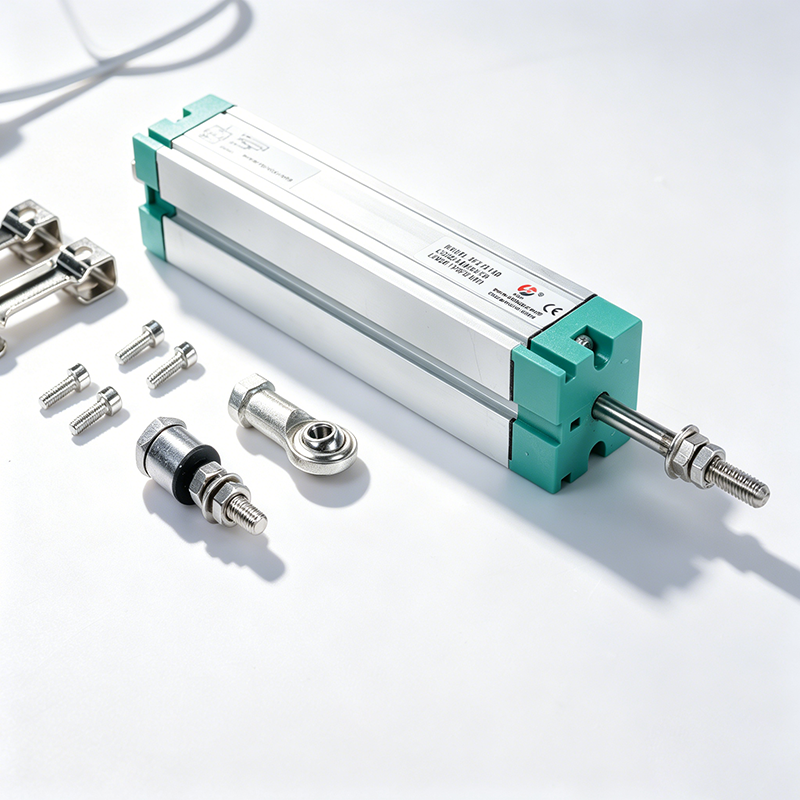
Application of Linear Displacement KTC Sensor in Line Pressing Machine
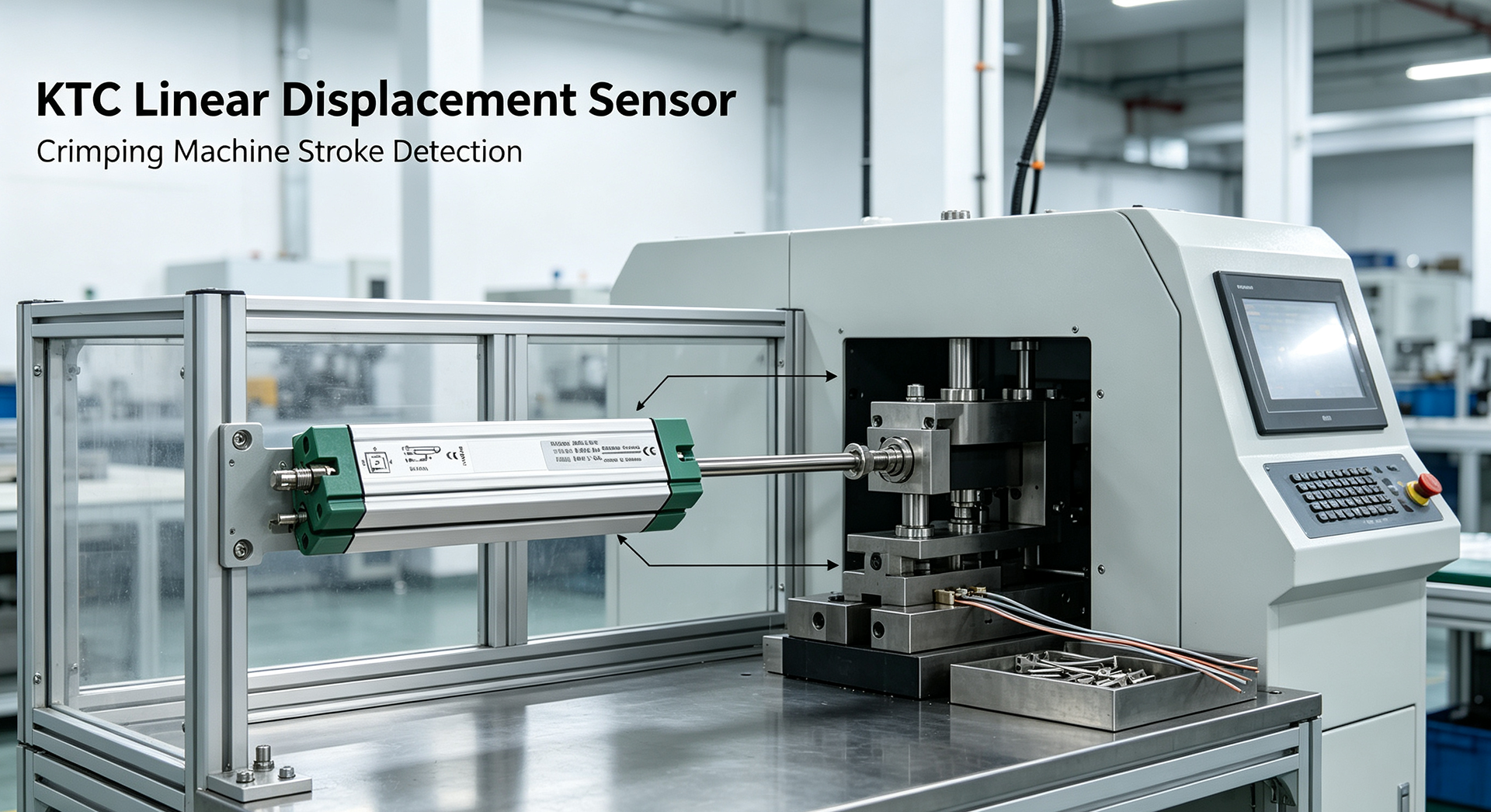
The linear displacement sensor KTC is mainly used in the line press to monitor the position and stroke of the pressure head in real time, achieve automation and precision of pressure control through high-precision feedback, and ensure processing quality.
The principle of resistive voltage division converts mechanical displacement into linear electrical signal output.
Position feedback: Real time measurement of the displacement of the pressure head relative to the reference plane to ensure consistent depth of the pressure line.
Closed loop control: Transmit displacement signals to PLC or controller, compare with set values, dynamically adjust hydraulic or servo systems, and prevent overvoltage or undervoltage.
Key points for installation and debugging
To ensure measurement accuracy in high vibration and high load environments of the wire press, the following precautions should be taken:
Alignment and parallelism: The sensor rod or measuring rod must be strictly parallel to the direction of motion of the measured object (pressure head) to avoid wear or measurement errors caused by lateral forces.
Anti interference processing: The crimping machine is often accompanied by motor frequency conversion interference, and shielded wires need to be used to connect the signal end, ensuring that the sensor housing is well grounded with the metal parts of the machine to eliminate static electricity and high-frequency interference.
Zero and range calibration: After installation, zero offset and full-scale output adjustment are required. For example, adjust the output to zero when there is no pressure, calibrate the full-scale voltage at the maximum stroke, and ensure linearity.
Maintenance and selection suggestions
Environmental protection: The working environment of the wire press machine is prone to oil stains. It is recommended to choose sensors with high protection levels (such as IP67 or above) and regularly check the aging of the sealing components to prevent oil and water from entering the interior and affecting the contact of the electric brush.
Stability check: If display data jumps, priority should be given to checking the stability of the power supply voltage (fluctuations should be less than ± 0.1%) and whether the insulation of the connecting wires is damaged