EN
EN


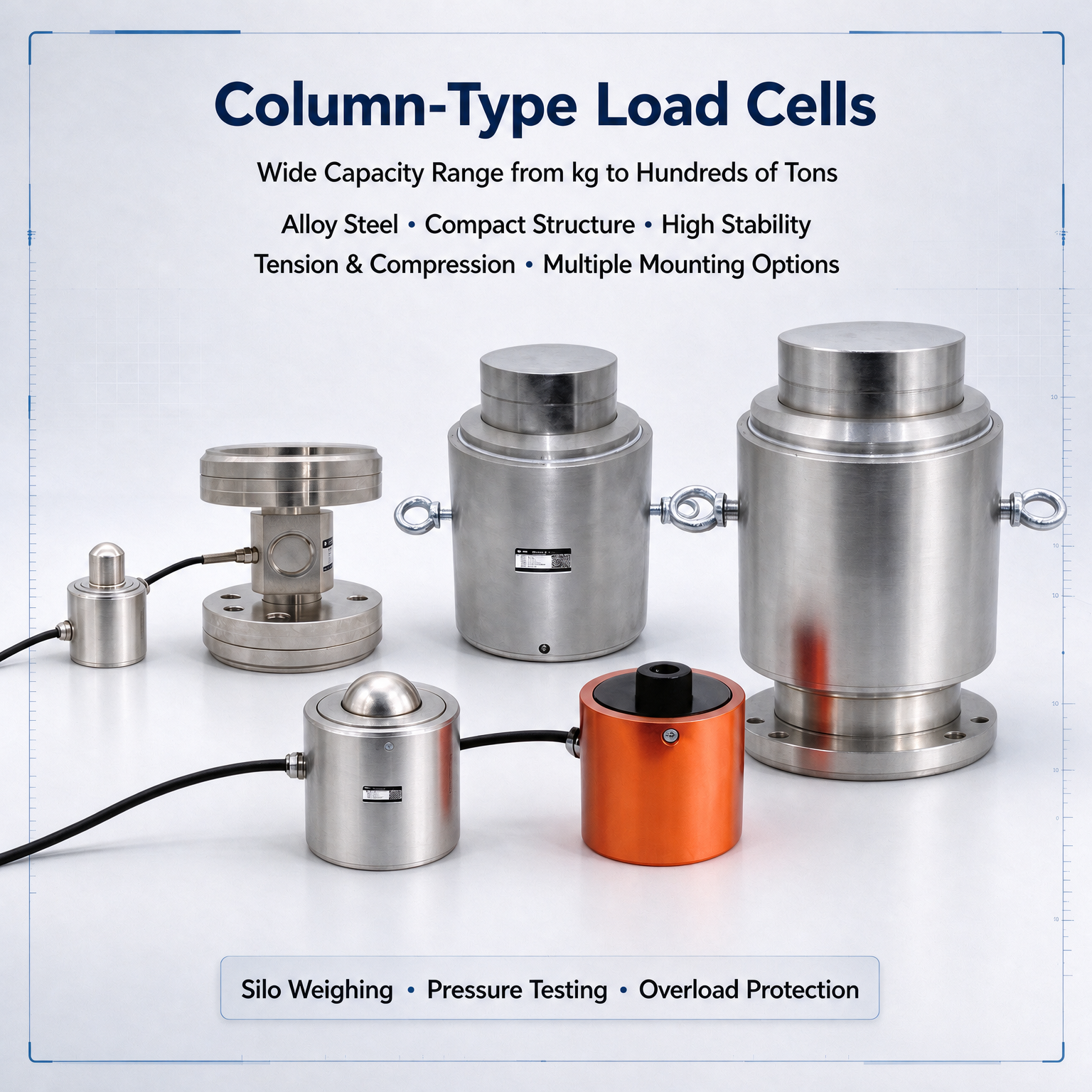
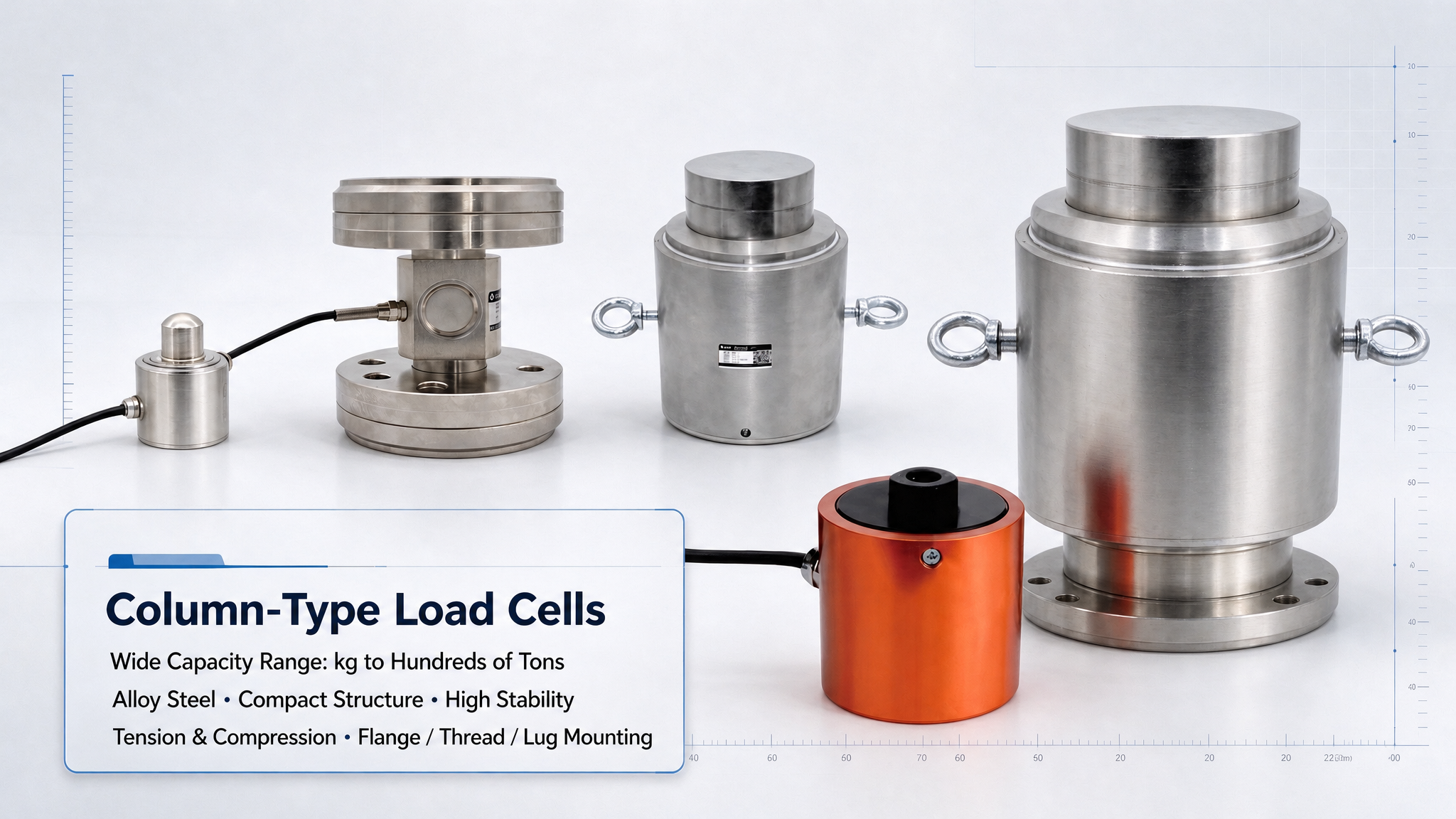
Column-type load cells are mainstream force-measuring components for industrial weighing and mechanical testing. This complete product portfolio covers miniature low-capacity cylindrical sensors, medium-capacity flange-mounted column sensors and heavy-duty high-capacity column transducers. The measuring range extends from several kilograms up to hundreds of tons, satisfying static and dynamic load acquisition requirements across diverse industries.
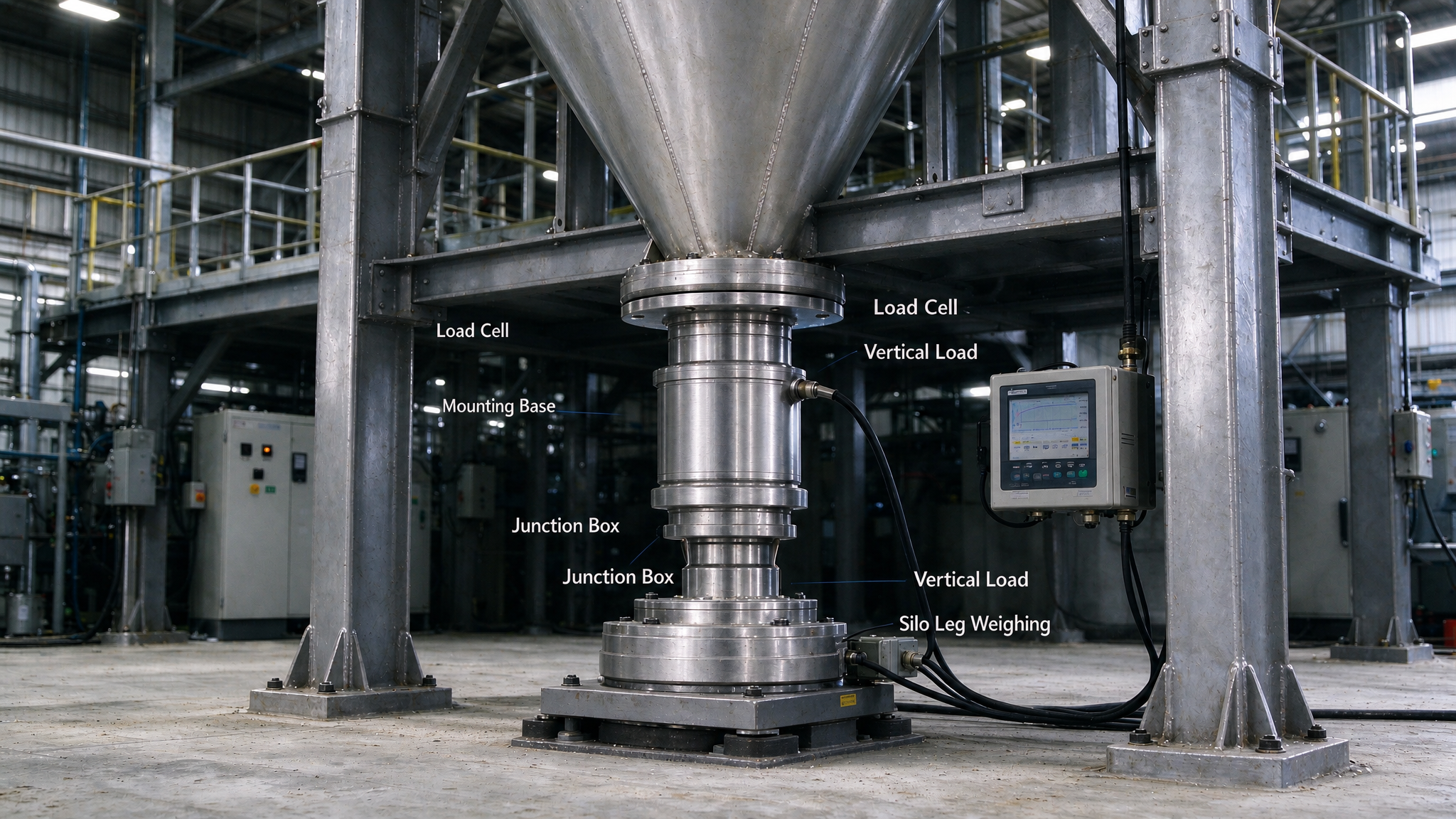
Main Application Scenarios:
Silos and hopper weighing, tank weighing systems, truck scales and rail scales, load acquisition for pressure-testing machines, hydraulic equipment force monitoring, compression-resistance testing for building materials, load monitoring in metallurgical production lines, static pile-loading tests, overload protection for hoisting machinery, mechanical-force testing in laboratories, force-monitoring for construction machinery.
In terms of technical features, the elastic bodies of column-type load cells are generally manufactured from high-grade alloy steel through heat treatment, strain-gauge bonding and sealing protection procedures. Featuring compact structure and high load-bearing capacity, these sensors deliver decent anti-eccentric-load performance. Some models adopt anti-corrosion surface plating to operate reliably in humid and dusty industrial environments. Most units are designed for axial compression measurement, while certain versions support both tension and compression measurement. The product lineup includes compact miniature cylindrical sensors for confined installation spaces, as well as variants with lifting lugs, flanges and spherical load buttons for heavy-duty installation.
When selecting a load cell, the first step is to confirm the proper measuring range. Take actual working load into full consideration and reserve a safety margin of 1.2-2.5 times against transient shock loads caused by material feeding and equipment vibration, so as to prevent overload failure.
Secondly, verify on-site installation conditions. Flange fastening, thread assembly, spherical pressure bearing and lifting-lug mounting each fit different tooling structures. If lateral force frequently occurs on-site, matching pressure accessories are recommended to reduce measurement interference. Confirm the protection rating according to ambient conditions; high-protection-grade models are preferred for humid and dusty locations.
During field operation, keep vertical loading as much as possible. Persistent lateral force will lead to measurement drift and may even damage the elastic body. Install limit and guide structures to minimize eccentric loading. Select the proper measuring range and mounting configuration according to practical working conditions. Give full play to column-type load cells’ advantages of stable performance and wide load range for industrial weighing and mechanical testing projects.