 EN
EN

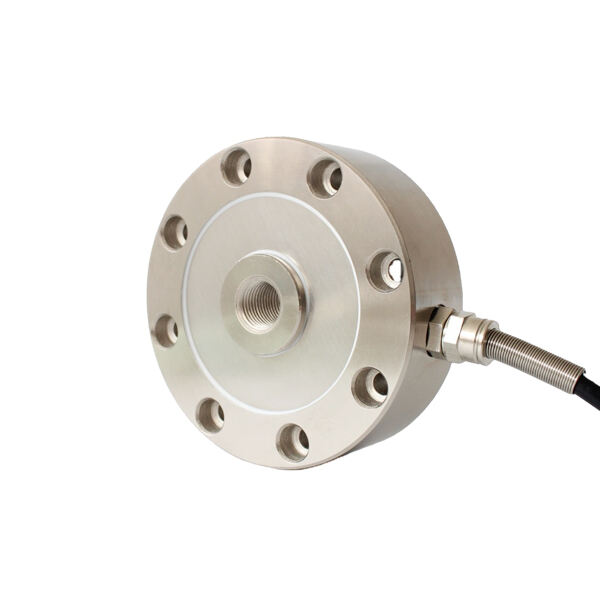
Outdoor load cell sensor applications face some of the harshest environmental conditions imaginable, from extreme temperature fluctuations to corrosive chemicals and mechanical stress. The durability of a load cell sensor in these demanding environments depends on multiple interconnected factors that determine whether the device will provide accurate measurements for years or fail prematurely. Understanding these critical durability factors enables engineers and procurement professionals to make informed decisions when selecting load cell sensor solutions for outdoor industrial applications.
Environmental protection represents the primary concern when evaluating load cell sensor durability for outdoor deployment. Industrial facilities, agricultural operations, and infrastructure monitoring systems rely heavily on these precision instruments to maintain operational safety and efficiency. The selection criteria must encompass not only immediate performance requirements but also long-term reliability under sustained environmental stress. Modern load cell sensor technology has evolved significantly to address these challenges through advanced materials, protective enclosures, and sophisticated sealing technologies.
Environmental Protection and Ingress Rating Standards
Understanding IP Rating Classifications
The Ingress Protection rating system provides the most widely recognized standard for evaluating environmental protection in load cell sensor applications. An IP68-rated load cell sensor offers the highest level of protection against both solid particles and water ingress, making it suitable for continuous submersion applications. The first digit indicates solid particle protection on a scale from 0 to 6, while the second digit represents water protection from 0 to 8. For outdoor applications, engineers typically specify a minimum IP67 rating, ensuring complete protection against dust ingress and temporary water immersion up to one meter depth.
Beyond basic IP ratings, specialized outdoor load cell sensor designs incorporate additional protective features such as cable strain relief, hermetic sealing, and corrosion-resistant materials. These enhanced protection measures become critical in marine environments, chemical processing facilities, and extreme weather conditions where standard protection levels may prove insufficient. The economic impact of sensor failure in these applications often justifies the additional investment in higher protection ratings and specialized materials.
Sealing Technology and Gasket Materials
Advanced sealing technology forms the foundation of durable load cell sensor construction for outdoor environments. High-performance elastomer seals, typically manufactured from fluorocarbon or silicone compounds, provide superior resistance to temperature extremes, ozone degradation, and chemical exposure. The selection of appropriate gasket materials directly influences long-term reliability, as deteriorated seals represent the most common failure mode in outdoor sensor applications.
Welded stainless steel construction eliminates traditional gasket failure points entirely by creating monolithic sealed enclosures. This approach, while more expensive, provides unmatched durability for critical applications where sensor failure carries significant safety or economic consequences. The load cell sensor manufacturing process must maintain precise tolerances to ensure proper seal compression and eliminate potential leak paths that could compromise long-term reliability.
Material Selection and Corrosion Resistance
Stainless Steel Grades and Properties
Material selection represents perhaps the most critical factor determining load cell sensor longevity in corrosive outdoor environments. Grade 316L stainless steel has emerged as the preferred construction material due to its excellent corrosion resistance, mechanical properties, and weldability characteristics. The low carbon content minimizes carbide precipitation, while the molybdenum addition enhances resistance to chloride-induced pitting and crevice corrosion common in marine and industrial environments.
Alternative materials such as Hastelloy, Inconel, and titanium alloys may be specified for extremely aggressive chemical environments where even premium stainless steel grades prove inadequate. These exotic materials command significantly higher costs but provide unmatched durability in applications involving strong acids, high-temperature oxidizing environments, or prolonged saltwater exposure. The material selection process must balance initial cost against lifecycle reliability requirements and replacement costs.
Surface Treatment and Protective Coatings
Surface treatment technologies can dramatically enhance the corrosion resistance of load cell sensor components beyond the base material properties. Electropolishing creates an ultra-smooth surface finish that eliminates microscopic crevices where corrosion typically initiates, while simultaneously enhancing the chromium oxide passive layer that provides stainless steel its corrosion resistance. This process becomes particularly valuable for load cell sensor applications in pharmaceutical, food processing, and biotechnology environments where both corrosion resistance and cleanability are essential.
Advanced coating technologies including physical vapor deposition, ceramic coatings, and fluoropolymer films provide additional protection layers for extreme environments. These coatings must be carefully selected to avoid interference with strain gauge operation while providing enhanced chemical resistance or reduced surface friction. The application process requires specialized facilities and quality control procedures to ensure uniform coverage and adhesion properties that will withstand mechanical stress and thermal cycling.
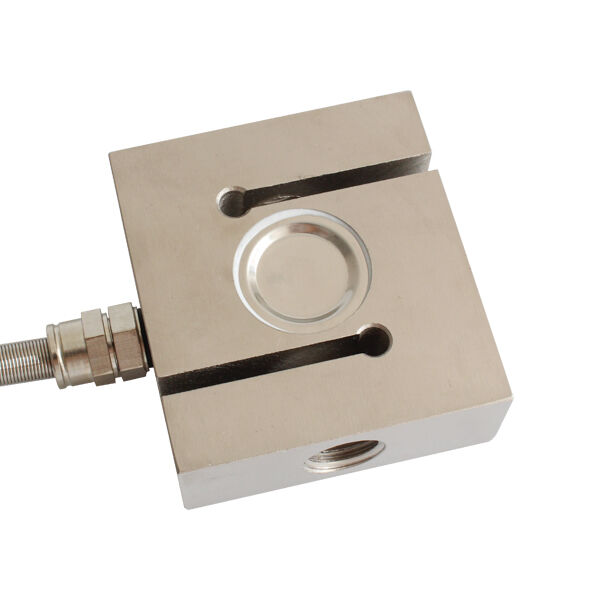
Mechanical Design Considerations
Strain Gauge Technology and Adhesive Systems
The strain gauge represents the heart of any load cell sensor system, converting mechanical deformation into electrical signals through changes in electrical resistance. Foil strain gauges, constructed from precision-etched metal foil patterns, offer superior stability and temperature compensation compared to wire-wound alternatives. The adhesive system bonding the strain gauge to the load cell sensor body must maintain its properties throughout the expected service life while withstanding temperature cycling, moisture exposure, and mechanical stress.
Advanced polyimide adhesive systems provide exceptional temperature stability and moisture resistance for outdoor load cell sensor applications. The curing process requires precise temperature and pressure control to achieve optimal bond strength and minimize residual stress that could affect measurement accuracy. Quality control procedures must verify proper adhesion throughout the strain gauge pattern to prevent localized failures that could compromise sensor performance or create measurement drift over time.
Overload Protection and Safety Factors
Mechanical overload protection becomes critical for outdoor load cell sensor applications where dynamic loading conditions or operational errors may exceed design specifications. Integrated overload stops, typically designed to engage at 150% of rated capacity, prevent permanent deformation of the sensing element while maintaining measurement accuracy within the normal operating range. The stop design must provide positive mechanical contact without introducing hysteresis or affecting normal operation.
Safety factor calculations for outdoor load cell sensor applications must account for dynamic loading effects, temperature-induced stress variations, and potential impact loads from equipment operation or environmental factors. Conservative safety factors, typically 3:1 or higher for critical applications, ensure reliable operation despite unexpected loading conditions. The mechanical design process must balance sensitivity requirements against overload capability to optimize performance across the full range of operating conditions.
Temperature Compensation and Thermal Stability
Thermal Effects on Measurement Accuracy
Temperature variations create multiple effects that can compromise load cell sensor accuracy in outdoor applications. Thermal expansion of the sensing element changes the baseline dimensions, while temperature-dependent material property variations affect both elastic modulus and strain gauge sensitivity. These effects combine to create both zero drift and span changes that must be compensated through careful design and calibration procedures.
Advanced temperature compensation techniques incorporate multiple strain gauges arranged in Wheatstone bridge configurations that provide inherent temperature cancellation. Dummy gauges mounted on unstressed portions of the load cell sensor body experience identical temperature effects while remaining insensitive to applied loads. This approach provides excellent temperature compensation across wide temperature ranges without requiring complex electronic correction circuits that could introduce additional failure modes.
Thermal Shock and Cycling Resistance
Thermal shock resistance becomes particularly important for load cell sensor applications in outdoor environments subject to rapid temperature changes. Solar heating can create surface temperatures exceeding 70°C, while nighttime radiative cooling or precipitation can cause rapid cooling to ambient levels. These thermal transients create internal stress concentrations that can lead to fatigue failures or measurement drift if not properly addressed in the design phase.
Material selection and geometric design optimization help minimize thermal stress concentrations in critical areas of the load cell sensor structure. Finite element analysis enables engineers to identify potential stress concentration points and modify the design to distribute thermal stresses more uniformly. The strain gauge mounting locations must be carefully selected to minimize exposure to thermal gradients while maintaining optimal sensitivity to applied loads.
Cable and Connection System Durability
Cable Construction and Environmental Protection
The cable system represents a common failure point in outdoor load cell sensor installations due to mechanical stress, environmental exposure, and connection degradation. High-flex cable constructions using stranded conductors with polyurethane or polyethylene jackets provide superior resistance to repeated flexing and environmental exposure compared to standard PVC jacketed cables. The cable entry point requires particular attention with strain relief boots and sealed glands to prevent moisture ingress.
Armored cable constructions incorporating steel wire braids or corrugated metal sheaths provide additional protection against mechanical damage from rodents, sharp objects, or crushing loads. The armor system must be properly grounded and terminated to prevent electrical interference while providing mechanical protection. Cable routing considerations should minimize exposure to sharp edges, moving equipment, and areas where mechanical damage might occur during normal operations.
Connector Technology and Corrosion Prevention
Electrical connections represent critical vulnerability points where corrosion can quickly compromise load cell sensor performance. Military-specification circular connectors with environmental seals provide superior reliability compared to standard industrial connectors, particularly in marine or chemical environments. The connector pin materials, typically gold-plated brass or stainless steel, must resist corrosion while maintaining low contact resistance throughout the service life.
Permanent cable connections using welded or soldered joints eliminate the corrosion risks associated with separable connectors but complicate maintenance and replacement procedures. The selection between permanent and separable connections must consider the specific application requirements, maintenance access limitations, and expected service intervals. Proper application of dielectric grease and environmental protection compounds can significantly extend connector life in harsh outdoor environments.
Installation and Mounting Considerations
Foundation Requirements and Load Path Design
Proper installation fundamentals significantly impact the long-term durability and performance of outdoor load cell sensor systems. The mounting foundation must provide stable support while allowing for thermal expansion and preventing the introduction of extraneous forces that could affect measurement accuracy. Concrete foundations require adequate curing time and proper reinforcement to prevent settling or cracking that could introduce measurement errors over time.
Load path design considerations ensure that forces are transmitted directly through the load cell sensor without creating side loads or moment forces that could cause premature failure. Spherical bearing assemblies or flexible mounting systems help accommodate minor misalignments while preventing the transmission of unwanted forces. The mounting hardware must provide adequate clamping force while avoiding over-tightening that could introduce stress concentrations in the load cell sensor body.
Environmental Shielding and Protective Enclosures
Additional environmental protection through protective enclosures can significantly extend load cell sensor service life in extreme outdoor conditions. Ventilated enclosures prevent moisture condensation while protecting against direct precipitation, wind-blown debris, and ultraviolet radiation exposure. The enclosure design must allow for thermal expansion while preventing the accumulation of moisture or contaminants that could affect sensor performance.
Heating systems for cold climate applications prevent ice formation that could mechanically damage the load cell sensor or interfere with proper operation. Thermostatically controlled heaters maintain temperatures above freezing while minimizing power consumption and avoiding excessive thermal stress. The heating system must be integrated with the load cell sensor mounting system to provide uniform temperature distribution without creating thermal gradients that could affect measurement accuracy.
FAQ
What is the minimum IP rating required for outdoor load cell sensor applications?
For most outdoor applications, a minimum IP67 rating is recommended to ensure complete protection against dust ingress and temporary water immersion. However, applications involving continuous submersion, high-pressure washdown, or marine environments typically require IP68 rating for maximum durability and reliability.
How does temperature affect load cell sensor accuracy and what compensation methods are available?
Temperature changes affect both zero balance and measurement span through thermal expansion and material property variations. Modern load cell sensor designs incorporate temperature compensation through Wheatstone bridge configurations with dummy gauges, while electronic systems may provide additional digital compensation for extreme temperature ranges.
What material grades provide the best corrosion resistance for marine load cell sensor applications?
Grade 316L stainless steel provides excellent corrosion resistance for most marine applications due to its low carbon content and molybdenum addition. For extremely corrosive environments, super-duplex stainless steels, Hastelloy, or titanium alloys may be specified despite their higher initial cost.
How can cable and connection failures be prevented in outdoor load cell sensor installations?
Cable failures can be minimized through proper cable selection with environmental-grade jackets, adequate strain relief at termination points, and protection against mechanical damage. Using sealed military-specification connectors or permanent welded connections eliminates many common failure modes associated with moisture ingress and corrosion.
Table of Contents
- Environmental Protection and Ingress Rating Standards
- Material Selection and Corrosion Resistance
- Mechanical Design Considerations
- Temperature Compensation and Thermal Stability
- Cable and Connection System Durability
- Installation and Mounting Considerations
-
FAQ
- What is the minimum IP rating required for outdoor load cell sensor applications?
- How does temperature affect load cell sensor accuracy and what compensation methods are available?
- What material grades provide the best corrosion resistance for marine load cell sensor applications?
- How can cable and connection failures be prevented in outdoor load cell sensor installations?