 EN
EN

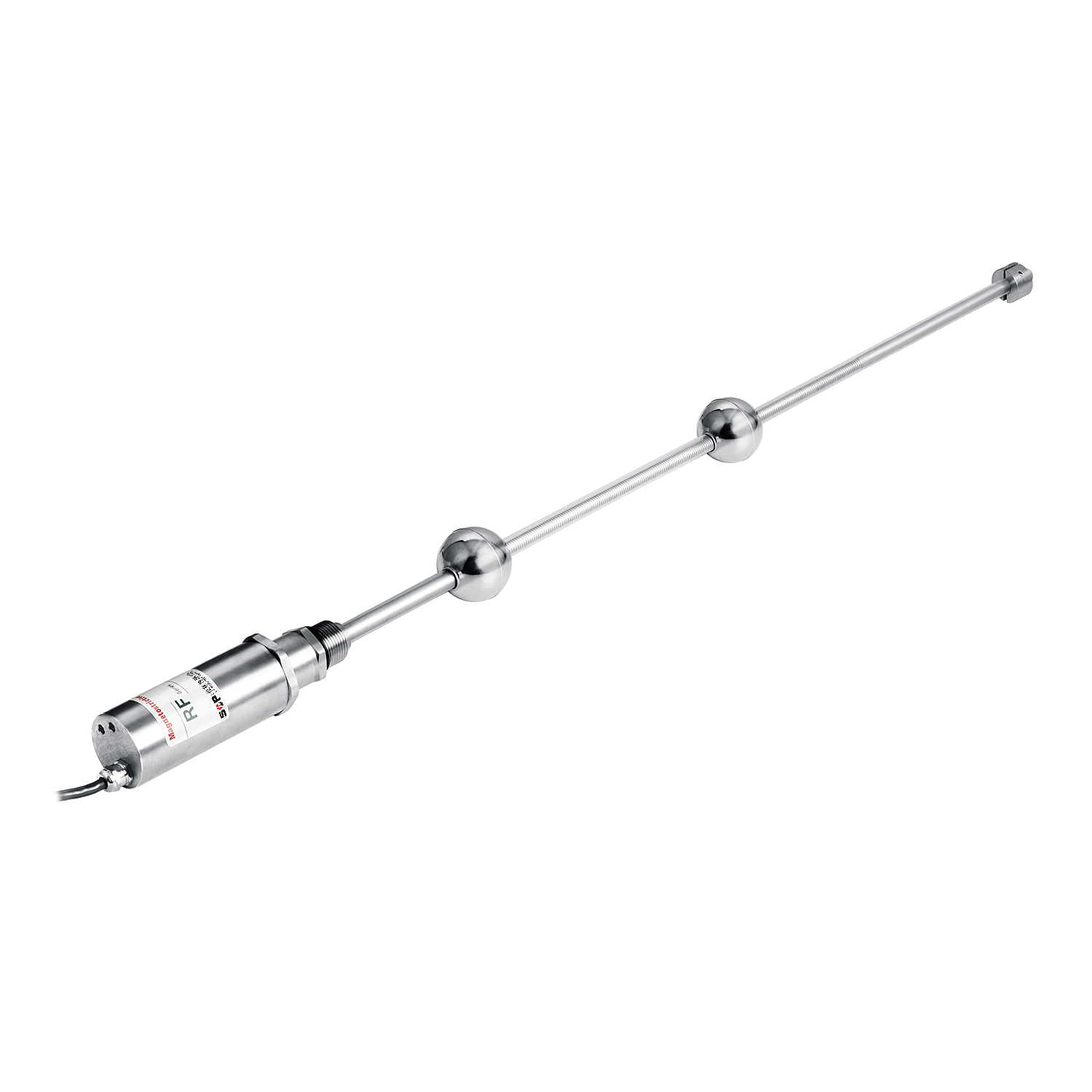
Manufacturing engineers are increasingly turning to advanced sensing technologies to enhance precision and efficiency in their assembly line operations. The adoption of linear displacement sensor systems has become a critical component in modern industrial automation, enabling real-time monitoring and control of mechanical movements with unprecedented accuracy. These sophisticated devices provide essential feedback that helps maintain quality standards while reducing operational costs and minimizing production errors across various manufacturing sectors.
The integration of linear displacement sensor technology into assembly line workflows represents a significant shift toward data-driven manufacturing processes. Engineers recognize that precise position measurement is fundamental to achieving consistent product quality and optimizing production throughput. As Industry 4.0 principles continue to reshape manufacturing landscapes, the demand for reliable sensor solutions has intensified, driving widespread adoption across automotive, electronics, aerospace, and consumer goods industries.
Understanding Linear Displacement Sensor Technology
Core Principles and Operating Mechanisms
A linear displacement sensor operates by converting mechanical motion into electrical signals that can be processed by control systems and monitoring equipment. These devices utilize various sensing principles, including potentiometric, magnetostrictive, and optical technologies, to deliver accurate position feedback across different measurement ranges. The fundamental operation involves tracking the linear movement of a target object and translating this physical displacement into proportional electrical output signals.
Modern linear displacement sensor designs incorporate advanced signal processing capabilities that enhance measurement resolution and reduce noise interference. The sensor's internal components work together to establish a reference point and continuously monitor deviations from this baseline position. This real-time feedback enables manufacturing systems to make immediate adjustments, ensuring that assembly processes remain within specified tolerances throughout production cycles.
Types and Configuration Options
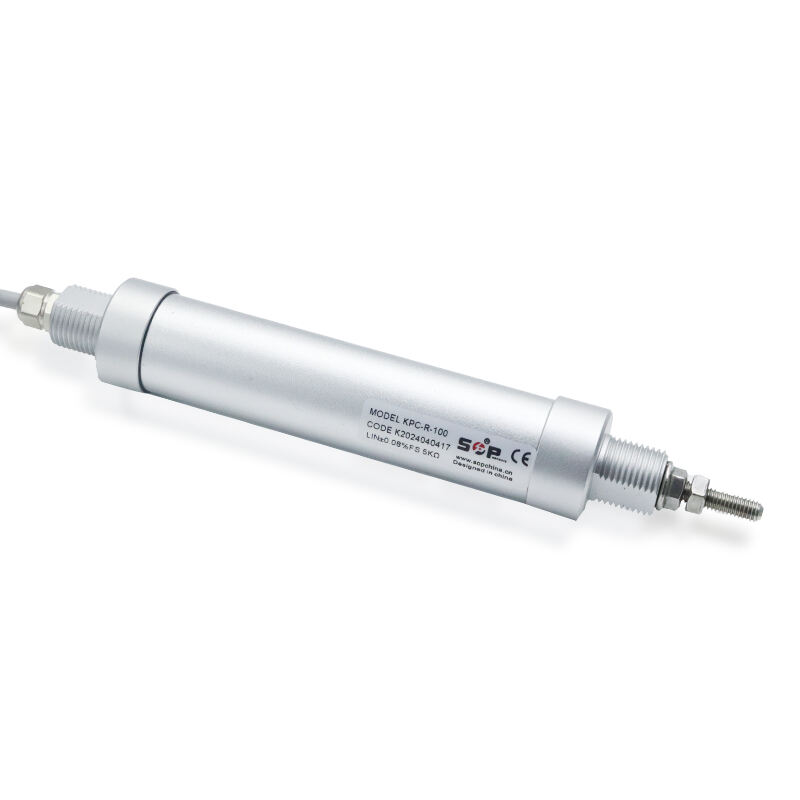
Manufacturing engineers can choose from several linear displacement sensor configurations depending on their specific application requirements. Contact-type sensors feature direct mechanical connection to the measured object, providing robust performance in harsh industrial environments. Non-contact alternatives utilize magnetic or optical sensing methods, offering advantages in applications where physical contact might interfere with the manufacturing process or cause component wear.
The selection of an appropriate linear displacement sensor often depends on factors such as measurement range, resolution requirements, environmental conditions, and installation constraints. Engineers must evaluate these parameters carefully to ensure optimal sensor performance within their assembly line configurations. Advanced sensor models incorporate programmable features that allow customization of output characteristics and integration with existing control architectures.
Benefits for Assembly Line Applications
Enhanced Quality Control and Process Monitoring
Implementation of linear displacement sensor systems significantly improves quality control capabilities within assembly line environments. These sensors provide continuous monitoring of critical dimensions and positions, enabling immediate detection of deviations that could compromise product quality. Real-time feedback allows operators and automated systems to implement corrective actions before defective products progress through subsequent manufacturing stages.
The precision offered by modern linear displacement sensor technology enables manufacturers to maintain tighter tolerances than traditional measurement methods. This enhanced accuracy translates directly into improved product consistency and reduced rejection rates. Statistical process control systems can leverage sensor data to identify trends and patterns that indicate potential issues before they result in significant quality problems or production disruptions.
Improved Operational Efficiency and Productivity
Manufacturing engineers recognize that linear displacement sensor integration leads to substantial improvements in operational efficiency and overall productivity metrics. Automated position feedback eliminates the need for manual measurements and reduces cycle times associated with quality inspection procedures. This automation allows assembly lines to operate at higher speeds while maintaining consistent output quality.
The implementation of sensor-based monitoring systems reduces downtime by enabling predictive maintenance strategies and early problem detection. When assembly line components begin to exhibit wear or misalignment, linear displacement sensor data provides early warning signals that allow maintenance teams to schedule interventions during planned downtime periods. This proactive approach minimizes unexpected equipment failures and their associated production losses.
Integration Strategies and Implementation Considerations
System Architecture and Connectivity
Successful integration of linear displacement sensor technology requires careful consideration of system architecture and communication protocols. Modern sensors support various industrial communication standards, including analog voltage outputs, digital protocols, and fieldbus networks that facilitate seamless integration with existing control systems. Engineers must evaluate compatibility requirements and select sensor models that align with their current automation infrastructure.
The physical installation of linear displacement sensor systems demands attention to mounting considerations, cable routing, and environmental protection measures. Proper sensor placement ensures accurate measurements while minimizing interference from vibration, electromagnetic noise, and temperature fluctuations commonly present in manufacturing environments. Robust installation practices contribute significantly to long-term sensor reliability and measurement accuracy.
Calibration and Maintenance Requirements
Maintaining optimal performance from linear displacement sensor installations requires establishing comprehensive calibration and maintenance protocols. Initial calibration procedures establish baseline measurements and verify sensor accuracy across the entire operating range. Regular calibration checks ensure continued precision and help identify potential drift or degradation in sensor performance before significant measurement errors occur.
Preventive maintenance programs for linear displacement sensor systems typically focus on cleaning procedures, connection integrity verification, and environmental condition monitoring. These routine activities help extend sensor service life and maintain measurement reliability throughout the operational lifecycle. Documentation of calibration results and maintenance activities provides valuable data for troubleshooting and performance optimization efforts.
Industry Applications and Case Studies
Automotive Manufacturing Implementation
Automotive manufacturers have widely adopted linear displacement sensor technology to enhance precision in critical assembly operations. Engine manufacturing processes utilize these sensors to monitor piston positioning, valve timing adjustments, and component alignment during assembly procedures. The automotive industry's stringent quality requirements make linear displacement sensor feedback essential for maintaining consistent product performance and safety standards.
Body panel alignment and welding operations represent another significant application area where linear displacement sensor systems deliver measurable benefits. These sensors provide real-time feedback during automated welding processes, ensuring proper joint alignment and consistent weld quality across production runs. The ability to detect and correct positioning errors immediately prevents costly rework and improves overall manufacturing efficiency.
Electronics and Precision Assembly
Electronics manufacturing operations rely heavily on linear displacement sensor technology to achieve the precise positioning required for component placement and assembly procedures. Surface-mount technology production lines utilize sensors to verify component placement accuracy and ensure proper alignment during soldering processes. The miniaturization trends in electronics manufacturing demand increasingly precise positioning capabilities that linear displacement sensor systems can reliably provide.
Semiconductor fabrication facilities employ sophisticated linear displacement sensor arrays to monitor wafer positioning and track movement throughout various processing stages. These applications require exceptional accuracy and stability, characteristics that modern sensor designs are specifically engineered to deliver. The harsh chemical environments typical in semiconductor processing also necessitate specialized sensor configurations with appropriate chemical resistance and sealing properties.
Future Trends and Technological Developments
Smart Sensor Integration and IoT Connectivity
The evolution of linear displacement sensor technology continues to embrace smart sensor concepts that incorporate advanced processing capabilities and enhanced connectivity features. Next-generation sensors integrate microprocessors that enable local data processing, diagnostic capabilities, and predictive analytics functions. These intelligent devices can perform self-calibration routines and provide detailed status information to maintenance management systems.
Internet of Things connectivity enables linear displacement sensor systems to participate in broader manufacturing data ecosystems. Cloud-based analytics platforms can process sensor data alongside other production metrics to identify optimization opportunities and predict maintenance requirements. This interconnected approach supports the development of truly autonomous manufacturing systems that can adapt to changing conditions and optimize performance continuously.
Enhanced Accuracy and Miniaturization
Ongoing technological advancements continue to improve linear displacement sensor accuracy while reducing overall device size and installation footprint. Advanced signal processing algorithms and improved sensing element designs contribute to enhanced resolution and reduced measurement uncertainty. These improvements enable applications in increasingly demanding environments where space constraints and precision requirements present significant challenges.
Materials science innovations are driving the development of more robust linear displacement sensor components that can withstand extreme operating conditions without compromising measurement performance. New sensing principles and construction techniques promise to extend the operational range and environmental tolerance of future sensor designs. These developments will expand the applicability of linear displacement sensor technology into previously challenging industrial applications.
FAQ
What accuracy levels can be achieved with modern linear displacement sensors
Modern linear displacement sensor systems can achieve accuracy levels ranging from micrometers to sub-micrometer resolution, depending on the specific technology and application requirements. High-end sensors utilizing advanced sensing principles can provide repeatability within 0.01% of full scale or better, making them suitable for precision manufacturing applications where tight tolerances are critical for product quality and performance.
How do environmental conditions affect linear displacement sensor performance
Environmental factors such as temperature variations, humidity, vibration, and electromagnetic interference can influence linear displacement sensor accuracy and reliability. Most industrial-grade sensors incorporate compensation mechanisms and robust construction to minimize these effects. Proper installation practices, including appropriate shielding and environmental protection, help ensure consistent performance across varying operating conditions typical in manufacturing environments.
What maintenance requirements are associated with linear displacement sensor systems
Linear displacement sensor maintenance requirements vary depending on the sensor type and operating environment, but generally involve regular cleaning of sensing elements, verification of electrical connections, and periodic calibration checks. Contact-type sensors may require more frequent inspection of mechanical components, while non-contact alternatives typically need less maintenance. Establishing a preventive maintenance schedule helps ensure long-term reliability and measurement accuracy.
How do linear displacement sensors integrate with existing manufacturing control systems
Linear displacement sensor integration depends on the communication protocols and output formats supported by both the sensor and control system. Most modern sensors offer multiple output options, including analog voltage signals, digital communication protocols, and industrial fieldbus connectivity. Proper integration requires matching communication standards and configuring control system software to interpret and utilize sensor feedback effectively within existing automation architectures.
Table of Contents
- Understanding Linear Displacement Sensor Technology
- Benefits for Assembly Line Applications
- Integration Strategies and Implementation Considerations
- Industry Applications and Case Studies
- Future Trends and Technological Developments
-
FAQ
- What accuracy levels can be achieved with modern linear displacement sensors
- How do environmental conditions affect linear displacement sensor performance
- What maintenance requirements are associated with linear displacement sensor systems
- How do linear displacement sensors integrate with existing manufacturing control systems