 EN
EN

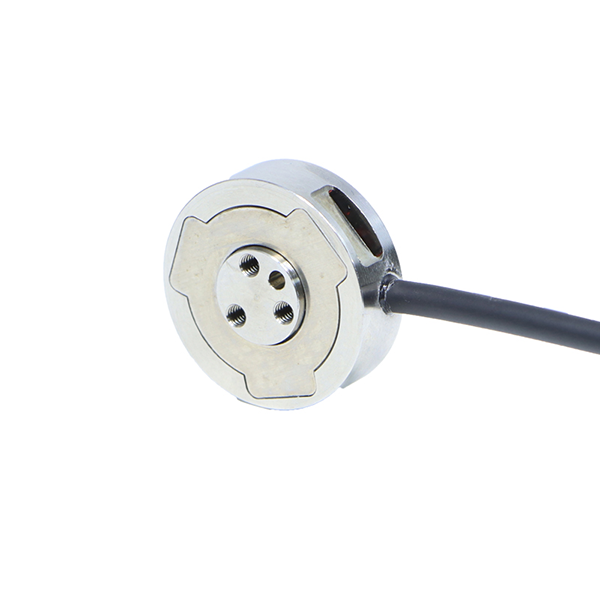
Hey, in the fast-paced world of modern engineering and materials science, there's always a push for more accuracy and better performance. One really cool innovation that's been making waves is the multi-component load cell. Honestly, this tiny device is changing the game when it comes to measuring force, torque, and other important parameters in various industries.
So, what exactly is a multi-component load cell?
Well, unlike your standard load cells that only measure force along one single axis, these multi-component versions can handle forces in multiple directions at the same time. They can sense the components of force and torque along the X, Y, and Z axes. This means designers and engineers get a much fuller picture of what's happening — which is especially handy when dealing with complex systems or tricky applications.
Where are these load cells used, and what are the perks?
Multi-component load cells are super versatile—they’re used in lots of fields such as:
1. Automotive testing — think crash tests, brake performance, and suspension design.
2. Aerospace — they're essential for flight simulations, wind tunnel tests, and checking stress on aircraft parts.
3. Robotics — helping to fine-tune robotic movements and make sure delicate tasks are handled with precision.
4. Industrial manufacturing — used to monitor processes, assure quality, and test materials, all to keep products safe and reliable.
What’s so great about using these load cells? First off, they give you more precise and detailed data — which helps design better products and boosts safety. Plus, they can actually save money because you don’t need a ton of different sensors, and setups become much simpler for complicated measurements.
Picking the right load cell
When it’s time to choose one, you gotta think about stuff like how much weight it needs to handle, the environment it’ll be used in, and what your specific needs are. Things like temperature, humidity, and exposure to corrosives all matter if you want your load cell to last and work reliably.
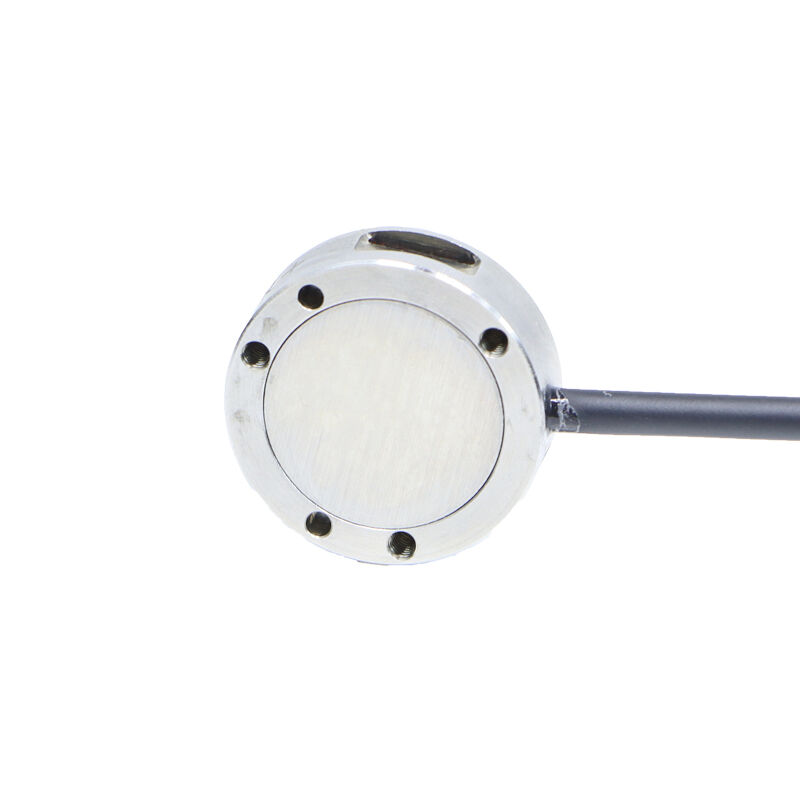
All in all, multi-component load cells are a pretty big step forward in measurement tech. Their ability to give precise, multi-directional data opens up tons of new possibilities across various industries. As technology keeps advancing, you can bet we’ll see these sensors become even more integrated and essential in engineering, manufacturing, and beyond. Embracing these load cells isn’t just about getting better data — it’s about pushing innovation, making things safer, and improving efficiency everywhere they’re used.