 EN
EN

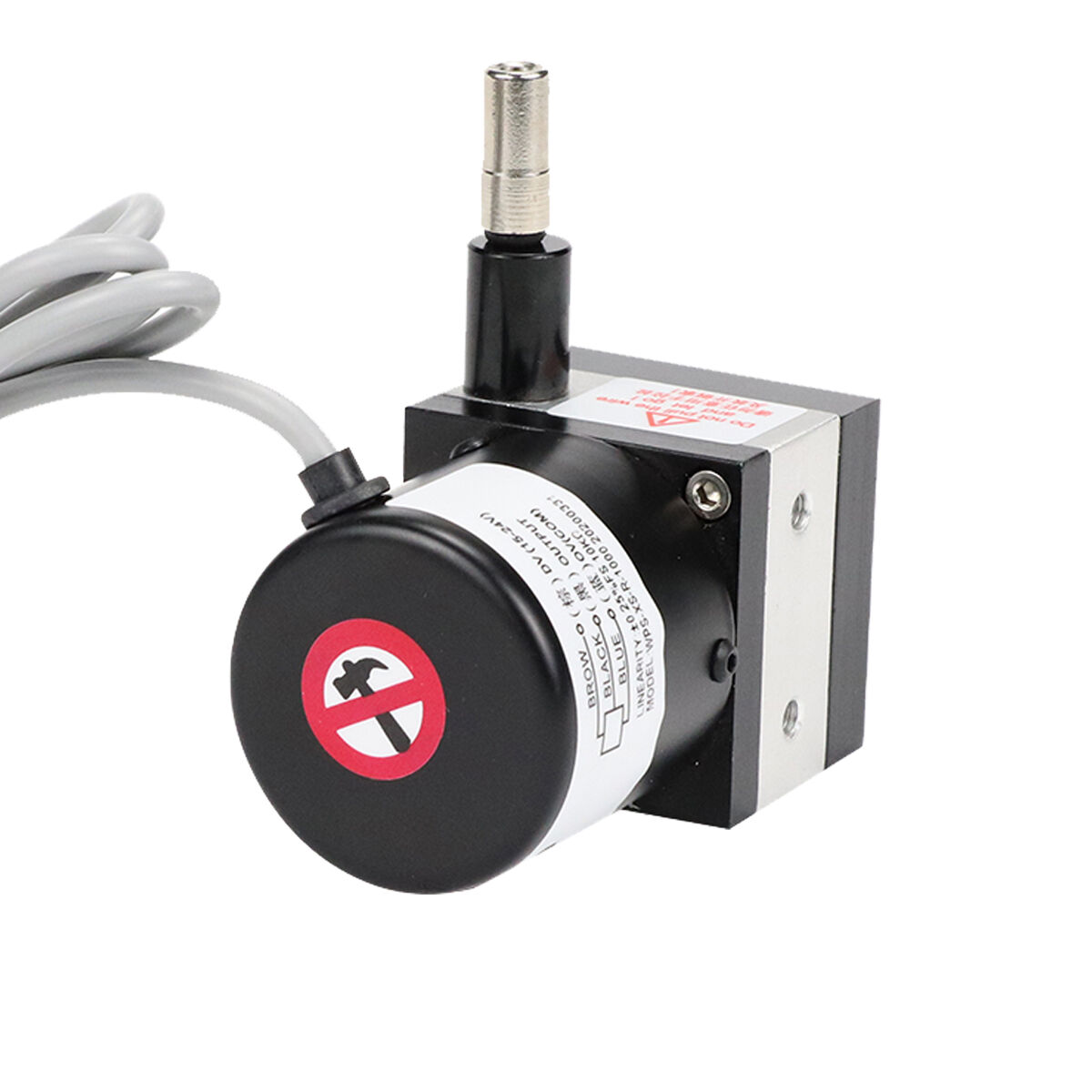
Industrial automation systems operating in harsh environments demand precise position measurement solutions that can withstand extreme conditions while maintaining exceptional accuracy. A draw wire sensor represents one of the most reliable technologies for position feedback applications where durability and precision are paramount. These sophisticated devices combine mechanical simplicity with advanced electronic sensing to deliver consistent performance across diverse industrial sectors, from heavy machinery to aerospace applications. Understanding how draw wire sensor technology operates and why it excels in challenging environments provides valuable insight for engineers and system designers seeking optimal position measurement solutions.
Fundamental Principles of Draw Wire Sensor Technology
Mechanical Design and Operating Mechanism
The draw wire sensor operates through a remarkably straightforward yet effective mechanical principle that converts linear displacement into rotational motion. At its core, the system consists of a precision cable or wire wound around a spring-loaded drum assembly housed within a protective enclosure. When external forces extend or retract the cable, the drum rotates proportionally to the linear movement, creating a direct mechanical relationship between displacement and rotational angle. This mechanical coupling eliminates many sources of measurement error common in other position sensing technologies.
The spring mechanism within the draw wire sensor maintains constant tension on the cable throughout its operational range, ensuring consistent contact and eliminating backlash that could compromise measurement accuracy. Advanced models incorporate dual-spring systems or pneumatic tensioning mechanisms to provide even greater precision and reliability. The cable itself is typically constructed from high-strength stainless steel or specialized polymer materials engineered to resist corrosion, abrasion, and fatigue over millions of operational cycles.
Electronic Signal Processing and Output Generation
Modern draw wire sensor designs integrate sophisticated electronic components that convert mechanical rotation into precise electrical signals suitable for industrial control systems. Rotary encoders, potentiometers, or resolver assemblies attached to the drum shaft generate proportional electrical outputs corresponding to cable extension. These electronic elements are carefully calibrated during manufacturing to ensure linearity and repeatability across the sensor's full measurement range.
The signal processing electronics within advanced draw wire sensor models provide multiple output formats including analog voltage, current loop, digital pulse trains, or fieldbus communication protocols. Onboard microprocessors enable sophisticated features such as temperature compensation, linearization algorithms, and diagnostic capabilities that enhance measurement accuracy and system reliability. These intelligent features allow the draw wire sensor to automatically adjust its output characteristics based on environmental conditions or operational parameters.
Environmental Resilience and Protection Features
Robust Housing Design for Extreme Conditions
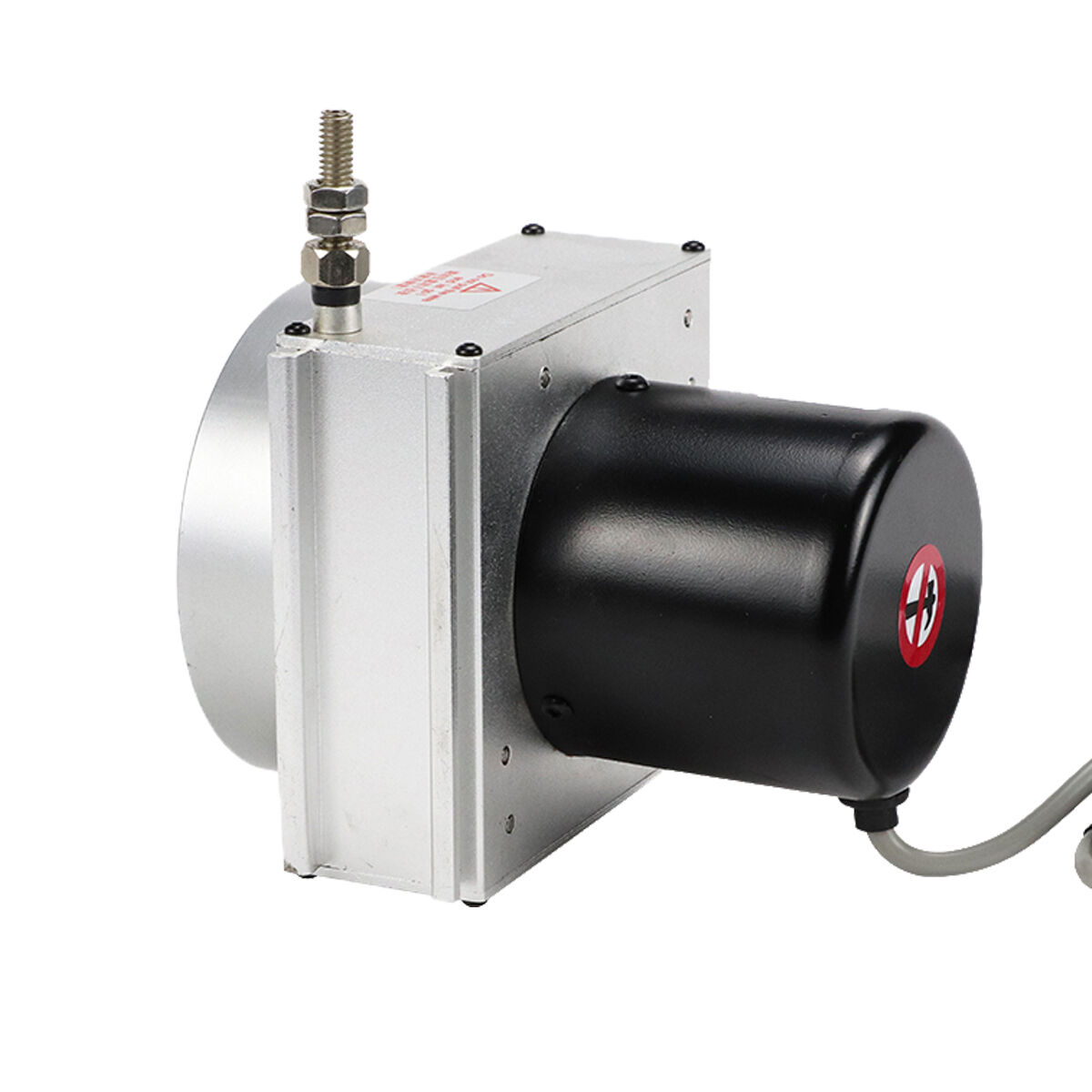
The exceptional performance of draw wire sensor technology in rugged environments stems from meticulous attention to protective housing design and material selection. Industrial-grade enclosures are typically fabricated from anodized aluminum, stainless steel, or specialized polymer composites that resist corrosion, impact damage, and thermal cycling. These housings incorporate multiple sealing systems including O-rings, gaskets, and labyrinth seals to achieve ingress protection ratings of IP65, IP67, or even IP68 for underwater applications.
Cable entry points represent critical areas for environmental protection in any draw wire sensor design. Manufacturers employ specialized cable glands, strain reliefs, and sealing systems that accommodate cable movement while maintaining environmental integrity. Advanced designs incorporate rotating cable guides or sealed bearing assemblies that allow unrestricted cable motion without compromising the internal environment of the sensor housing.
Temperature and Vibration Resistance
Industrial environments often subject measurement equipment to extreme temperature variations, mechanical vibration, and shock loads that can severely impact sensor performance. Draw wire sensor manufacturers address these challenges through careful component selection and thermal management strategies. Internal electronics are specified for extended temperature ranges, typically from negative forty to positive eighty degrees Celsius, while mechanical components are designed to maintain precision across even broader thermal ranges.
Vibration resistance in draw wire sensor applications is achieved through robust mechanical design and strategic component mounting techniques. Anti-vibration mounts, shock absorbers, and flexible coupling systems isolate sensitive electronic components from external mechanical disturbances. The inherently stable mechanical design of the draw wire sensor, with its low-mass moving parts and balanced drum assembly, naturally resists the effects of vibration and shock that could disrupt measurement accuracy in other sensing technologies.
Accuracy and Precision Characteristics
Linearity and Resolution Performance
The accuracy capabilities of modern draw wire sensor designs are truly remarkable, with many models achieving linearity specifications better than 0.1 percent of full scale and resolution capabilities exceeding 0.01 millimeters over measurement ranges spanning several meters. This exceptional precision results from the direct mechanical coupling between cable extension and drum rotation, eliminating many intermediate conversion stages that introduce cumulative errors in alternative measurement technologies.
Resolution performance in draw wire sensor applications is primarily determined by the electronic encoder or potentiometer assembly coupled to the drum mechanism. High-resolution rotary encoders can provide millions of counts per revolution, enabling incredibly fine position discrimination even over extended measurement ranges. This combination of mechanical precision and electronic resolution makes the draw wire sensor ideal for applications requiring both long-range measurement capability and exceptional accuracy.
Repeatability and Long-term Stability
Repeatability represents a critical performance parameter for position measurement systems, particularly in automated manufacturing and quality control applications. Draw wire sensor technology excels in this area due to its mechanical simplicity and minimal wear characteristics. The cable and drum assembly, when properly designed and manufactured, exhibits virtually no hysteresis or mechanical play that could compromise measurement repeatability over millions of operational cycles.
Long-term stability in draw wire sensor performance is maintained through careful attention to material selection, lubrication systems, and environmental sealing. Premium cable materials resist stretching and fatigue, while precision bearings and drum assemblies maintain their dimensional accuracy over extended service life. Advanced models incorporate self-diagnostic capabilities that monitor system performance and alert operators to potential maintenance requirements before accuracy degradation occurs.
Application Versatility and Integration Benefits
Industrial Automation and Machinery Integration
The versatility of draw wire sensor technology makes it suitable for an extraordinarily wide range of industrial automation applications. Manufacturing equipment, material handling systems, and process machinery all benefit from the reliable position feedback that these sensors provide. The direct mechanical coupling between the measured object and the sensor eliminates complex mounting arrangements or intermediate mechanical linkages that could introduce measurement errors or maintenance complications.
Integration of draw wire sensor systems into existing machinery is typically straightforward, requiring only a secure mounting point for the sensor housing and a cable attachment point on the moving component. This simplicity of installation reduces system complexity and minimizes potential failure modes compared to more elaborate measurement systems. The compact design of modern draw wire sensor units allows integration into space-constrained applications where other measurement technologies would be impractical.
Mobile and Vehicle Applications
Mobile equipment and vehicle applications present unique challenges for position measurement systems, including constant vibration, temperature cycling, and exposure to contamination. Draw wire sensor technology addresses these challenges effectively through its robust mechanical design and comprehensive environmental protection features. Construction equipment, agricultural machinery, and transportation systems all utilize draw wire sensor technology for critical position feedback applications.
The ability of draw wire sensor systems to maintain accuracy while accommodating large displacement ranges makes them particularly valuable in mobile applications. Hydraulic cylinder position monitoring, boom positioning, and load monitoring systems all benefit from the combination of measurement range, accuracy, and environmental resilience that draw wire sensor technology provides. Advanced models with wireless communication capabilities eliminate cable routing challenges in mobile applications while maintaining measurement precision.
Maintenance and Service Considerations
Preventive Maintenance Requirements
The maintenance requirements for draw wire sensor installations are generally minimal compared to alternative position measurement technologies, contributing significantly to their total cost of ownership advantages. Regular inspection of cable condition, housing integrity, and electrical connections typically represents the extent of routine maintenance activities. The sealed design of quality draw wire sensor units protects internal components from contamination and moisture, eliminating the need for frequent internal cleaning or lubrication.
Cable inspection procedures should focus on identifying signs of wear, fraying, or corrosion that could affect measurement accuracy or lead to premature failure. Quality draw wire sensor designs incorporate cable guides and protective sleeves that minimize wear at critical points, extending cable service life significantly. Replacement cables are typically available as field-serviceable components, allowing maintenance personnel to restore sensor performance without replacing the entire unit.
Troubleshooting and Diagnostic Capabilities
Modern draw wire sensor designs incorporate advanced diagnostic features that simplify troubleshooting and reduce maintenance time requirements. Self-test capabilities, signal monitoring functions, and communication diagnostics help maintenance personnel quickly identify and resolve performance issues. These intelligent features can detect problems such as cable damage, electronic component degradation, or environmental seal failures before they result in measurement errors or system downtime.
Diagnostic information from advanced draw wire sensor models can be integrated into plant-wide monitoring systems, enabling predictive maintenance strategies that optimize equipment availability and reduce maintenance costs. Historical performance data, trend analysis, and alarm generation capabilities provide maintenance personnel with the information needed to schedule service activities efficiently and minimize unplanned downtime.
FAQ
What measurement ranges are available with draw wire sensor technology
Draw wire sensor systems are available in measurement ranges from as small as 25 millimeters up to 50 meters or more, depending on the specific model and application requirements. The measurement range is primarily limited by cable length and drum diameter, with longer ranges requiring larger housing sizes to accommodate the additional cable volume. Custom ranges can often be provided by manufacturers to meet specific application needs.
How does cable tension affect measurement accuracy in draw wire sensor applications
Cable tension is carefully controlled in quality draw wire sensor designs through spring-loaded mechanisms that maintain consistent force throughout the measurement range. Proper tension ensures accurate tracking of the measured object while preventing cable slack that could introduce measurement errors. Most sensors include adjustable tension settings to accommodate different application requirements and load conditions.
Can draw wire sensor systems operate in hazardous or explosive environments
Specialized draw wire sensor models are available with intrinsically safe designs and explosion-proof enclosures suitable for hazardous area applications. These units meet relevant safety standards and certifications for use in environments containing flammable gases, vapors, or combustible dust. Proper installation and maintenance procedures must be followed to maintain safety certifications in these critical applications.
What output signal types are compatible with draw wire sensor technology
Modern draw wire sensor designs support a wide variety of output signal formats including 4-20mA current loops, 0-10V analog voltage, digital pulse trains, RS485 serial communication, and various fieldbus protocols such as Profibus, DeviceNet, or Ethernet-based systems. Many models provide multiple simultaneous outputs or user-selectable output configurations to accommodate different control system requirements without additional signal conditioning equipment.
Table of Contents
- Fundamental Principles of Draw Wire Sensor Technology
- Environmental Resilience and Protection Features
- Accuracy and Precision Characteristics
- Application Versatility and Integration Benefits
- Maintenance and Service Considerations
-
FAQ
- What measurement ranges are available with draw wire sensor technology
- How does cable tension affect measurement accuracy in draw wire sensor applications
- Can draw wire sensor systems operate in hazardous or explosive environments
- What output signal types are compatible with draw wire sensor technology