 EN
EN

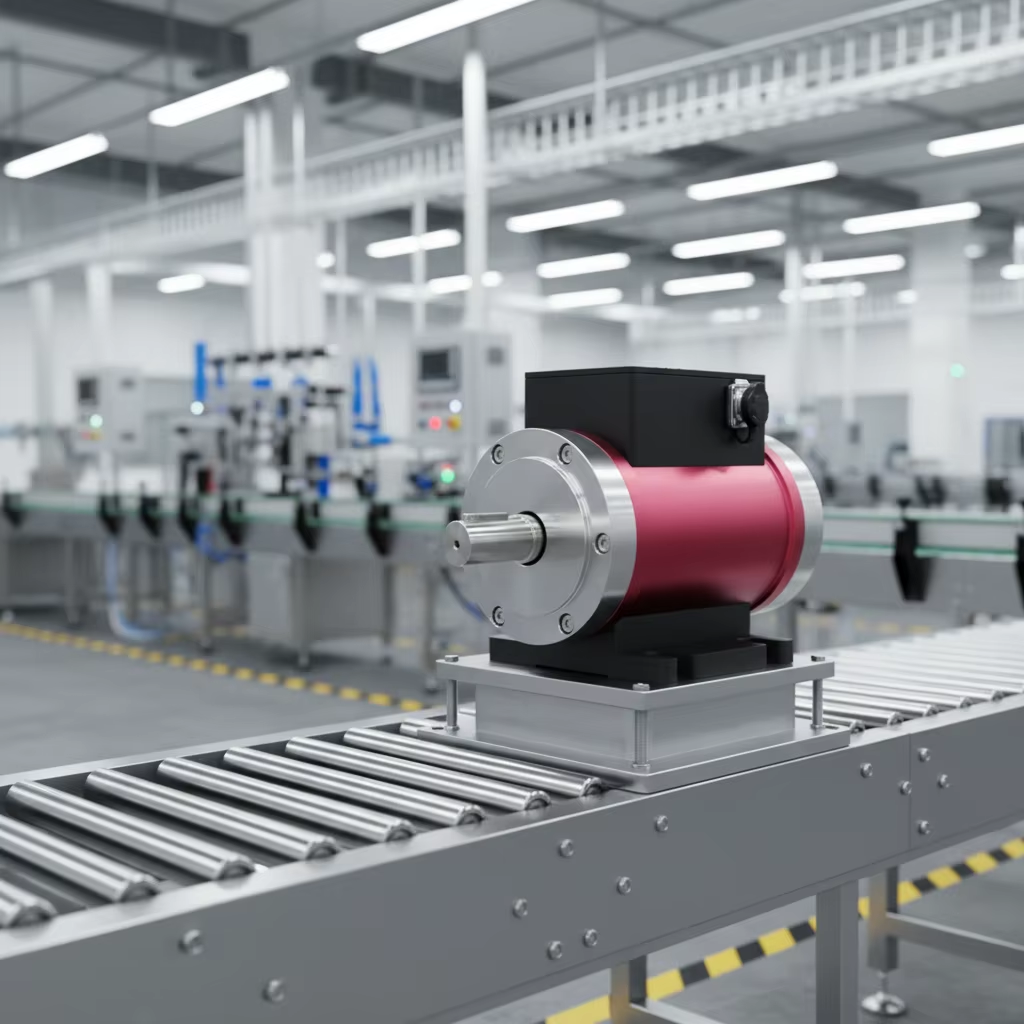
Understanding torque sensor output signals is fundamental for engineers and technicians working with precision measurement systems across industrial applications. Torque sensors convert mechanical torque into electrical signals that can be measured, recorded, and analyzed to monitor rotational forces in real-time. The output characteristics of these sophisticated devices determine their compatibility with various control systems and data acquisition equipment. Modern torque sensor output signals come in multiple formats, each designed to meet specific application requirements ranging from simple monitoring to complex automated control systems.
Analog Output Signal Types
Voltage Output Characteristics
Voltage-based torque sensor output signals represent one of the most common analog formats used in industrial torque measurement applications. These signals typically range from 0-10V or ±10V, providing a linear relationship between the applied torque and the corresponding voltage output. The voltage output format offers excellent noise immunity over moderate distances and integrates seamlessly with most data acquisition systems and programmable logic controllers. Engineers appreciate voltage outputs for their straightforward calibration procedures and reliable performance in harsh industrial environments.
The resolution and accuracy of voltage-based torque sensor output signals depend heavily on the quality of the internal signal conditioning circuitry and the external measurement equipment. High-quality torque sensors maintain linearity within 0.1% of full scale, ensuring precise measurements across the entire operating range. Temperature compensation circuits within the sensor help maintain signal stability across varying environmental conditions, preventing drift that could compromise measurement accuracy in critical applications.
Current Loop Signal Implementation
Current loop torque sensor output signals, particularly the industry-standard 4-20mA format, provide superior noise immunity and long-distance transmission capabilities compared to voltage-based alternatives. The 4-20mA current loop configuration allows for cable runs exceeding 1000 meters without significant signal degradation, making it ideal for large industrial installations where sensors must be located far from control rooms. The live zero at 4mA also enables fault detection, as a complete circuit failure results in zero current, clearly distinguishing equipment problems from minimum torque readings.
Implementation of current loop torque sensor output signals requires careful attention to loop resistance calculations and power supply requirements. The total loop resistance must remain within the sensor's specified driving capability to maintain accuracy and linearity. Many modern torque sensors feature loop-powered designs that derive their operating power directly from the 4-20mA circuit, simplifying installation and reducing wiring complexity in distributed measurement systems.
Digital Communication Protocols
Serial Communication Standards
Digital torque sensor output signals utilizing serial communication protocols offer enhanced functionality beyond simple analog measurements. RS-232, RS-485, and USB interfaces enable bidirectional communication between torque sensors and host systems, allowing for real-time parameter adjustment, calibration verification, and advanced diagnostic capabilities. These digital interfaces support higher data rates and can transmit multiple measurement parameters simultaneously, including torque values, temperature readings, and sensor status information.
The implementation of serial communication in torque sensor output signals facilitates integration with modern industrial automation systems and enables sophisticated data logging capabilities. Digital protocols eliminate analog-to-digital conversion errors at the receiving end and provide inherent data validation through checksums and error detection algorithms. This results in improved measurement reliability and simplified troubleshooting when communication issues arise in complex measurement networks.
Industrial Network Integration
Modern torque sensor output signals increasingly incorporate industrial network protocols such as Modbus RTU, Profibus, and Ethernet-based communications. These standardized protocols enable seamless integration with distributed control systems and manufacturing execution systems, providing real-time torque data for process optimization and quality control applications. Network-enabled torque sensors can be configured and monitored remotely, reducing maintenance costs and improving system reliability through predictive diagnostics.
The adoption of industrial network protocols in torque sensor output signals supports advanced features like synchronized sampling across multiple sensors, coordinated measurement campaigns, and centralized calibration management. These capabilities are essential for applications requiring precise timing correlation between multiple torque measurement points, such as multi-stage gearbox testing or complex machinery diagnostics where torque distribution analysis is critical.
Signal Conditioning and Processing
Amplification and Filtering Techniques
Signal conditioning plays a crucial role in optimizing torque sensor output signals for specific application requirements. Internal amplification circuits boost the raw strain gauge signals to usable levels while maintaining excellent signal-to-noise ratios essential for accurate measurements. Low-pass filtering removes high-frequency noise and vibration artifacts that could interfere with torque readings, particularly in applications involving rotating machinery or environments with significant electrical interference.
Advanced torque sensor output signals incorporate programmable gain amplifiers and configurable filter settings, allowing users to optimize signal characteristics for their specific measurement requirements. Digital signal processing algorithms can implement sophisticated filtering techniques, including adaptive filters that automatically adjust to changing operating conditions. These features ensure optimal measurement performance across diverse applications while maintaining the integrity of critical torque data.
Temperature Compensation Methods
Temperature variations significantly impact the accuracy of torque sensor output signals, making compensation techniques essential for maintaining measurement precision across varying environmental conditions. Hardware-based compensation typically employs temperature-sensing elements integrated within the torque sensor assembly, providing real-time correction of thermal effects on both the sensing element and signal conditioning electronics. This approach ensures stable torque sensor output signals across the specified operating temperature range.
Software-based temperature compensation algorithms analyze temperature data alongside torque measurements to apply mathematical corrections that account for thermal effects on material properties and electronic component characteristics. Modern torque sensors combine both hardware and software compensation techniques to achieve exceptional temperature stability, often maintaining accuracy within 0.02% per degree Celsius across industrial temperature ranges.
Calibration and Accuracy Considerations
Factory Calibration Standards
Factory calibration procedures establish the fundamental accuracy characteristics of torque sensor output signals through precise application of known torque values using certified reference standards. Traceable calibration ensures that torque sensor output signals maintain accuracy requirements specified by international standards such as ISO 286 and ASTM E74. Multi-point calibrations across the full measurement range verify linearity and identify any deviation from ideal sensor characteristics that might affect measurement accuracy in field applications.
The calibration process for torque sensor output signals includes comprehensive testing of hysteresis, repeatability, and long-term stability characteristics. Certificate documentation provides detailed information about sensor performance parameters, enabling users to assess measurement uncertainty and implement appropriate quality control procedures. Regular recalibration schedules help maintain the integrity of torque sensor output signals throughout their operational lifetime.
Field Calibration Procedures
Field calibration capabilities enable periodic verification and adjustment of torque sensor output signals without removing sensors from their installed applications. Portable calibration equipment allows technicians to apply known torque values and verify that sensor outputs remain within specified accuracy tolerances. This approach minimizes downtime and ensures continued measurement reliability in critical applications where sensor removal would disrupt production operations.
Digital torque sensor output signals often include built-in calibration features that support zero adjustment and span calibration through software commands. These capabilities simplify field calibration procedures and enable automated calibration verification as part of routine maintenance protocols. Regular field calibration helps identify drift or degradation in torque sensor output signals before they impact measurement quality or process control effectiveness.
Application-Specific Signal Requirements
Static Torque Measurement Applications
Static torque measurement applications require torque sensor output signals with exceptional stability and resolution to detect small changes in applied torque over extended periods. Applications such as bolt tension monitoring, valve actuator positioning, and material testing benefit from low-noise signal conditioning and high-resolution analog-to-digital conversion. The signal bandwidth requirements for static measurements are typically modest, allowing for aggressive filtering to minimize noise and improve measurement precision.
Static torque applications often utilize DC-coupled torque sensor output signals to preserve the absolute torque reference and enable measurement of both clockwise and counterclockwise torque directions. Temperature stability becomes particularly important in static applications where measurements may continue for hours or days, requiring comprehensive temperature compensation to maintain accuracy over extended measurement periods.
Dynamic Torque Monitoring Systems
Dynamic torque monitoring applications demand torque sensor output signals with high bandwidth and fast response times to capture rapidly changing torque conditions in rotating machinery and cyclic loading applications. Engine testing, pump performance analysis, and power transmission monitoring require signal bandwidths extending into the kilohertz range to resolve torque fluctuations associated with combustion events, gear meshing, and other dynamic phenomena.
AC-coupled torque sensor output signals are often preferred for dynamic applications to eliminate DC offset and focus on torque variations rather than absolute values. Anti-aliasing filters prevent high-frequency noise from corrupting dynamic torque measurements, while high-speed data acquisition systems capture transient torque events that might be missed with slower sampling rates. The combination of appropriate filtering and high sampling rates ensures accurate representation of dynamic torque characteristics.
Integration with Control Systems
PLC and DCS Compatibility
Integration of torque sensor output signals with programmable logic controllers and distributed control systems requires careful consideration of signal compatibility, electrical isolation, and communication protocols. Analog input modules must match the voltage or current ranges provided by torque sensors, while digital communication interfaces need protocol compatibility and proper termination. Electrical isolation prevents ground loops and protects sensitive measurement circuits from industrial electrical noise.
Modern control systems increasingly support direct integration of intelligent torque sensors through industrial network protocols, enabling advanced features like remote configuration, diagnostic monitoring, and coordinated measurement campaigns. These capabilities enhance system reliability and simplify troubleshooting by providing detailed sensor status information and performance metrics directly to control system operators.
Data Acquisition System Integration
Data acquisition systems designed for torque measurement applications must provide adequate resolution, sampling rate, and input range flexibility to fully utilize the capabilities of modern torque sensor output signals. Synchronous sampling across multiple channels enables correlation analysis and phase relationship studies essential for complex machinery diagnostics. Software integration tools facilitate real-time data visualization, alarm generation, and automated data logging for quality control and process optimization applications.
Advanced data acquisition systems incorporate signal conditioning modules specifically designed for torque sensor output signals, providing features like bridge excitation, completion resistors, and programmable gain settings. These specialized modules simplify system integration and ensure optimal measurement performance while reducing installation complexity and potential configuration errors.
Troubleshooting Common Signal Issues
Noise and Interference Problems
Electrical noise and interference can significantly degrade the quality of torque sensor output signals, particularly in industrial environments with heavy electrical equipment, variable frequency drives, and welding operations. Proper cable routing, shielding, and grounding techniques help minimize interference pickup, while differential signal transmission provides inherent noise rejection capabilities. Identifying and eliminating noise sources requires systematic analysis of signal characteristics and environmental factors.
Digital torque sensor output signals generally exhibit superior noise immunity compared to analog alternatives, making them preferable for electrically noisy environments. However, even digital signals can be affected by severe electromagnetic interference that corrupts communication protocols. Proper installation practices, including the use of shielded cables and appropriate grounding techniques, ensure reliable operation of torque sensor output signals in challenging industrial environments.
Calibration Drift and Stability Issues
Long-term stability of torque sensor output signals depends on various factors including temperature cycling, mechanical stress, and component aging effects. Regular calibration verification helps identify drift issues before they compromise measurement accuracy, while trending analysis can predict when recalibration or sensor replacement may be necessary. Environmental factors such as humidity, vibration, and corrosive atmospheres can accelerate degradation of sensor performance.
Monitoring the stability of torque sensor output signals through automated verification procedures enables proactive maintenance and ensures continued measurement reliability. Digital sensors often provide self-diagnostic capabilities that can detect internal component failures, calibration drift, and other issues that might affect signal quality. These features support predictive maintenance strategies and help minimize unplanned downtime in critical measurement applications.
FAQ
What voltage ranges are typically available for torque sensor output signals?
Standard voltage ranges for torque sensor output signals include 0-5V, 0-10V, ±5V, and ±10V configurations. The choice depends on the specific application requirements and the input capabilities of the receiving equipment. Bipolar voltage ranges (±5V or ±10V) are preferred when measuring both clockwise and counterclockwise torque, while unipolar ranges work well for applications measuring torque in only one direction.
How do digital torque sensor output signals compare to analog alternatives?
Digital torque sensor output signals offer several advantages over analog formats, including superior noise immunity, higher resolution, and bidirectional communication capabilities. Digital interfaces eliminate conversion errors and provide inherent data validation, while supporting advanced features like remote configuration and diagnostic monitoring. However, analog signals may be preferred for simple applications or when interfacing with legacy equipment that lacks digital communication capabilities.
What factors affect the accuracy of torque sensor output signals?
Multiple factors influence the accuracy of torque sensor output signals, including temperature variations, electrical noise, mechanical installation effects, and long-term component drift. Proper sensor selection, installation techniques, and environmental considerations help maintain measurement accuracy. Regular calibration verification and appropriate signal conditioning also play crucial roles in ensuring reliable torque measurements over extended periods.
Can multiple torque sensors share the same output signal circuit?
Multiple torque sensors can share communication networks when using digital protocols like Modbus or Profibus, but analog torque sensor output signals typically require individual circuits for each sensor. Network-based systems support unique addressing for each sensor while providing centralized data collection and control capabilities. Analog multiplexing is possible but requires careful consideration of signal isolation and switching characteristics to maintain measurement accuracy.