 EN
EN

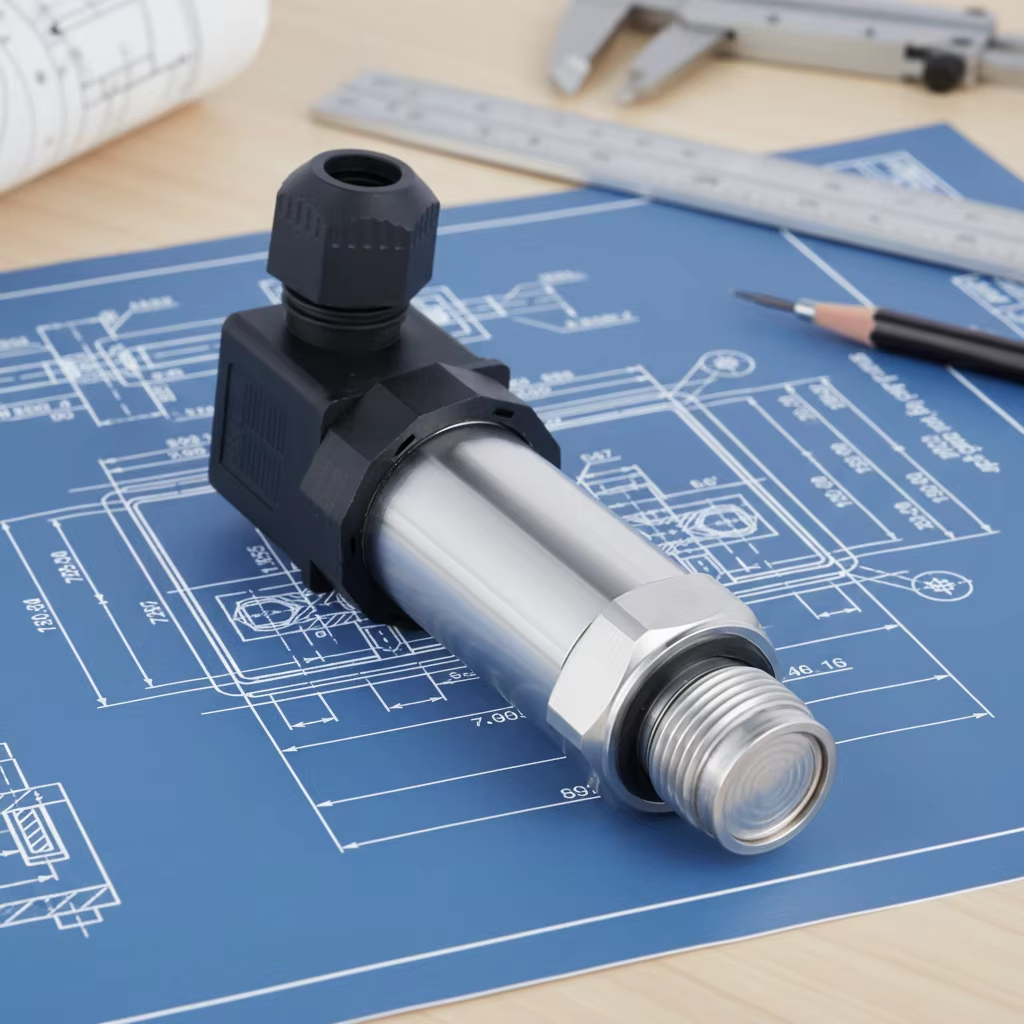
Pressure sensors are critical components in countless industrial applications, from manufacturing processes to environmental monitoring systems. Ensuring these devices maintain their accuracy over time requires a systematic approach to pressure sensor calibration. The frequency and methodology of calibration directly impact operational efficiency, safety compliance, and measurement reliability across diverse industries.
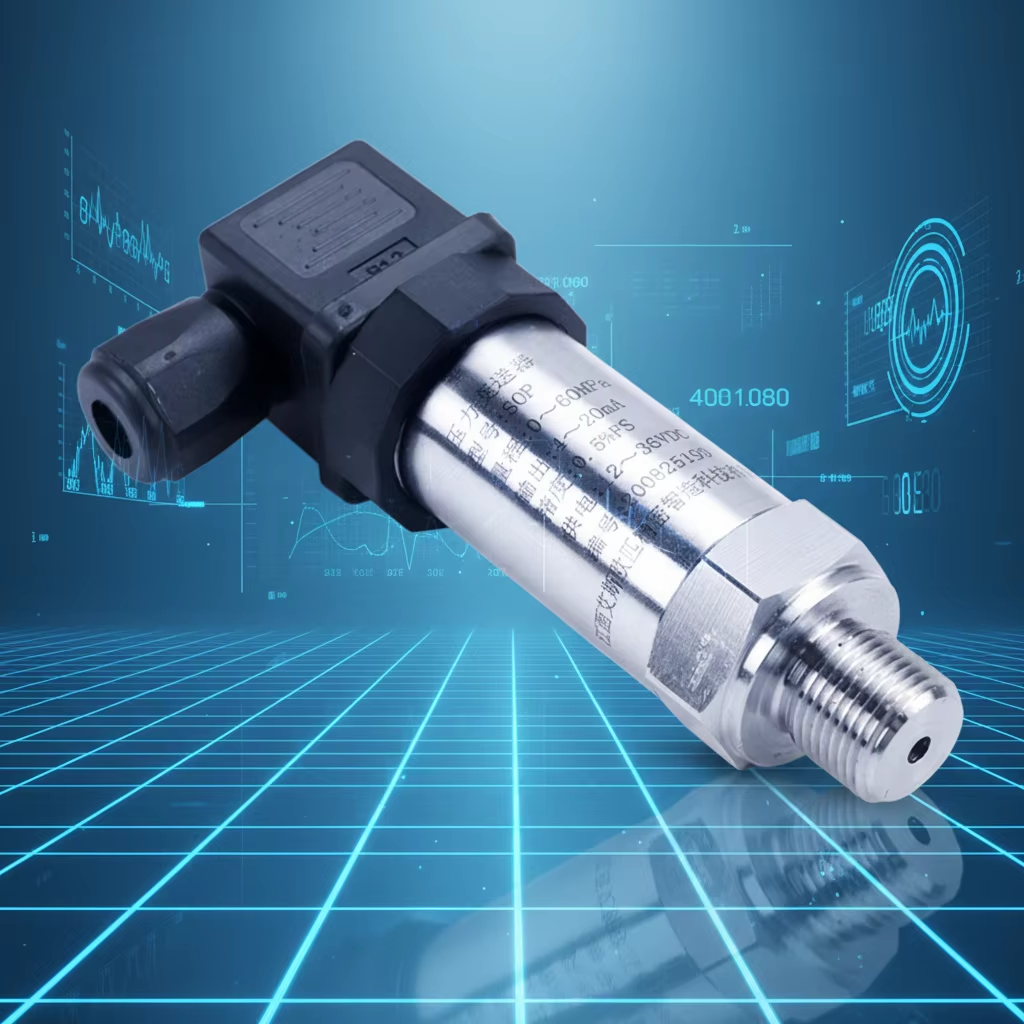
The calibration process involves comparing a pressure sensor's output against a known reference standard to verify its accuracy and adjust it if necessary. This fundamental maintenance procedure ensures that measurements remain within acceptable tolerances throughout the sensor's operational lifecycle. Understanding when and how to perform pressure sensor calibration is essential for maintaining system integrity and avoiding costly downtime or measurement errors.
Understanding Pressure Sensor Calibration Fundamentals
Definition and Purpose of Calibration
Pressure sensor calibration is a metrological process that establishes the relationship between the sensor's input pressure and its corresponding output signal. This procedure validates the sensor's measurement accuracy by comparing its readings against traceable reference standards. The calibration process identifies any drift, nonlinearity, or other measurement errors that may have developed during operation.
The primary purpose of pressure sensor calibration extends beyond simple accuracy verification. It provides documented evidence of measurement reliability, supports quality assurance programs, and ensures compliance with industry standards and regulatory requirements. Regular calibration maintains the traceability chain to national measurement standards, which is crucial for industries requiring certified measurement accuracy.
During the calibration procedure, technicians apply known pressure values across the sensor's measurement range and record the corresponding output signals. Any deviations from expected values are documented, and adjustments are made to bring the sensor back within specified tolerances. This systematic approach ensures measurement confidence and supports informed decision-making based on sensor data.
Types of Calibration Procedures
Several calibration methodologies exist for pressure sensors, each suited to different applications and accuracy requirements. Single-point calibration involves checking the sensor's accuracy at one specific pressure value, typically at the most critical operating point. This approach is suitable for applications where the sensor primarily operates at a consistent pressure level.
Multi-point pressure sensor calibration provides a more comprehensive assessment by testing the sensor's accuracy across multiple pressure points throughout its measurement range. This method reveals linearity characteristics, hysteresis effects, and range-specific errors that single-point calibration might miss. Multi-point calibration is essential for applications requiring high accuracy across the entire measurement span.
Full-range calibration represents the most thorough approach, testing the sensor from zero pressure through its maximum rated pressure. This comprehensive method identifies all potential measurement errors and provides complete characterization of the sensor's performance characteristics. The choice between calibration types depends on application criticality, accuracy requirements, and available resources.
Factors Influencing Calibration Frequency
Environmental Operating Conditions
Environmental factors significantly impact pressure sensor stability and, consequently, calibration frequency requirements. Temperature fluctuations affect sensor components and can cause measurement drift over time. Sensors operating in extreme temperature environments may require more frequent pressure sensor calibration to maintain accuracy within acceptable limits.
Humidity levels, chemical exposure, and vibration also influence sensor performance and calibration intervals. Corrosive environments can degrade sensor materials and affect measurement accuracy more rapidly than benign conditions. Vibration and mechanical shock can impact sensor alignment and internal components, potentially requiring more frequent calibration verification.
Pressure cycling frequency and range also affect calibration needs. Sensors subjected to frequent pressure changes or operating near their maximum pressure ratings may experience faster degradation than those operating under stable conditions. Understanding these environmental impacts helps establish appropriate calibration schedules for specific applications.
Sensor Technology and Quality
The underlying sensor technology plays a crucial role in determining calibration frequency requirements. Silicon-based pressure sensors typically demonstrate excellent long-term stability and may require less frequent calibration than other technologies. Capacitive sensors often exhibit superior stability compared to resistive strain gauge technologies.
Manufacturing quality and initial calibration precision also influence long-term stability. Higher-quality sensors with superior manufacturing processes and materials typically maintain accuracy longer than lower-cost alternatives. The initial calibration quality establishes a baseline for future performance expectations and calibration intervals.
Sensor age and accumulated operating hours affect calibration frequency requirements. As sensors age, various components may degrade, leading to measurement drift and requiring more frequent pressure sensor calibration to maintain accuracy specifications. Tracking sensor performance over time helps predict optimal calibration intervals.
Industry Standards and Regulatory Requirements
Aerospace and Aviation Standards
The aerospace industry maintains stringent requirements for pressure sensor calibration due to safety-critical applications. Federal Aviation Administration regulations and international aviation standards typically mandate specific calibration intervals for pressure sensors used in aircraft systems. These requirements often specify calibration frequencies ranging from monthly to annually, depending on the application criticality.
Aerospace pressure sensor calibration procedures must follow traceable standards and documentation requirements. The calibration must demonstrate compliance with relevant specifications and maintain detailed records for regulatory audits. Many aerospace applications require redundant pressure measurements with independent calibration schedules to ensure system reliability.
Military and defense applications often impose even more rigorous calibration requirements, with some systems requiring pre-mission calibration verification. These demanding applications drive the development of advanced calibration techniques and portable calibration equipment for field use.
Process Industry Compliance
Process industries, including chemical, pharmaceutical, and food processing, operate under various regulatory frameworks that specify pressure sensor calibration requirements. Good Manufacturing Practice guidelines often mandate regular calibration schedules for pressure sensors involved in critical process control applications.
The International Organization for Standardization has established standards that provide guidance for pressure sensor calibration in process industries. These standards emphasize risk-based approaches to calibration frequency determination, considering process criticality, sensor accuracy requirements, and potential consequences of measurement errors.
Pharmaceutical manufacturing typically requires the most stringent calibration protocols, with some applications demanding quarterly or even monthly pressure sensor calibration intervals. These requirements ensure product quality and patient safety while maintaining compliance with regulatory agencies worldwide.
Recommended Calibration Intervals by Application
Critical Safety Applications
Safety-critical applications require the most frequent pressure sensor calibration intervals to ensure reliable operation and prevent potentially catastrophic failures. Pressure relief systems, emergency shutdown systems, and safety instrumented systems typically require monthly to quarterly calibration schedules depending on the specific application and risk assessment.
Nuclear power plants and chemical processing facilities often implement monthly calibration schedules for pressure sensors in safety systems. These frequent intervals provide high confidence in measurement accuracy and early detection of sensor degradation. The calibration procedures for safety applications typically include additional verification steps and redundant reference standards.
Medical applications involving patient safety also require frequent calibration intervals. Pressure sensors in life support equipment, anesthesia machines, and critical care devices may require weekly or even daily calibration verification to ensure patient safety and regulatory compliance.
Process Control and Monitoring
Process control applications typically allow longer calibration intervals than safety-critical systems while still maintaining adequate measurement accuracy. Manufacturing processes often implement quarterly to semi-annual pressure sensor calibration schedules, balancing accuracy requirements with operational efficiency.
HVAC systems and building automation applications generally require annual calibration intervals for pressure sensors monitoring air handling systems and building pressurization. These applications typically have less stringent accuracy requirements and operate in relatively stable environments.
Water treatment and environmental monitoring applications often implement semi-annual to annual calibration schedules. The specific interval depends on measurement accuracy requirements, environmental conditions, and regulatory compliance needs. Remote monitoring applications may require portable calibration equipment for field servicing.
Signs That Calibration is Needed
Performance Indicators and Drift Detection
Several indicators suggest when pressure sensor calibration may be needed outside of scheduled intervals. Measurement drift is the most common sign, where sensor readings gradually deviate from expected values over time. This drift may manifest as consistent offset errors or changes in sensor sensitivity across the measurement range.
Inconsistent readings between redundant sensors in the same process indicate potential calibration issues. When multiple sensors monitoring the same pressure source show significant disagreement, individual calibration verification helps identify which sensors require adjustment or replacement.
Process control problems, quality issues, or unexplained system behavior may also indicate pressure sensor calibration problems. When process optimization becomes difficult or product quality varies unexpectedly, pressure measurement accuracy should be verified through calibration procedures.
Environmental and Operational Triggers
Significant environmental changes or operational events may trigger the need for pressure sensor calibration outside normal schedules. Temperature excursions beyond normal operating ranges can affect sensor accuracy and warrant calibration verification. Similarly, pressure overrange events or mechanical shock may damage sensor components and require immediate calibration checks.
Process modifications, equipment changes, or system upgrades often necessitate pressure sensor calibration to ensure continued accuracy. New piping installations, pump changes, or process parameter modifications can affect pressure sensor performance and measurement accuracy.
Maintenance activities involving sensor removal, electrical work, or system modifications should trigger calibration verification. Even minor disturbances to sensor installations can affect measurement accuracy and require calibration confirmation before returning to service.
Best Practices for Calibration Management
Documentation and Record Keeping
Effective pressure sensor calibration management requires comprehensive documentation and record-keeping systems. Calibration certificates should document all measurement results, reference standard information, environmental conditions, and any adjustments made during the calibration procedure. These records provide traceability and support regulatory compliance requirements.
Digital calibration management systems offer advantages over paper-based record keeping by providing searchable databases, automated scheduling reminders, and trend analysis capabilities. These systems help identify sensors with recurring calibration problems and optimize calibration intervals based on historical performance data.
Calibration history analysis reveals patterns in sensor performance and helps predict optimal calibration intervals for specific applications. Sensors consistently meeting accuracy requirements may qualify for extended calibration intervals, while problematic sensors may require more frequent attention or replacement.
Calibration Equipment and Standards
High-quality calibration equipment with appropriate accuracy ratios ensures reliable pressure sensor calibration results. The calibration standard should typically provide accuracy at least four times better than the sensor being calibrated. This accuracy ratio provides confidence in the calibration results and minimizes measurement uncertainty.
Regular calibration of reference standards maintains traceability to national measurement standards and ensures calibration accuracy. Reference standard calibration intervals typically range from annually to every three years, depending on the standard type and stability characteristics.
Portable calibration equipment enables field calibration of pressure sensors without system disruption. Handheld pressure calibrators and pneumatic pressure sources allow efficient calibration of multiple sensors during scheduled maintenance windows. These tools reduce calibration costs and minimize process downtime.
Cost-Benefit Analysis of Calibration Frequency
Calibration Costs vs Risk Assessment
Determining optimal pressure sensor calibration frequency requires balancing calibration costs against the risks and consequences of measurement errors. Frequent calibration increases confidence in measurement accuracy but also increases labor costs, equipment downtime, and resource requirements.
Risk-based calibration approaches consider the potential consequences of measurement errors when establishing calibration intervals. Safety-critical applications justify more frequent calibration due to the high cost of measurement failures, while less critical applications may accept longer intervals to reduce calibration costs.
Total cost of ownership analysis should include calibration costs, potential downtime expenses, quality impacts, and regulatory compliance costs. This comprehensive analysis helps optimize calibration frequency decisions and resource allocation across multiple pressure sensor applications.
Economic Optimization Strategies
Batch calibration approaches can reduce costs by calibrating multiple sensors during planned maintenance outages. Coordinating pressure sensor calibration with other maintenance activities maximizes efficiency and minimizes system disruptions.
Condition-based calibration strategies use sensor performance monitoring to optimize calibration timing. Sensors demonstrating stable performance may qualify for extended intervals, while declining sensors receive more frequent attention. This approach balances accuracy requirements with cost optimization.
Investment in higher-quality sensors with superior long-term stability can reduce calibration frequency requirements and associated costs. While initial sensor costs may be higher, reduced calibration needs can provide significant long-term savings in demanding applications.
FAQ
What is the typical calibration interval for industrial pressure sensors?
Most industrial pressure sensors require calibration every 6 to 12 months, depending on the application criticality and operating conditions. Safety-critical applications may need monthly calibration, while less critical monitoring applications might extend to annual intervals. The specific interval should be determined based on sensor stability, environmental factors, and accuracy requirements.
Can pressure sensor calibration be performed in the field?
Yes, field calibration is possible using portable calibration equipment and reference standards. Handheld pressure calibrators and pneumatic pressure sources enable on-site pressure sensor calibration without removing sensors from their installations. Field calibration reduces downtime and provides cost-effective calibration for remote or difficult-to-access sensors.
How do I know if my pressure sensor needs calibration?
Signs that indicate calibration needs include measurement drift, inconsistent readings compared to redundant sensors, process control difficulties, or readings that don't correlate with expected process conditions. Additionally, environmental events like temperature excursions, pressure overrange conditions, or mechanical disturbances may trigger the need for calibration verification outside regular schedules.
What documentation is required for pressure sensor calibration?
Proper calibration documentation should include calibration certificates with measurement results, reference standard information, environmental conditions during calibration, traceability information, calibration date and technician identification, and any adjustments made. Many industries require specific documentation formats and retention periods for regulatory compliance, so maintaining comprehensive calibration records is essential for audit purposes.
Table of Contents
- Understanding Pressure Sensor Calibration Fundamentals
- Factors Influencing Calibration Frequency
- Industry Standards and Regulatory Requirements
- Recommended Calibration Intervals by Application
- Signs That Calibration is Needed
- Best Practices for Calibration Management
- Cost-Benefit Analysis of Calibration Frequency
- FAQ