 EN
EN

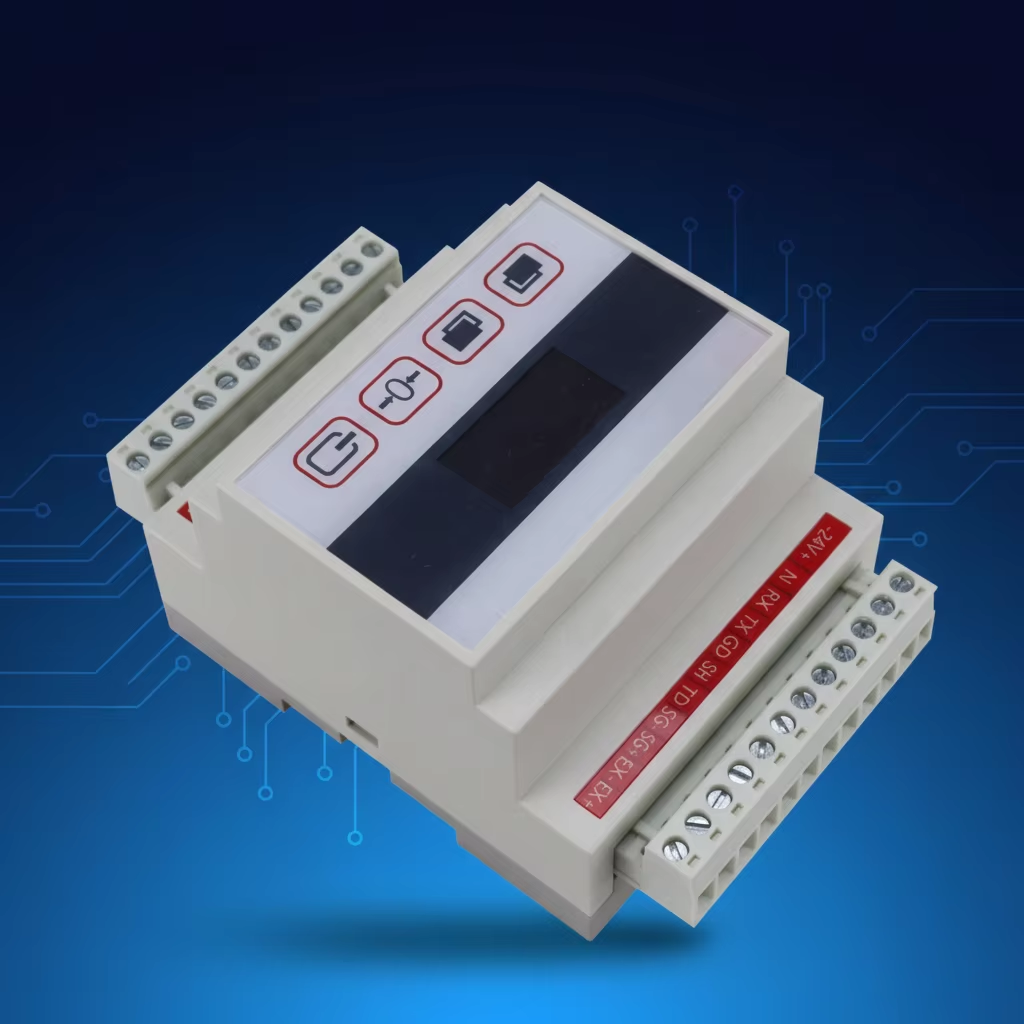
Modern industrial weighing systems rely heavily on precise measurement and display technologies to ensure accurate data collection and process control. A load cell indicator serves as the critical interface between load cell sensors and operators, transforming raw electrical signals into meaningful weight measurements that can be easily interpreted and acted upon. Understanding the various display options available for these essential devices enables engineers and facility managers to select the most appropriate solution for their specific operational requirements and environmental conditions.
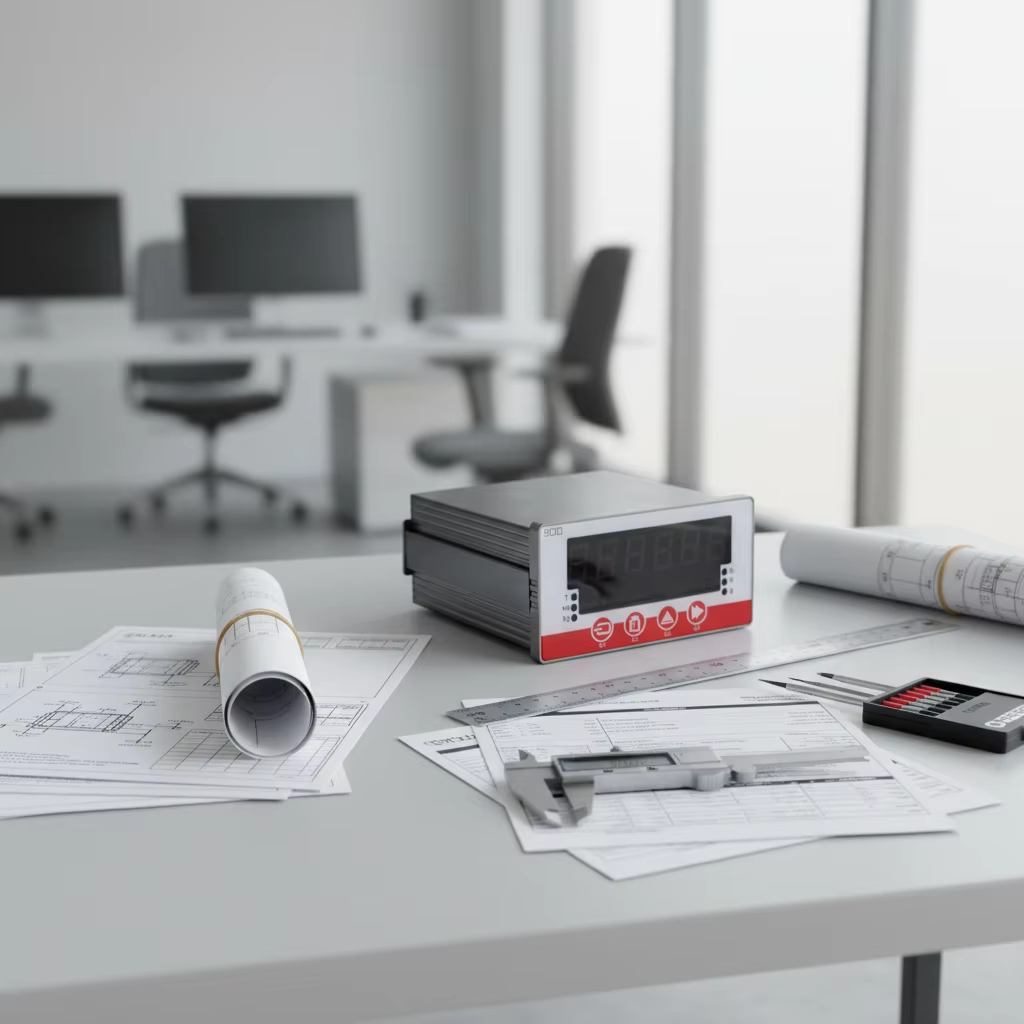
Digital Display Technologies for Load Cell Indicators
LED Display Systems
LED displays represent one of the most popular choices for load cell indicator applications due to their exceptional brightness and visibility in various lighting conditions. These displays utilize light-emitting diodes to create clear, high-contrast numerical readouts that can be easily viewed from considerable distances. A typical load cell indicator with LED technology offers superior visibility in both bright ambient light and low-light industrial environments, making them ideal for warehouse operations, manufacturing floors, and outdoor weighing applications.
The segmented LED configuration commonly found in industrial weighing systems provides reliable performance with minimal power consumption. These displays typically feature seven-segment or fourteen-segment arrangements that can display numerical values, basic alphabetic characters, and simple symbols. Advanced LED-based load cell indicator models incorporate multiple colors to provide visual alerts for different weight ranges or system status conditions, enhancing operator awareness and reducing the likelihood of measurement errors.
Temperature stability represents another significant advantage of LED display technology in industrial weighing applications. Unlike other display types that may suffer from performance degradation in extreme temperatures, LED displays maintain consistent brightness and clarity across wide temperature ranges, ensuring reliable operation in challenging industrial environments where load cell indicator systems must function continuously.
LCD Display Options
Liquid Crystal Display technology offers versatile display capabilities for modern load cell indicator systems, providing excellent readability while consuming minimal power. LCD displays excel in applications where detailed information presentation is required, as they can simultaneously show multiple data points including weight values, units of measurement, tare weights, and system status indicators on a single screen interface.
Backlit LCD displays enhance visibility in low-light conditions while maintaining the energy efficiency advantages inherent in liquid crystal technology. Many contemporary load cell indicator units incorporate adjustable backlighting systems that automatically adapt to ambient light conditions, optimizing display visibility while conserving power consumption during extended operation periods.
The versatility of LCD technology allows for custom display layouts and graphical elements that can enhance user interface design. Advanced LCD-equipped load cell indicator systems can present trending data, statistical information, and diagnostic messages alongside primary weight measurements, providing operators with comprehensive system insights that facilitate informed decision-making and proactive maintenance planning.
Advanced Display Features and Capabilities
Multi-Parameter Display Functions
Contemporary load cell indicator systems increasingly incorporate multi-parameter display capabilities that simultaneously present various measurement and system parameters. These advanced displays can show primary weight readings alongside secondary information such as rate-of-change indicators, peak hold values, statistical data, and system diagnostic information. This comprehensive approach to data presentation eliminates the need for operators to cycle through multiple display modes, improving operational efficiency and reducing the potential for oversight.
Configurable display zones allow operators to customize the information layout according to their specific operational requirements. A modern load cell indicator might feature separate display areas for current weight, target weight, variance indicators, and process status messages, enabling operators to monitor multiple aspects of the weighing process simultaneously without losing focus on critical measurement data.
Color-coding capabilities in advanced display systems provide immediate visual feedback about system status and measurement conditions. Weight values might be displayed in different colors to indicate normal operation, approaching limits, or alarm conditions, while system status indicators use standardized color schemes to communicate equipment health and operational readiness without requiring detailed interpretation of numerical codes.
Programmable Display Configurations
Modern load cell indicator systems offer extensive programmability options that allow users to customize display behavior according to specific application requirements. These programmable features include adjustable display update rates, configurable decimal point positions, selectable engineering units, and customizable alarm thresholds that trigger visual or audible notifications when predetermined conditions are met.
User-definable display messages enhance communication between the weighing system and operators, providing context-specific information that guides proper system operation. A sophisticated load cell indicator can display custom prompts, procedural instructions, or maintenance reminders at appropriate times during operation, reducing training requirements and minimizing the potential for operational errors.
Password-protected configuration menus ensure that display settings remain stable and secure while allowing authorized personnel to modify system parameters as operational requirements evolve. This security feature prevents unauthorized changes to critical display parameters while maintaining the flexibility needed for system optimization and maintenance activities.
Environmental Considerations for Display Selection
Industrial Environment Compatibility
The selection of appropriate display technology for a load cell indicator must consider the specific environmental conditions where the system will operate. Industrial environments present unique challenges including temperature extremes, humidity variations, vibration, electromagnetic interference, and exposure to dust or corrosive substances that can significantly impact display performance and longevity.
Sealed display enclosures with appropriate ingress protection ratings ensure reliable operation in harsh industrial conditions. A properly specified load cell indicator with environmental protection can withstand washdown procedures, resist chemical exposure, and maintain display clarity despite the presence of airborne contaminants that might otherwise degrade visibility or damage sensitive display components.
Vibration resistance becomes particularly important in applications involving heavy machinery, conveyor systems, or mobile weighing equipment where mechanical shock and continuous vibration could affect display readability or component reliability. Ruggedized display assemblies incorporate shock-mounting systems and robust component construction to ensure consistent performance despite challenging mechanical environments.
Outdoor and Remote Installation Requirements
Outdoor installations of load cell indicator systems require display technologies specifically designed to withstand weather exposure, temperature cycling, and varying solar radiation conditions. Sunlight-readable displays incorporate high-brightness LED or specialized LCD technologies that maintain visibility even under direct sunlight, while weatherproof enclosures protect sensitive electronics from moisture infiltration and temperature extremes.
Remote installation scenarios often necessitate displays with enhanced visibility characteristics that allow operators to read measurements from extended distances. Large-character displays with high contrast ratios enable accurate weight reading from significant distances, improving operational safety by allowing personnel to maintain appropriate separation from potentially hazardous weighing operations.
Solar-powered display options provide sustainable operation solutions for remote locations where conventional power sources may be unavailable or impractical. These systems incorporate energy-efficient display technologies with intelligent power management features that extend battery life while maintaining reliable measurement display capabilities throughout extended operational periods.
Integration and Connectivity Options
Digital Communication Interfaces
Modern load cell indicator systems incorporate various digital communication interfaces that enable seamless integration with plant automation systems, data logging equipment, and remote monitoring platforms. These connectivity options transform the display from a simple local readout into a networked component of comprehensive process control and data management systems.
Ethernet connectivity enables load cell indicator data to be transmitted to central monitoring systems, allowing supervisory personnel to observe weighing operations from remote locations while maintaining detailed historical records of all measurement activities. This network integration capability supports predictive maintenance programs and process optimization initiatives that rely on comprehensive data collection and analysis.
Wireless communication options eliminate the need for physical cabling in challenging installation environments while providing reliable data transmission capabilities. Advanced wireless-enabled load cell indicator systems can transmit measurement data, alarm conditions, and diagnostic information to central control systems without the infrastructure complexity associated with traditional wired installations.
Data Logging and Historical Display Features
Contemporary load cell indicator systems frequently incorporate internal data logging capabilities that store measurement histories for subsequent analysis and regulatory compliance documentation. These systems can display historical data trends, statistical summaries, and comparative analyses that provide valuable insights into process performance and equipment utilization patterns.
Graphical trending displays present weight data in visual formats that facilitate rapid identification of process variations, cyclical patterns, or gradual changes that might indicate equipment wear or process drift. A sophisticated load cell indicator with trending capabilities can help operators identify optimization opportunities and potential maintenance requirements before they impact operational efficiency.
Export capabilities allow stored data to be transferred to external analysis software, quality management systems, or regulatory reporting platforms. These features support compliance with industry standards and regulatory requirements while enabling continuous improvement initiatives based on comprehensive measurement data analysis.
Selection Criteria for Optimal Display Performance
Application-Specific Requirements Analysis
Selecting the most appropriate display technology for a load cell indicator requires careful analysis of specific application requirements including measurement precision needs, environmental conditions, operator interaction patterns, and integration requirements with existing systems. Different applications may prioritize different display characteristics, making thorough requirements analysis essential for optimal system performance.
Measurement precision requirements directly influence display resolution and update rate specifications. High-precision applications may require displays capable of showing fractional weight units with rapid update rates to track dynamic weighing processes, while less demanding applications might prioritize display ruggedness and long-term reliability over maximum precision capabilities.
Operator workflow considerations affect display layout and functionality requirements. Applications involving frequent operator interaction may benefit from displays with multiple information zones and intuitive navigation interfaces, while automated systems might prioritize remote monitoring capabilities and alarm indication features over local display sophistication.
Cost-Benefit Analysis Considerations
The total cost of ownership for a load cell indicator system extends beyond initial purchase price to include installation costs, maintenance requirements, energy consumption, and potential downtime expenses associated with display failures or performance limitations. Comprehensive cost-benefit analysis ensures optimal value delivery over the expected system lifetime.
Energy efficiency considerations become particularly important in battery-powered or solar-powered installations where display power consumption directly impacts operational autonomy and maintenance frequency. Low-power display technologies may justify higher initial costs through reduced operating expenses and extended maintenance intervals in appropriate applications.
Scalability factors influence long-term value delivery as operational requirements evolve. Display systems with programmable features and communication capabilities may accommodate changing requirements without necessitating complete system replacement, providing superior long-term value compared to less flexible alternatives despite potentially higher initial investment requirements.
FAQ
What display technology offers the best visibility in bright sunlight conditions
High-brightness LED displays typically provide superior visibility in direct sunlight conditions compared to standard LCD displays. LED technology can achieve brightness levels exceeding 10,000 nits, which maintains excellent readability even under intense solar radiation. For outdoor load cell indicator applications, LED displays with automatic brightness adjustment features offer optimal visibility while conserving energy during periods of reduced ambient light.
How does display update rate affect measurement accuracy in dynamic weighing applications
Display update rate directly impacts the ability to accurately track rapid weight changes in dynamic weighing scenarios. A load cell indicator with faster update rates can more precisely capture peak weights, settling times, and transient conditions that slower displays might miss. For applications involving moving materials or rapid filling operations, update rates of 10 Hz or higher typically provide adequate response for accurate measurement capture and display.
What environmental protection ratings are necessary for industrial weighing displays
Industrial load cell indicator displays typically require IP65 or higher protection ratings to withstand dust ingress and water spray common in manufacturing environments. For applications involving washdown procedures or exposure to corrosive chemicals, IP67 or IP68 ratings provide enhanced protection against water immersion and chemical exposure. The specific protection level needed depends on the particular environmental challenges present in each installation location.
Can display configurations be modified after installation to accommodate changing operational requirements
Most modern load cell indicator systems offer programmable display configurations that can be modified through software interfaces without hardware changes. These modifications typically include display resolution settings, update rates, alarm thresholds, and information layout configurations. However, the extent of possible modifications depends on the specific capabilities designed into the original system, making it important to consider future flexibility requirements during initial system selection.
Table of Contents
- Digital Display Technologies for Load Cell Indicators
- Advanced Display Features and Capabilities
- Environmental Considerations for Display Selection
- Integration and Connectivity Options
- Selection Criteria for Optimal Display Performance
-
FAQ
- What display technology offers the best visibility in bright sunlight conditions
- How does display update rate affect measurement accuracy in dynamic weighing applications
- What environmental protection ratings are necessary for industrial weighing displays
- Can display configurations be modified after installation to accommodate changing operational requirements