 EN
EN

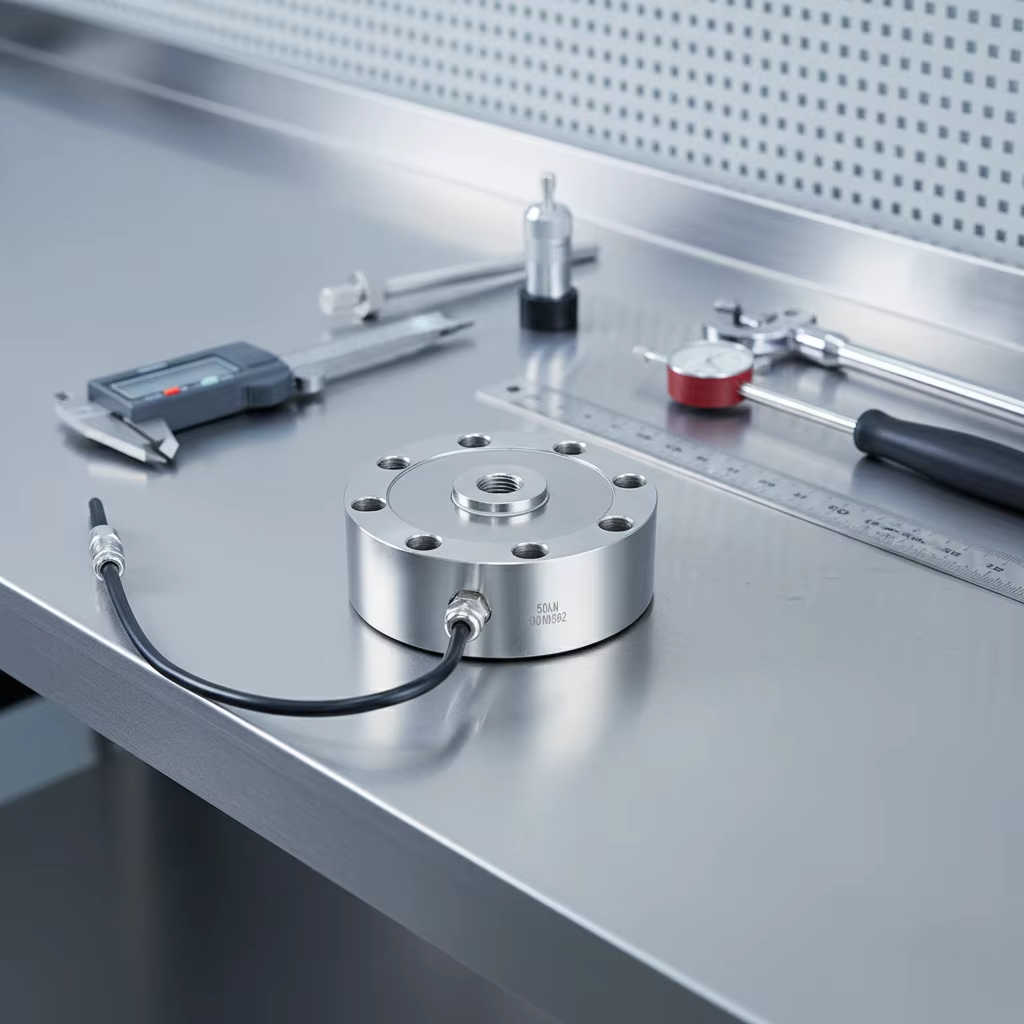
Load cells are precision instruments designed to measure force and weight with exceptional accuracy. However, these sensitive devices face constant risk of damage from excessive loads that exceed their rated capacity. Understanding load cell overload protection is essential for maintaining measurement accuracy, extending equipment lifespan, and preventing costly downtime in industrial applications. The consequences of overload can range from temporary measurement drift to permanent damage requiring complete sensor replacement.
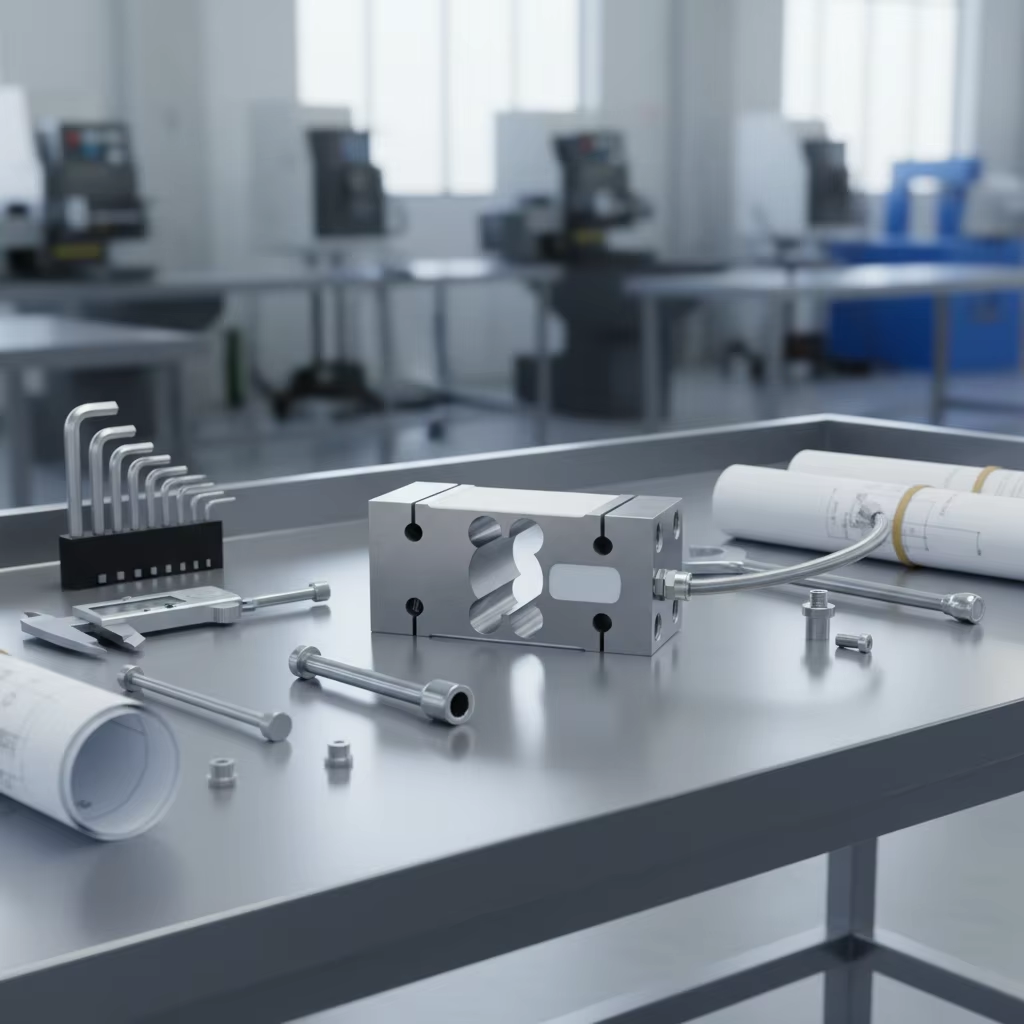
Manufacturing and process industries rely heavily on accurate weight measurements for quality control, inventory management, and process optimization. When load cells experience overload conditions, the resulting measurement errors can cascade through entire production systems, leading to product defects, material waste, and regulatory compliance issues. Implementing comprehensive load cell overload protection strategies becomes crucial for maintaining operational excellence and protecting significant capital investments in weighing equipment.
Understanding Load Cell Overload Mechanisms
Physical Stress and Deformation Effects
Load cells operate by measuring the deformation of strain gauges bonded to a metal structure when force is applied. When loads exceed the designed capacity, the metal structure experiences plastic deformation rather than elastic deformation. This permanent change alters the relationship between applied force and electrical output, rendering the load cell inaccurate or completely non-functional. The strain gauges themselves can also suffer damage from excessive mechanical stress, breaking their delicate electrical connections.
Different load cell designs exhibit varying vulnerability to overload conditions. Compression load cells typically demonstrate better overload resistance compared to tension or shear beam designs due to their robust mechanical construction. However, even the most rugged designs have finite limits beyond which permanent damage occurs. Understanding these physical limitations helps engineers select appropriate load cell overload protection measures for specific applications.
Electrical Circuit Vulnerabilities
Beyond mechanical damage, overload conditions can stress the electrical components within load cells. Excessive deformation may cause strain gauge wires to stretch beyond their elastic limit, creating resistance changes that persist even after load removal. Temperature increases from rapid deformation cycles can also affect the adhesive bonds securing strain gauges to the load cell structure. These electrical vulnerabilities often manifest as measurement drift, nonlinearity, or complete signal loss.
Modern load cells incorporate various electrical protection features, but these safeguards have limitations. Bridge circuit imbalances from damaged strain gauges cannot be corrected through electronic means once physical damage occurs. Prevention through proper mechanical load cell overload protection remains the most effective approach for preserving both the physical structure and electrical integrity of these precision instruments.
Mechanical Protection Systems
Overload Stops and Limiting Devices
Mechanical overload stops represent the first line of defense against excessive loads in many weighing applications. These devices physically limit the deformation of load cells by providing alternative load paths when forces exceed predetermined thresholds. Properly designed overload stops engage smoothly without introducing shock loads that could damage the load cell structure. The engagement point typically occurs at 150-200% of the load cell's rated capacity, providing adequate safety margin while allowing normal operation.
Installation of mechanical stops requires careful consideration of thermal expansion, manufacturing tolerances, and wear patterns. The gaps between stops and load cell structures must accommodate normal deflection while preventing excessive movement during overload conditions. Regular inspection and maintenance of these mechanical protection systems ensures continued effectiveness in preventing load cell overload protection failures. Adjustable stops allow fine-tuning of engagement points based on actual application requirements.
Load Distribution and Mounting Considerations
Proper load cell mounting significantly influences overload resistance and measurement accuracy. Multi-point weighing systems distribute loads across multiple sensors, reducing individual load cell stress and providing inherent overload protection through load sharing. However, uneven load distribution due to foundation settling, thermal effects, or mechanical wear can concentrate forces on individual load cells, increasing overload risk despite system-level protection measures.
Mounting hardware must accommodate thermal expansion and settling while maintaining precise load transfer characteristics. Flexible mounting systems that allow controlled movement prevent binding forces that could overload individual sensors. Self-aligning mounts automatically compensate for minor installation variations and foundation movements, ensuring consistent load cell overload protection performance throughout the system's operational life.
Electronic Protection Strategies
Signal Processing and Conditioning
Advanced electronic systems provide sophisticated load cell overload protection through continuous monitoring and signal conditioning. Digital load cell interfaces can detect abnormal signal patterns indicative of overload conditions, automatically triggering protective responses before permanent damage occurs. These systems analyze signal characteristics including magnitude, rate of change, and harmonic content to distinguish between normal load variations and potentially damaging overload events.
Programmable alarm thresholds allow customization of protection parameters for specific applications and load cell types. Multi-level warning systems provide graduated responses, from visual indicators for minor overloads to automatic system shutdowns for severe conditions. Data logging capabilities preserve overload event details for analysis and preventive maintenance planning, helping optimize load cell overload protection strategies based on actual operating experience.
Automatic Control System Integration
Integration with process control systems enables proactive load cell overload protection through automated material handling and process adjustments. Weighing controllers can interface with conveyor systems, material feeders, and process equipment to prevent overload conditions from developing. Predictive algorithms analyze loading patterns and automatically adjust feed rates or divert materials when approaching overload thresholds.
Emergency stop systems provide immediate protection when overload conditions develop rapidly. These systems can halt material flow, activate load relief mechanisms, or redirect process streams within milliseconds of detecting dangerous conditions. Integration with safety instrumented systems ensures load cell overload protection measures meet applicable safety standards and regulatory requirements for critical applications.
Application-Specific Protection Methods
Industrial Weighing Systems
Industrial scales and weighing systems face unique overload challenges due to material handling equipment, operator actions, and process variations. Truck scales require robust load cell overload protection to withstand dynamic loading from moving vehicles, emergency braking, and occasional impacts from oversized loads. Hydraulic load cells in these applications often incorporate built-in overload protection through pressure relief systems that prevent excessive force transmission.
Process weighing applications in chemical, pharmaceutical, and food industries must balance overload protection with sanitary requirements and cleaning protocols. Hermetically sealed load cells with internal overload stops protect against both mechanical damage and contamination while maintaining measurement accuracy. Special mounting systems accommodate vessel thermal expansion and vibration while providing consistent load cell overload protection performance.
Laboratory and Analytical Applications
Precision analytical balances require extremely sensitive load cell overload protection due to their high resolution and delicate construction. These instruments typically employ multiple protection layers including mechanical stops, electronic monitoring, and user training protocols. Draft shields and vibration isolation systems prevent environmental disturbances that could contribute to overload conditions during sensitive measurements.
Calibration weight handling systems ensure proper loading procedures and prevent accidental overloads during routine maintenance and verification procedures. Automated weight changers eliminate human error factors while providing consistent load cell overload protection through programmed sequence controls and safety interlocks. These systems maintain measurement traceability while protecting valuable instrumentation investments.
Preventive Maintenance and Monitoring
Regular Inspection Procedures
Systematic inspection programs identify potential overload conditions before they cause permanent damage to load cell systems. Visual examinations reveal mechanical wear, corrosion, and structural changes that could compromise load cell overload protection effectiveness. Measurement verification using certified reference weights detects performance degradation that may indicate previous overload events or developing problems.
Documentation of inspection findings creates historical records enabling trend analysis and predictive maintenance planning. Standardized inspection checklists ensure consistent evaluation procedures and facilitate training of maintenance personnel. Photography and dimensional measurements provide objective evidence of condition changes over time, supporting decisions regarding load cell replacement or protection system modifications.
Performance Monitoring and Trending
Continuous monitoring of load cell performance parameters provides early warning of overload-related degradation. Statistical analysis of measurement data reveals drift patterns, nonlinearity development, and repeatability changes that may indicate structural damage or protection system failures. Automated monitoring systems can alert maintenance personnel to developing problems before they affect product quality or process control.
Calibration history analysis identifies load cells experiencing frequent overloads through patterns of calibration drift and adjustment requirements. This information guides improvements to load cell overload protection systems and operator training programs. Correlation of overload events with process conditions helps identify root causes and develop more effective prevention strategies.
FAQ
What are the most common causes of load cell overload in industrial applications
The most frequent causes of load cell overload include operator error during material handling, equipment malfunction leading to uncontrolled loading, thermal expansion effects in weighing structures, and inadequate overload protection system design. Material buildup on weighing surfaces can also create unexpected loads that exceed design limits. Proper training, regular maintenance, and robust load cell overload protection systems address these common risk factors effectively.
How can I determine if my load cell has been damaged by overload conditions
Overload damage typically manifests as measurement drift, reduced accuracy, nonlinear response, or complete signal loss. Calibration tests using certified weights reveal performance changes that indicate structural damage. Visual inspection may show physical deformation, cracked housings, or damaged cables. Electronic testing of resistance values and insulation integrity provides additional diagnostic information about internal component condition following suspected overload events.
What safety factors should be considered when designing overload protection systems
Safety factors for load cell overload protection typically range from 150% to 300% of rated capacity, depending on application requirements and load characteristics. Dynamic loading conditions require higher safety factors than static applications. Environmental factors including temperature variations, vibration, and corrosive conditions influence protection system design requirements. Regulatory standards and industry guidelines provide specific safety factor recommendations for different application types.
Can electronic protection systems replace mechanical overload stops
Electronic protection systems provide valuable monitoring and control capabilities but cannot fully replace mechanical overload stops in most applications. Electronics offer faster response times and sophisticated analysis capabilities, while mechanical systems provide absolute physical limits that function even during power failures. The most effective load cell overload protection strategies combine both electronic and mechanical approaches to address different failure modes and operating conditions comprehensively.
Table of Contents
- Understanding Load Cell Overload Mechanisms
- Mechanical Protection Systems
- Electronic Protection Strategies
- Application-Specific Protection Methods
- Preventive Maintenance and Monitoring
-
FAQ
- What are the most common causes of load cell overload in industrial applications
- How can I determine if my load cell has been damaged by overload conditions
- What safety factors should be considered when designing overload protection systems
- Can electronic protection systems replace mechanical overload stops