 EN
EN

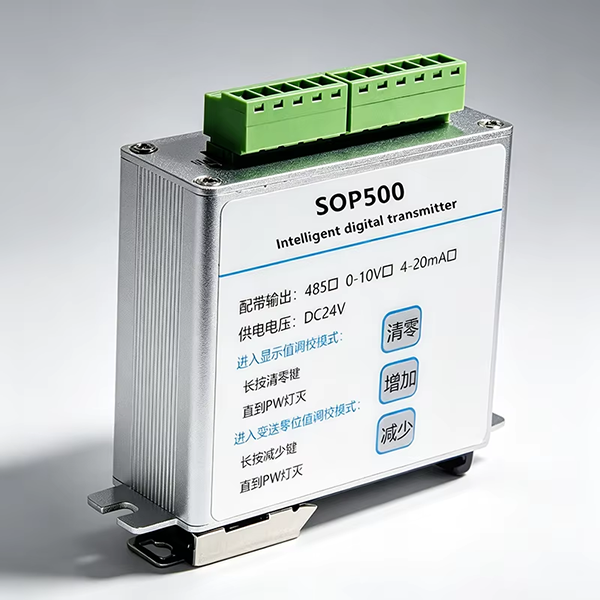
If you’ve ever spent a shift troubleshooting a finicky analog load cell setup on your production floor, you know the pain: signal drift mid-batch, random data glitches from nearby motor interference, and hours of recalibration that kills your throughput. That’s why more teams are ditching old analog amplifiers for digital load cell transmitters — and the difference isn’t subtle.
The biggest shift we’ve seen on client lines is how much they cut down on unplanned work. Unlike analog systems that lose accuracy over time from temperature swings or cable noise, digital transmitters process the raw strain gauge signal right at the source. They run built-in linearization and temperature compensation automatically, so you don’t have to re-calibrate the whole system every time the factory floor temperature jumps 10 degrees. Many models even store the last 50 calibration events, so you can trace back exactly when a drift issue started instead of guessing.
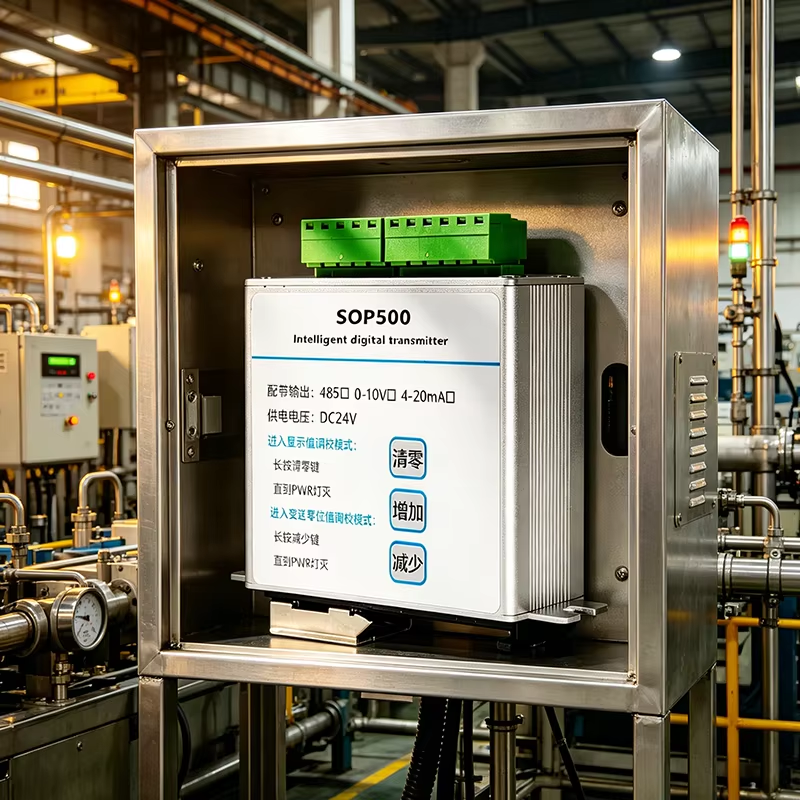
Integration is another huge win. Most modern digital load cell transmitters come with native Modbus interfaces that plug straight into your existing PLC, no messy signal converters or extra wiring. One packaging line team we worked with swapped out their old analog setup last quarter, and they cut their installation time from two full days to four hours.
Don’t get me wrong — they’re not a fit for every tiny, low-budget scale. But for any process where consistent weight data directly impacts your product quality, digital load cell transmitters aren’t a fancy upgrade anymore. They’re a practical, cost-effective fix for the most common headaches that have plagued industrial weighing for decades.