 EN
EN

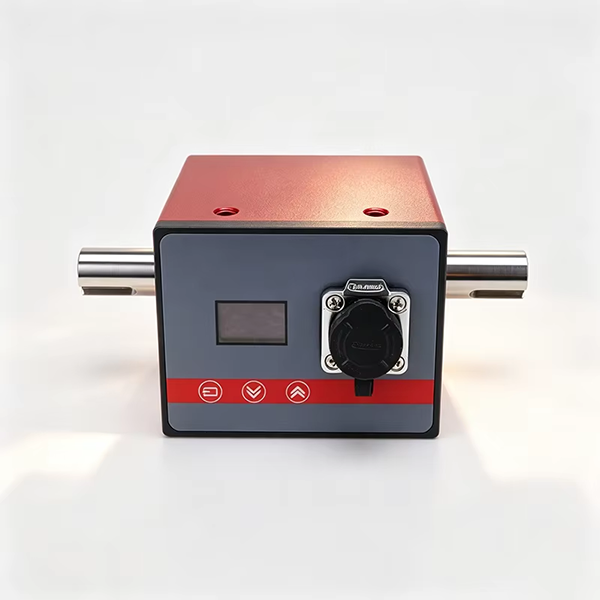
If you walk through a modern automotive assembly line in Thailand, a collaborative robot workshop in Singapore, or a new electric vehicle test lab in Indonesia, you will find dynamic torque sensors tucked into the heart of nearly every high-precision system. These unassuming devices, which measure real-time rotational force as machinery runs, have quietly become one of the most in-demand components across Southeast Asia’s fast-growing industrial landscape.
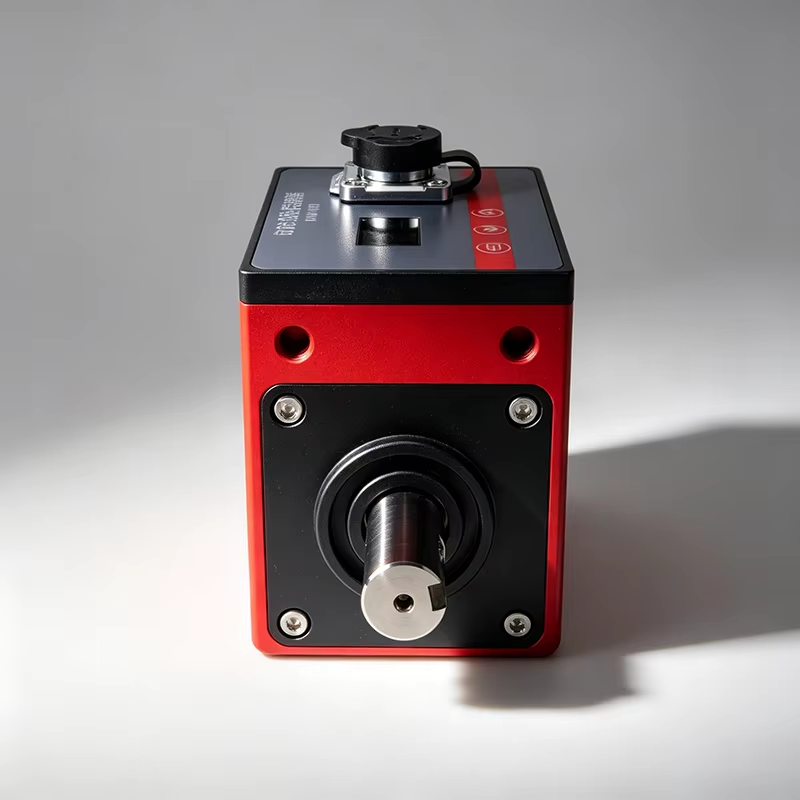
In the region’s booming automotive and electric vehicle sectors, engineers rely on these sensors to fine-tune drivetrain performance, making sure every bit of power from the motor translates smoothly to the wheels without unnecessary energy waste. Local teams say the biggest draw is the continuous, live data the sensors feed back — it lets them catch tiny performance inconsistencies early, long before they turn into bigger issues that could disrupt production.
Beyond vehicles, the region’s fast-expanding collaborative robot and smart manufacturing scene has embraced these dynamic torque sensors wholeheartedly. Factories building everything from electronics to packaged food use them to add a layer of gentle, precise force control to robotic arms, so the machines can handle fragile components safely without risking damage to parts or nearby workers. Even in the marine and shipbuilding sectors, which have deep roots across Southeast Asia’s coastal industrial zones, these sensors are now being fitted to propulsion systems to keep large vessels running more reliably on long voyages.
What local suppliers note most is how customers no longer just see these as a generic off-the-shelf part. Teams across Vietnam, Malaysia and beyond are looking for units that can stand up to the region’s humid, dusty operating conditions, paired with quick local technical support to keep their lines running without long delays. As Southeast Asia’s industrial ecosystem keeps pushing for higher precision and smarter operations, these small but critical dynamic torque sensors will only grow more central to keeping that progress moving forward.