 EN
EN

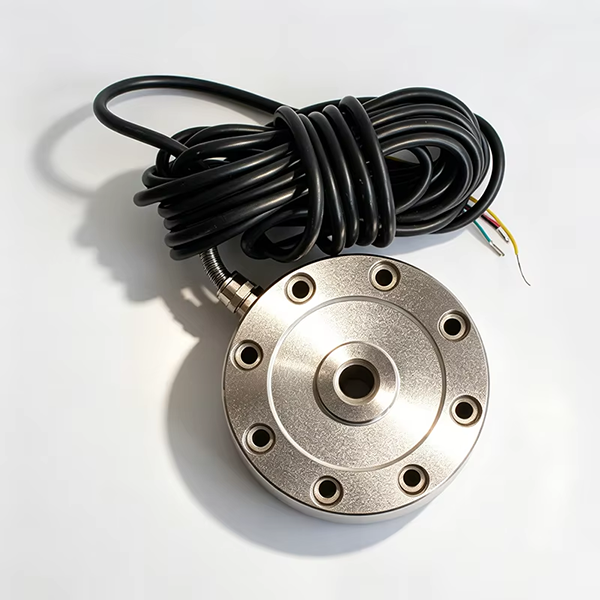
If you’ve ever tried to get consistent, reliable weight readings on a dynamic, moving production line, you know how frustrating it is when a standard load cell can’t keep up. Side loads, sudden impact, or even a little bit of misalignment can throw readings completely off, and you end up wasting hours troubleshooting or scrapping mismeasured batches. That’s exactly where the spoke type load cell shines, and I’ve seen it fix so many of these seemingly impossible weighing headaches for teams I work with.

The clever spoke design is what makes all the difference here. It distributes force evenly across the whole unit, so it doesn’t get thrown off by the off-center loads or sudden jolts that would make a regular load cell drift or even break. I’ve watched teams test these on conveyor scales, material testers, and even heavy-duty hopper setups where materials drop down hard at full speed, and they hold their accuracy steady no matter what gets thrown at them. No more stopping the line every shift to recalibrate after a rough batch of material.
What I love most is how versatile they are. They work just as well for low-capacity, high-precision test applications as they do for heavy-duty industrial weighing, and they fit into spaces where bulkier load cell designs simply won’t fit. A lot of operators I know used to think they had to pick between ruggedness and accuracy, but spoke type models deliver both without the hassle. You don’t need a team of specialists to install them, and they don’t demand constant, fussy maintenance to keep running right.
It’s wild how many operations still stick to old standard load cells and put up with constant reading errors, when this solution exists. If you’re still fighting inconsistent measurements on dynamic or off-center load setups, don’t sleep on the spoke type load cell. It’s the underrated workhorse that will take 90% of your daily weighing headaches right off the table.