 EN
EN

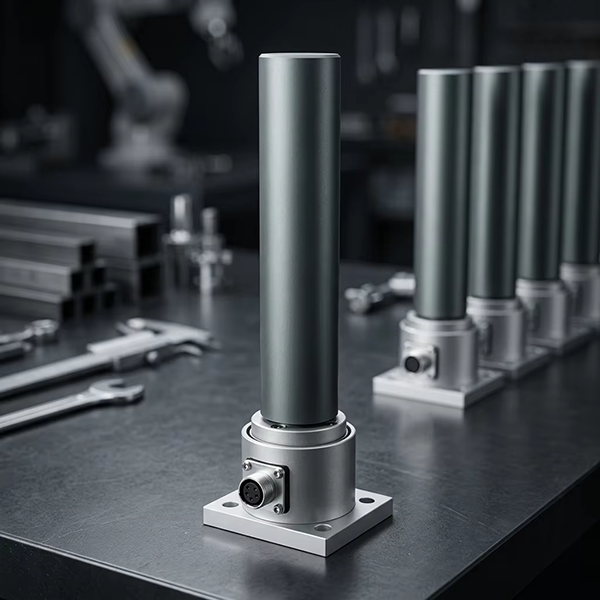
If you’ve ever stood on a factory floor watching high-speed production lines run nonstop, you’ve probably noticed how tiny, unnoticeable tweaks make all the difference between a smooth shift and a costly mess. That’s exactly where tension sensors come in, and I’ve seen firsthand how much they’ve changed day-to-day operations for teams I work with over the past few years.
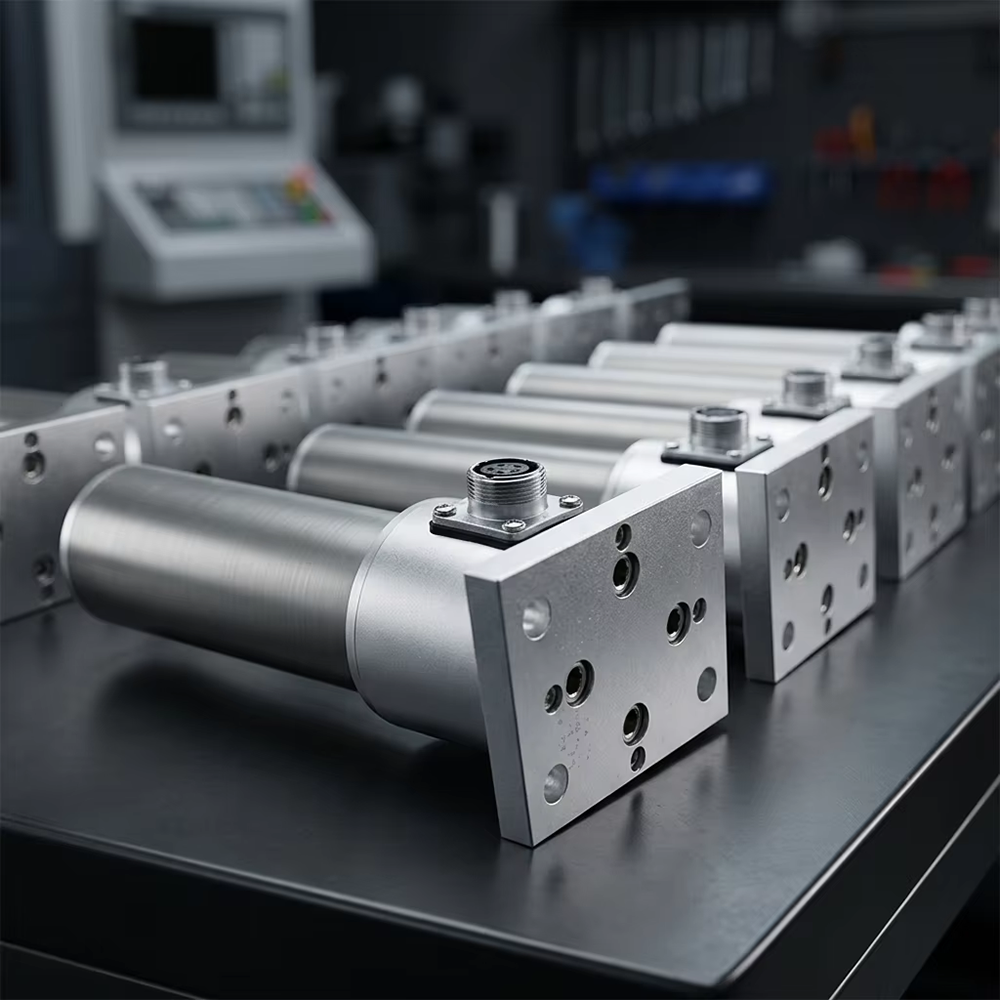
A lot of people still write them off as a niche component, but that misses the whole point. These small, rugged devices don’t just measure pull or tightness on materials — they catch tiny shifts that human operators could never spot in time. On packaging lines, they keep film from snapping mid-run or winding so loose that whole stacks end up misaligned. In textile manufacturing, they stop fabric from stretching unevenly before it turns into hundreds of yards of wasted stock. Even in aerospace assembly, they make sure fasteners and cabling sit under exactly the right tension, no guesswork involved.
The best part? Modern tension sensors don’t need constant babysitting. Most of the newer models plug right into existing control systems, so teams don’t have to rip out their whole setup to add them. I’ve talked to plant managers who swapped out old, manual tension checks for these sensors and cut unplanned downtime way down, almost overnight. No more stopping every 20 minutes to adjust dials, no more scrapping batches because tension drifted off without anyone noticing.
What surprises me most is how many teams still haven’t explored what these tension sensors can do. They’re not some fancy, overpriced upgrade for top-tier facilities — they’re a practical fix for the small, persistent headaches that eat into productivity every single week. If you’re still relying on manual checks to keep tension consistent across your lines, it might be time to take a closer look. These unassuming little devices might just be the quiet upgrade your workflow has been missing all along.