 EN
EN

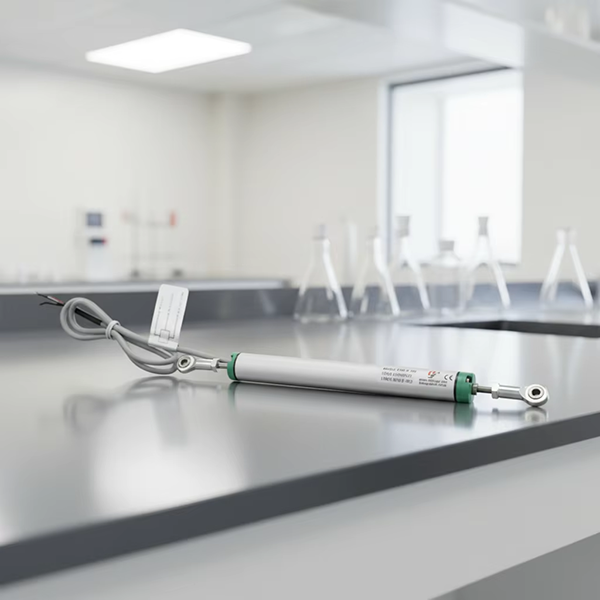
In the world of scientific research, the need for super accurate measurements has never been more critical. Labs across all sorts of fields rely heavily on precise data to guide their experiments and confirm their theories. One technology that's really been stepping up its game in helping us get better measurements is the linear displacement sensor.
So, what exactly are these sensors? Basically, they're devices that track how an object moves or changes position along a straight line. They’re especially important when even a tiny measurement mistake could throw things off big time. These sensors work by turning the physical movement of an object into an electrical signal, which scientists can then read and analyze with their data collection systems.
In labs, you’ll find linear displacement sensors playing all kinds of roles. From simple tasks to complex experiments, they’re pretty much everywhere. For example, in materials science labs, they help figure out how different materials behave under stress. By precisely measuring how a material deforms during testing, researchers can learn more about its strength, flexibility, and how much it can withstand.
They also come in handy in fluid dynamics. During wind tunnel tests, for example, these sensors measure how models react to airflow — like how much they deflect or move. Thanks to the high level of precision these sensors offer, we get reliable, reproducible data, which is super important for refining aerodynamic theories and designing better cars and planes.
And it doesn’t stop there. Medical research labs use them too, especially in biomechanics and orthopedics, to measure how joints and bones move or line up. That kind of detailed info is vital for designing prosthetics and implants that actually fit well and work smoothly.
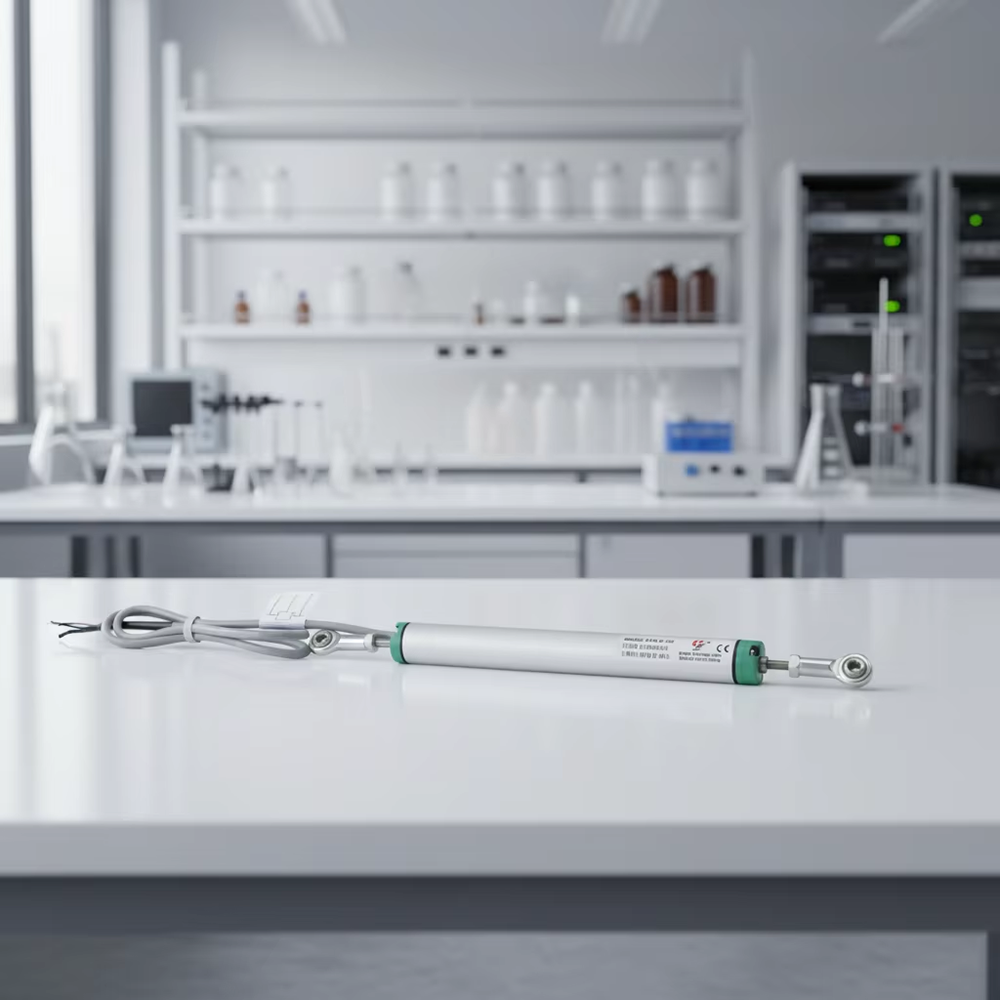
Thankfully, recent tech advances have made it easier than ever to integrate these sensors into lab equipment. New developments in design, materials, and signal processing mean they’re now more accurate, tougher, and easier to set up in different experimental setups. Many of these sensors now come with smart software for real-time analysis and monitoring, which helps researchers work more efficiently.
All in all, linear displacement sensors are really changing the game when it comes to taking measurements in labs. Their accuracy and dependability are fundamental across so many fields — from materials science and aerodynamics to medical device research. And as technology keeps progressing, expect these sensors to stay at the forefront of scientific breakthroughs, giving researchers the tools they need to push boundaries and discover new things.