 EN
EN


When it comes to measuring things precisely, linear displacement transducers are honestly pretty amazing. You’ll see them popping up across lots of industries—they’re the trusty tools used to gauge how far something has moved or where exactly it’s positioned, and they do this really accurately. Whether you're in manufacturing, engineering, or scientific research, knowing how these devices work and where you can use them is key to making sure everything runs smoothly and the quality stays high.
So, what exactly is a linear displacement transducer?
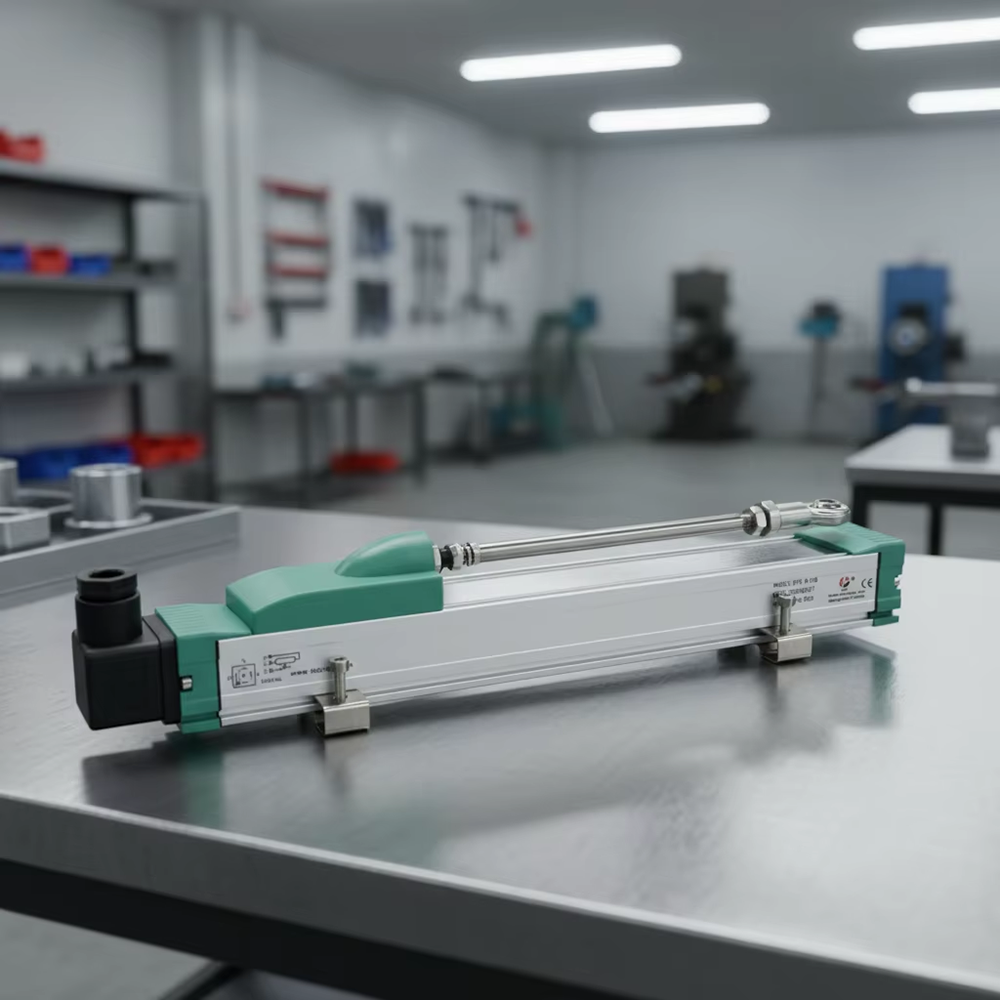
Basically, it’s a device that takes the straight-line movement of an object and turns it into an electrical signal that matches that movement proportionally. These gadgets usually measure how much something has shifted by picking up tiny changes in position—using parts like potentiometers, LVDTs (which you might hear called Linear Variable Differential Transformers), or even piezoelectric elements.
Here’s the deal: when an object moves, these transducers change that physical displacement into an electrical signal. That signal then gets converted into digital data, which makes it super easy to analyze and monitor. This whole process is a game-changer when you need pinpoint accuracy and real-time updates on position.
Where are they used, and what’s so great about them?
You’ll find these transducers everywhere. In the automotive world, they help test how engine parts move relative to each other. In manufacturing, they make sure equipment is operating within the right tolerances—keeping quality top-notch. They’re also big players in automation systems, giving real-time feedback so machines can move just right. And in aerospace? They’re used in hydraulic and pneumatic systems where precision isn’t just nice—it's essential.
Why are they so versatile and precise? Well, these transducers can handle all sorts of environments, from tough industrial conditions to sensitive lab setups. Their accuracy helps produce more reliable products, cuts down on waste, and even makes workplaces safer.
Plus, they’re super compatible with digital tech. As industries lean more and more into automation and smart systems, having measurement tools that plug right into digital networks is a huge advantage.
Wrapping it up
Getting to know and use linear displacement transducers can seriously boost how accurately you can measure things. And with tech constantly advancing, these devices just keep getting better—more precise, more integrated. They’re a cornerstone of modern engineering and manufacturing, really shaping the future of precision measurement. So, whether you’re into building, testing, or innovating, these tools are bound to stay relevant and important for a long time to come.