 EN
EN

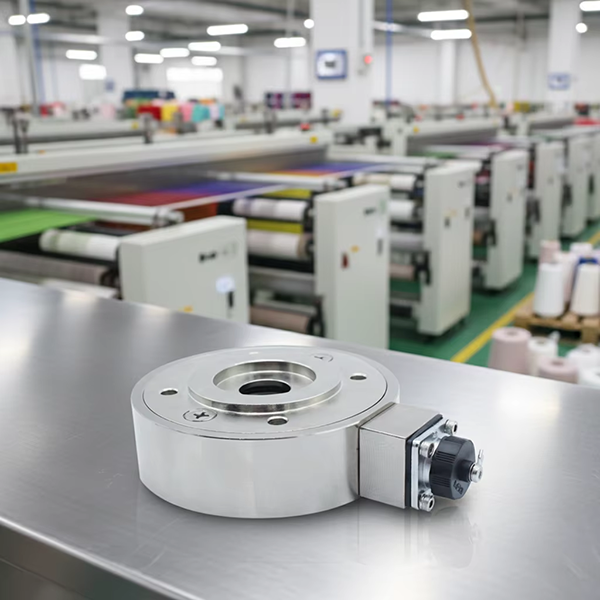
In recent years, South America's industrial landscape has been undergoing a remarkable transformation, driven by a surge in infrastructure development, technological adoption, and a growing focus on operational efficiency. At the heart of this evolution lies a critical yet often underappreciated component: the industrial load cell. These precision devices, which measure force and weight with unparalleled accuracy, have become indispensable across a wide range of sectors in the region, playing a pivotal role in enhancing productivity, ensuring safety, and driving sustainable growth.
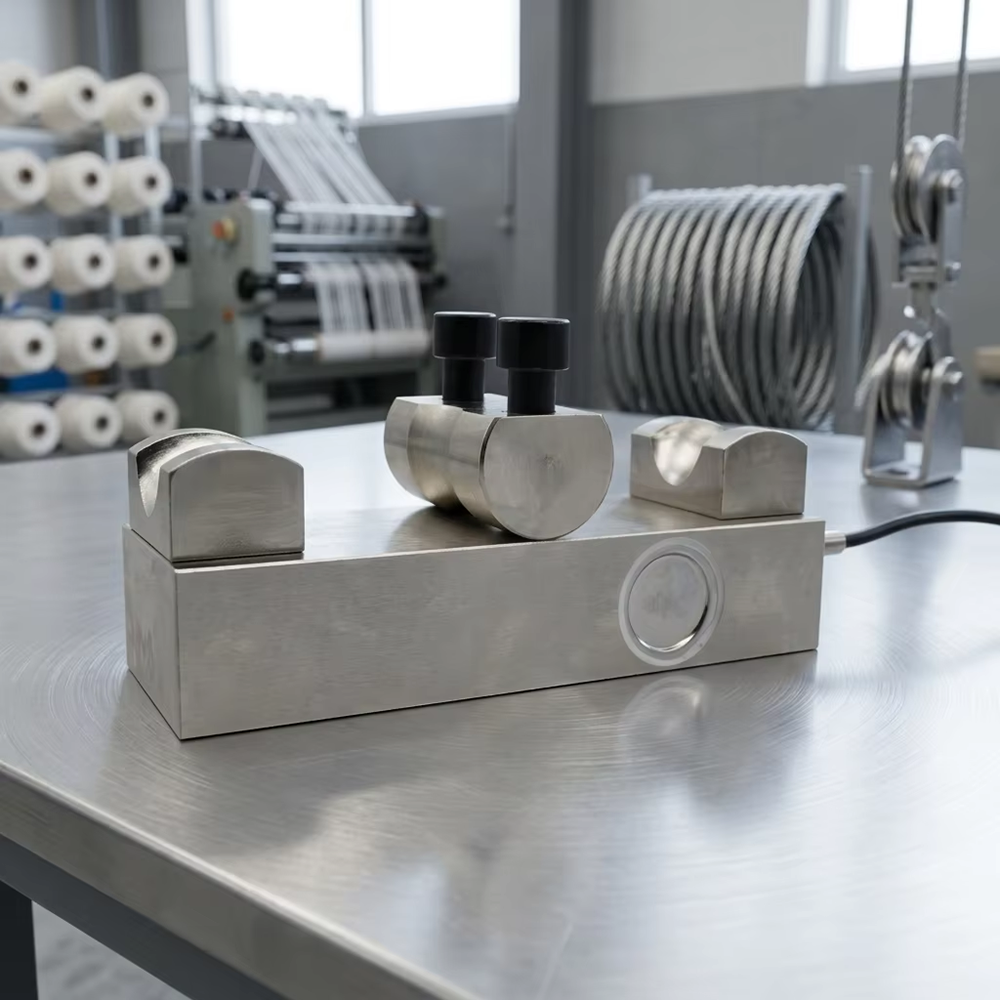
One of the primary sectors where industrial load cells have made a significant impact is mining. South America is home to some of the world's largest mining operations, spanning countries like Chile, Peru, and Brazil. In this demanding environment, load cells are integrated into heavy-duty equipment such as conveyor belts, crushers, and hoppers, providing real-time data on material flow and weight. This information not only helps optimize production processes but also enables proactive maintenance, reducing downtime and minimizing the risk of equipment failure. Additionally, load cells are used in weighing trucks and railcars, ensuring accurate measurement of mined materials and preventing revenue loss due to underweight shipments.
The agriculture industry, another cornerstone of South America's economy, has also embraced the benefits of industrial load cells. In countries like Argentina, Brazil, and Uruguay, which are major exporters of soybeans, corn, and beef, load cells are used in grain silos, livestock scales, and harvesting equipment. By providing precise weight measurements, these devices help farmers optimize inventory management, ensure fair pricing during transactions, and comply with quality control standards. Moreover, load cells are increasingly being integrated into smart farming systems, enabling data-driven decision-making and improving overall farm efficiency.
The construction sector, which is experiencing a boom in South America due to urbanization and infrastructure investment, is another key user of industrial load cells. These devices are used in cranes, forklifts, and concrete mixing equipment, ensuring safe and efficient lifting and handling of heavy materials. Load cells also play a crucial role in structural testing, helping engineers assess the integrity of buildings, bridges, and other infrastructure projects. By providing accurate load data, they enable the design of safer and more durable structures, contributing to the region's sustainable development.
Looking ahead, the demand for industrial load cells in South America is expected to continue growing, driven by ongoing industrialization, technological advancements, and the increasing focus on quality and safety. As the region's industries become more sophisticated and competitive, the role of load cells in enabling efficient and reliable operations will only become more critical. Whether in mining, agriculture, construction, or other sectors, these small but powerful devices are set to remain at the forefront of South America's industrial transformation.