 EN
EN

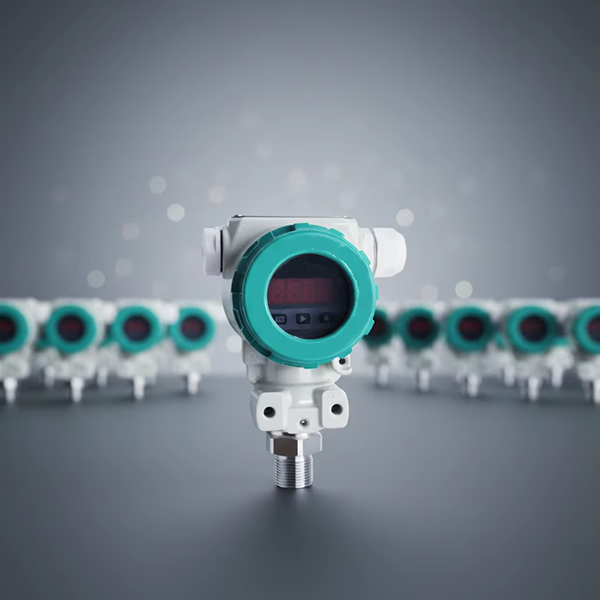
If you work in industrial automation, you’ve probably noticed pressure transmitters popping up everywhere—and for good reason. These tiny but mighty devices turn pressure data into actionable insights, keeping factories, refineries, and water treatment plants running smoothly. But where exactly are they in highest demand? Let’s break down the global hotspots.
Asia Pacific is leading the charge, and it’s not even close. Countries like China and India are investing billions in infrastructure, from expanding water treatment facilities to building smart factories. In 2024, the region held nearly 38% of the global market share, and that number’s only growing. Factories here rely on transmitters to monitor everything from hydraulic systems in automotive plants to chemical reactor pressures in facilities. Plus, with governments pushing for energy efficiency, these devices help cut waste by optimizing processes—something manufacturers can’t afford to ignore.
North America is another big player, driven by the oil and gas sector. Offshore rigs in the Gulf of Mexico use rugged, wireless pressure transmitters to monitor pipeline integrity in remote, harsh conditions. Meanwhile, the U.S. water treatment industry is upgrading aging infrastructure, installing transmitters to track water flow and pressure in distribution networks. Even the food and beverage sector is getting in on the action, using hygienic transmitters to ensure precise pressure in brewing and dairy processing.
Europe, though more mature, is still seeing steady growth. Strict environmental regulations are forcing industries like chemical manufacturing to invest in better monitoring systems. Pressure transmitters help companies comply with emissions standards by tracking gas leaks and optimizing energy use. Germany’s automotive industry, in particular, uses high-precision transmitters in engine testing and assembly lines, where even a tiny pressure deviation can cause costly defects.
What’s driving this global surge? It’s a mix of industrial automation, IoT integration, and a growing focus on safety and sustainability. Wireless transmitters, in particular, are gaining traction because they’re cheaper to install and can be placed in hard-to-reach areas. And as more industries adopt predictive maintenance, these devices are becoming the eyes and ears of smart factories, alerting teams to potential issues before they become disasters.
So whether you’re in Shanghai, Houston, or Berlin, pressure transmitters aren’t just a trend—they’re a necessity. As the world continues to industrialize and digitize, these unsung heroes will keep powering the processes we rely on every day.