 EN
EN

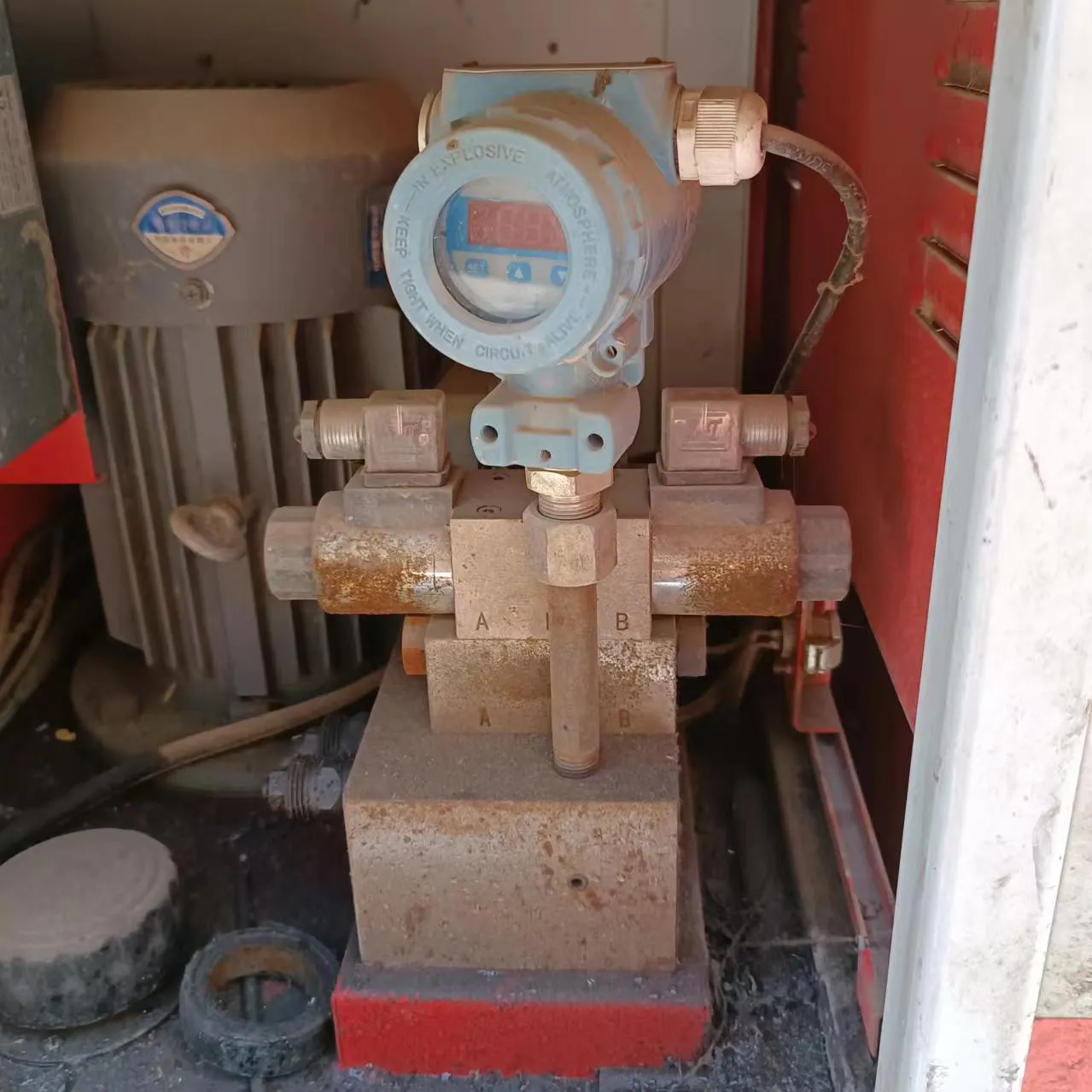
Modern industrial operations depend heavily on accurate and continuous monitoring of fluid pressure systems. A pressure transmitter serves as the cornerstone of effective pressure measurement, converting physical pressure signals into standardized electrical outputs that enable real-time monitoring and control. These sophisticated devices have revolutionized how engineers and operators manage complex fluid systems across industries ranging from oil and gas to water treatment facilities.
The fundamental role of a pressure transmitter extends beyond simple measurement, encompassing safety monitoring, process optimization, and regulatory compliance. In today's interconnected industrial landscape, these devices integrate seamlessly with digital control systems, enabling operators to make informed decisions based on precise, real-time pressure data. Understanding how pressure transmitters function and their applications helps organizations implement more effective monitoring strategies.
Understanding Pressure Transmitter Technology
Core Operating Principles
A pressure transmitter operates on the fundamental principle of converting mechanical pressure forces into proportional electrical signals. The device typically employs a sensing element, such as a diaphragm or bourdon tube, that deforms under pressure variations. This mechanical displacement is then converted into an electrical signal through various technologies including capacitive, resistive, or piezoelectric sensing methods.
The sensing mechanism within a pressure transmitter responds to pressure changes by altering its physical characteristics. Capacitive sensors modify their capacitance values, while strain gauge sensors change their electrical resistance. These minute variations are amplified and conditioned by sophisticated electronics to produce standardized output signals that can be easily interpreted by control systems and monitoring equipment.
Signal conditioning circuitry plays a crucial role in ensuring measurement accuracy and stability. Advanced pressure transmitter designs incorporate temperature compensation, linearization algorithms, and digital signal processing to minimize errors and enhance measurement precision across varying environmental conditions.
Signal Output Standards
Modern pressure transmitter units provide standardized output signals that facilitate integration with diverse control and monitoring systems. The most common output formats include 4-20 mA current loops, 0-10 V voltage signals, and digital communication protocols such as HART, Modbus, or Foundation Fieldbus. These standardized outputs ensure compatibility across different manufacturers and system architectures.
The 4-20 mA current loop remains the industry standard for analog pressure transmitter applications due to its noise immunity and ability to transmit power and signal over the same wire pair. The 4 mA level typically represents the minimum measured pressure, while 20 mA corresponds to the maximum range value, providing a linear relationship that simplifies calibration and interpretation.
Digital communication protocols offer enhanced functionality beyond basic pressure measurement. These advanced pressure transmitter systems can provide diagnostic information, configuration parameters, and multiple process variables through a single communication interface, reducing installation complexity and maintenance requirements.
Real-Time Monitoring Capabilities
Continuous Data Acquisition
Real-time monitoring through pressure transmitter technology enables continuous data acquisition at frequencies ranging from several measurements per second to millisecond intervals. This high-speed data collection allows operators to detect rapid pressure changes, transients, and anomalies that might otherwise go unnoticed with traditional periodic measurement methods.
The continuous nature of pressure transmitter monitoring provides operators with immediate visibility into system conditions. Rapid response times, typically measured in milliseconds, ensure that pressure variations are detected and reported without significant delay. This immediate feedback capability is essential for maintaining safe operating conditions and optimizing process performance.
Advanced pressure transmitter systems incorporate local data storage and trending capabilities, allowing operators to review historical pressure patterns and identify long-term trends that may indicate equipment degradation or process optimization opportunities.
Alarm and Safety Integration
Real-time pressure monitoring through transmitter technology enables sophisticated alarm and safety system integration. Programmable alarm thresholds can be configured to trigger immediate notifications when pressure values exceed predetermined limits, ensuring rapid response to potentially dangerous conditions.
Safety instrumented systems rely heavily on pressure transmitter inputs to initiate protective actions such as emergency shutdowns, valve closures, or process isolations. The high reliability and fast response characteristics of modern pressure transmitters make them ideal for safety-critical applications where equipment protection and personnel safety are paramount.
Multi-level alarm configurations allow pressure transmitter systems to provide graduated warnings as conditions approach critical thresholds. Early warning alarms enable proactive maintenance and operational adjustments, while emergency alarms trigger immediate protective actions to prevent equipment damage or safety incidents.
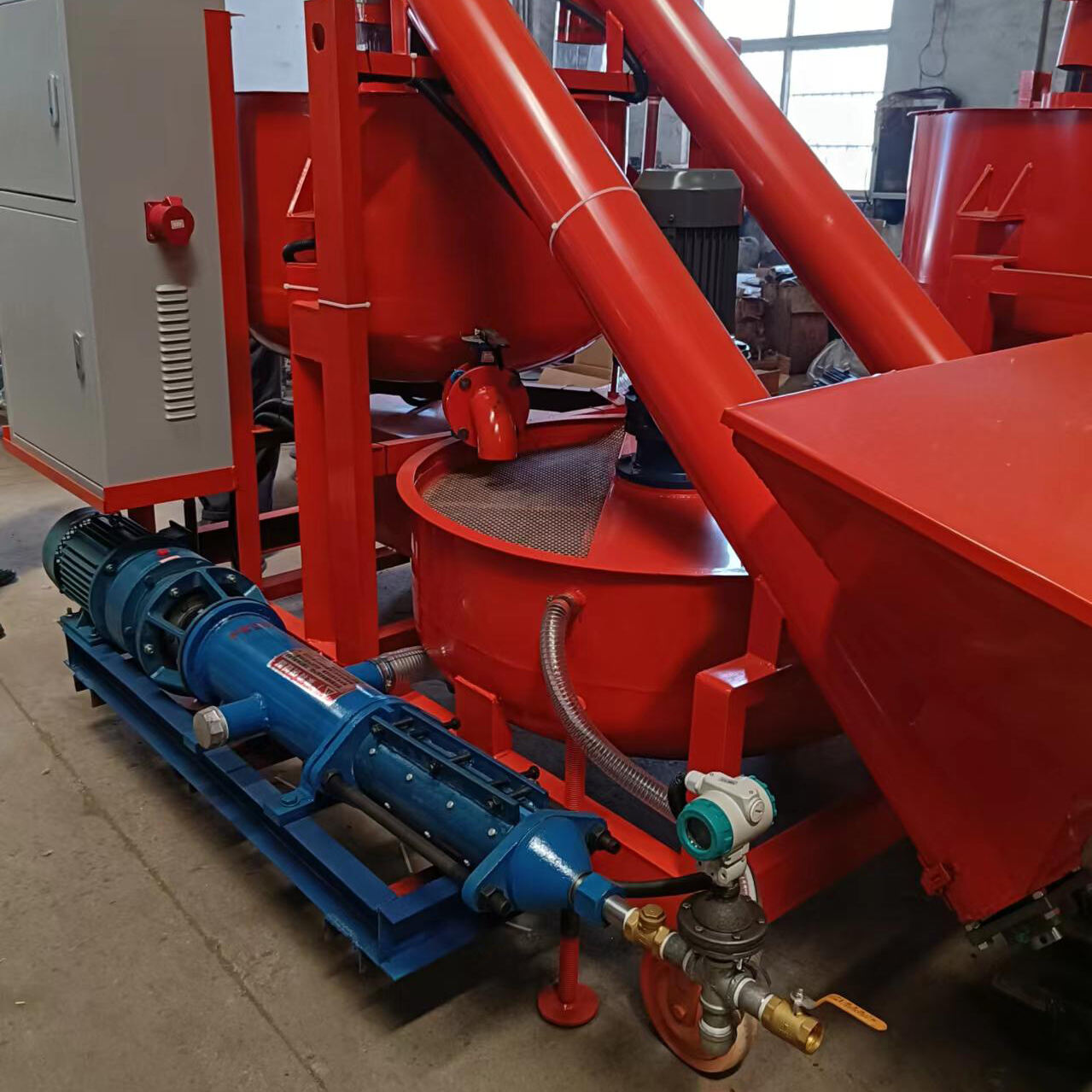
Industrial Applications and Benefits
Process Industry Applications
Chemical processing facilities extensively utilize pressure transmitter technology for monitoring reactor pressures, distillation column operations, and pipeline systems. Accurate pressure measurement ensures optimal reaction conditions, prevents equipment overpressure, and maintains product quality standards. The chemical industry particularly benefits from corrosion-resistant pressure transmitter designs that withstand aggressive process media.
Pharmaceutical manufacturing requires precise pressure control for sterile processing, tablet compression, and fluid handling systems. Pressure transmitter installations in pharmaceutical applications must meet stringent hygiene standards and provide validation documentation for regulatory compliance. Sanitary designs with smooth surfaces and cleanable connections ensure product purity.
Food and beverage processing operations depend on pressure transmitter monitoring for pasteurization systems, beverage carbonation, and packaging equipment. Maintaining proper pressures ensures food safety, product consistency, and packaging integrity while minimizing waste and energy consumption.
Energy Sector Implementation
Oil and gas operations represent one of the largest applications for pressure transmitter technology. Wellhead monitoring, pipeline transportation, and refinery processing all require accurate pressure measurement for safe and efficient operations. Explosion-proof pressure transmitter designs enable safe operation in hazardous environments where flammable gases may be present.
Power generation facilities utilize pressure transmitter systems for boiler monitoring, steam system control, and cooling water management. Coal-fired, natural gas, and nuclear power plants all depend on precise pressure measurement for efficient energy conversion and safety system operation. High-temperature pressure transmitter variants withstand the extreme conditions found in power generation applications.
Renewable energy systems, including wind and solar installations, incorporate pressure transmitter monitoring for hydraulic systems, cooling circuits, and energy storage applications. These installations often require pressure transmitter units with enhanced environmental protection and remote monitoring capabilities.
System Integration and Connectivity
Digital Communication Protocols
Modern pressure transmitter designs incorporate advanced digital communication capabilities that extend far beyond simple analog signal transmission. HART protocol enables bidirectional communication over existing 4-20 mA wiring, allowing remote configuration, calibration, and diagnostic information retrieval without additional wiring infrastructure.
Fieldbus protocols such as Foundation Fieldbus and Profibus provide comprehensive digital integration capabilities for pressure transmitter networks. These systems enable multiple devices to share a single communication cable while providing advanced features including distributed control, predictive maintenance information, and seamless integration with plant-wide control systems.
Ethernet-based protocols increasingly provide pressure transmitter connectivity for modern industrial IoT applications. These high-speed communication links enable real-time data sharing, cloud connectivity, and integration with enterprise-level monitoring and analytics platforms.
Control System Integration
Distributed Control Systems readily integrate pressure transmitter signals for comprehensive process monitoring and control. The standardized outputs from pressure transmitter devices seamlessly interface with PLC inputs, enabling automated control responses based on pressure conditions. Advanced control algorithms utilize pressure transmitter feedback for precise process regulation.
SCADA systems aggregate pressure transmitter data from multiple locations, providing operators with centralized monitoring capabilities and historical data analysis. The integration of pressure transmitter information with other process variables enables comprehensive system visibility and optimized decision-making.
Human Machine Interface systems display pressure transmitter data in user-friendly formats, including graphical trends, alarm summaries, and operational dashboards. These visualization tools help operators quickly identify pressure-related issues and make informed operational adjustments.
Maintenance and Calibration Considerations
Preventive Maintenance Strategies
Effective pressure transmitter maintenance programs incorporate regular inspection, calibration verification, and preventive component replacement. Routine visual inspections identify potential issues such as corrosion, mechanical damage, or connection problems before they impact measurement accuracy or system reliability.
Calibration schedules for pressure transmitter installations depend on application criticality, environmental conditions, and regulatory requirements. Many pressure transmitter designs include built-in diagnostic capabilities that continuously monitor sensor performance and alert operators to calibration drift or component degradation.
Documentation management plays a crucial role in pressure transmitter maintenance programs. Maintaining calibration certificates, maintenance records, and performance trend data enables predictive maintenance strategies and regulatory compliance demonstration.
Troubleshooting and Diagnostics
Advanced pressure transmitter diagnostics provide valuable information for troubleshooting measurement anomalies and system malfunctions. Self-diagnostic capabilities can identify sensor degradation, electronic component failures, and communication problems, enabling targeted maintenance activities.
Signal validation techniques compare pressure transmitter readings with redundant measurements or process models to identify potential calibration drift or sensor failures. These validation methods enhance system reliability and provide early warning of measurement problems.
Remote diagnostic capabilities enable pressure transmitter monitoring from centralized locations, reducing the need for field visits and enabling rapid response to measurement issues. Advanced diagnostic information helps maintenance technicians prepare appropriate tools and replacement parts before traveling to remote installations.
FAQ
What is the typical accuracy range for industrial pressure transmitters
Industrial pressure transmitter accuracy typically ranges from ±0.075% to ±0.25% of full scale, depending on the technology and application requirements. High-performance models designed for critical applications can achieve accuracies as tight as ±0.04% of full scale. The accuracy specification includes combined effects of linearity, hysteresis, and repeatability under reference conditions. Temperature effects and long-term stability are specified separately and should be considered when evaluating overall measurement uncertainty for specific applications.
How often should pressure transmitters be calibrated
Calibration frequency for pressure transmitter installations varies based on application criticality, environmental conditions, and regulatory requirements. General industrial applications typically require annual calibration verification, while safety-critical systems may need quarterly or semi-annual calibration checks. Process conditions such as high temperatures, corrosive media, or vibration may necessitate more frequent calibration intervals. Modern digital pressure transmitter units with self-diagnostic capabilities can extend calibration intervals by providing continuous monitoring of sensor performance and measurement drift.
Can pressure transmitters operate in hazardous environments
Yes, pressure transmitter designs are available for hazardous environment applications with appropriate certifications such as ATEX, IECEx, and FM approvals. Explosion-proof and intrinsically safe pressure transmitter variants enable safe operation in areas where flammable gases, vapors, or dust may be present. These specialized designs incorporate protective enclosures, current limiting circuits, and temperature restrictions to prevent ignition of explosive atmospheres. Selection of appropriate hazardous area pressure transmitter models requires careful consideration of area classification, gas group, and temperature class requirements.
What maintenance is required for pressure transmitter installations
Routine pressure transmitter maintenance includes visual inspection of mounting hardware, electrical connections, and protective enclosures. Process connections should be checked for leaks, corrosion, or blockage that could affect measurement accuracy. Electrical connections require periodic inspection and tightening to maintain signal integrity. Many modern pressure transmitter designs include self-diagnostic capabilities that continuously monitor sensor performance and provide predictive maintenance information. Calibration verification, typically performed annually, ensures continued measurement accuracy. Documentation of all maintenance activities supports regulatory compliance and enables trend analysis for predictive maintenance programs.