 EN
EN

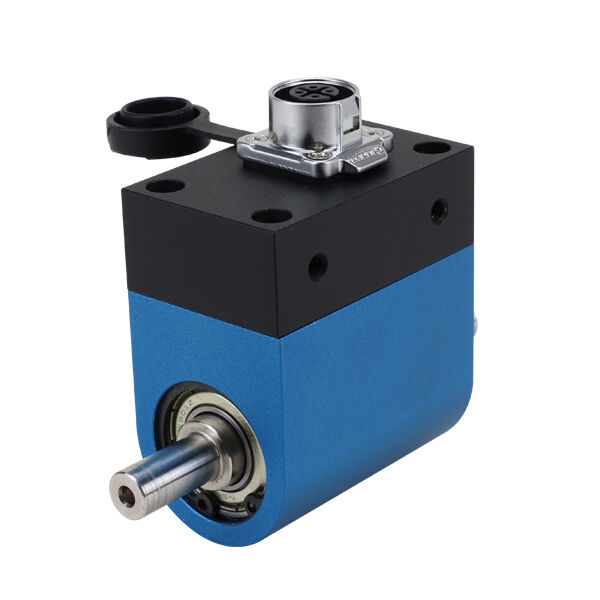
Precision measurement of rotational force in modern engines requires sophisticated instrumentation capable of delivering consistent, accurate results across demanding operational environments. A torque transducer serves as the cornerstone technology for quantifying twisting forces within rotating systems, providing essential data for engine optimization, performance validation, and mechanical analysis. These advanced sensing devices transform mechanical torque into measurable electrical signals, enabling engineers to monitor engine performance with exceptional precision and reliability.
Fundamental Principles of Torque Measurement Technology
Strain Gauge Technology in Rotational Force Detection
The operational foundation of a torque transducer relies on strain gauge technology, which converts mechanical deformation into proportional electrical resistance changes. When rotational force acts upon the transducer shaft, microscopic structural deformations occur within the sensing element. These deformations alter the electrical resistance of strategically positioned strain gauges, creating measurable voltage variations that correspond directly to applied torque values.
Advanced torque transducer designs incorporate multiple strain gauge configurations to maximize sensitivity while minimizing temperature effects and cross-axis interference. The Wheatstone bridge circuit arrangement amplifies resistance changes and provides temperature compensation, ensuring measurement accuracy across varying operational conditions. This sophisticated sensing approach enables detection of torque variations as small as 0.01% of full scale, making it ideal for precise engine performance analysis.
Signal Processing and Data Conversion Methods
Modern torque transducer systems employ sophisticated signal conditioning circuits to process raw strain gauge outputs into usable measurement data. Analog-to-digital conversion techniques transform continuous voltage signals into discrete digital values, facilitating integration with computer-based data acquisition systems. Signal amplification stages boost weak strain gauge outputs to levels suitable for accurate digitization while maintaining signal integrity throughout the measurement chain.
Digital filtering algorithms remove electrical noise and mechanical vibrations that could compromise measurement accuracy. These processing techniques ensure that the torque transducer delivers clean, reliable data suitable for critical engine analysis applications. Real-time signal processing capabilities enable instantaneous torque monitoring, supporting dynamic engine testing protocols and performance optimization procedures.
Applications in Engine Performance Measurement
Automotive Engine Testing and Development
Automotive manufacturers rely heavily on torque transducer technology for comprehensive engine testing throughout development cycles. These precision instruments measure crankshaft torque output across varying RPM ranges, enabling engineers to optimize combustion efficiency, fuel injection timing, and valve configurations. The ability to capture torque variations with millisecond resolution provides insights into engine behavior that would otherwise remain undetectable.
Dynamometer testing facilities integrate high-capacity torque transducer systems to evaluate engine performance under controlled laboratory conditions. These installations support durability testing, emissions certification, and performance validation protocols required for regulatory compliance. The precise torque measurements obtained through these systems directly influence engine calibration strategies and design modifications that improve overall vehicle performance.
Marine and Industrial Engine Monitoring
Marine propulsion systems utilize specialized torque transducer configurations designed to withstand harsh environmental conditions while maintaining measurement accuracy. These robust sensing systems monitor propeller shaft torque in real-time, providing valuable data for vessel performance optimization and mechanical system health monitoring. The corrosion-resistant construction and sealed electronics ensure reliable operation in saltwater environments.
Industrial generators and heavy machinery applications demand continuous torque monitoring to prevent mechanical failures and optimize operational efficiency. The torque transducer systems deployed in these environments must withstand extreme temperatures, vibrations, and electromagnetic interference while delivering consistent measurement accuracy. Advanced diagnostic capabilities enable predictive maintenance strategies that reduce downtime and extend equipment lifespan.
Installation Considerations and Mechanical Integration
Shaft Coupling and Alignment Requirements
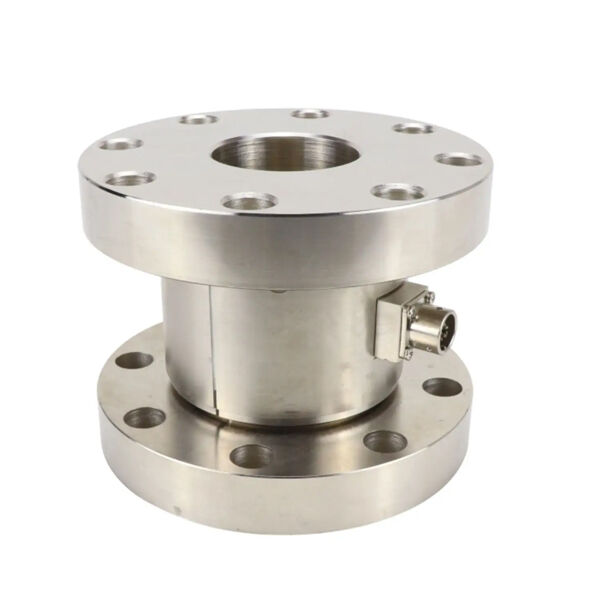
Proper mechanical installation represents a critical factor in achieving optimal torque transducer performance within engine systems. Precise shaft alignment ensures that measured forces correspond accurately to actual engine torque without introducing measurement errors from mechanical misalignment. Flexible couplings accommodate minor alignment variations while maintaining torque transmission fidelity between the engine and measurement system.
Installation procedures must account for thermal expansion effects that occur during engine operation. Temperature-induced dimensional changes can introduce apparent torque variations if not properly compensated through mechanical design or software correction algorithms. Professional installation techniques minimize these effects while ensuring long-term measurement stability and accuracy.
Environmental Protection and Housing Design
Engine compartments present challenging operational environments characterized by elevated temperatures, vibrations, and potential contamination from oils and fluids. Effective torque transducer installations require protective housings that shield sensitive electronics while maintaining mechanical accessibility for maintenance procedures. Sealed connector systems prevent moisture ingress that could compromise measurement accuracy or damage sensitive components.
Vibration isolation techniques protect the torque transducer from engine-generated mechanical disturbances that could introduce measurement noise or structural fatigue. Elastomeric mounting systems and balanced shaft designs minimize unwanted accelerations while preserving torque measurement sensitivity. These protective measures ensure reliable operation throughout extended testing campaigns and continuous monitoring applications.
Calibration Procedures and Accuracy Verification
Traceable Calibration Standards and Methods
Maintaining measurement accuracy requires regular calibration procedures that establish traceability to national measurement standards. Professional torque transducer calibration employs deadweight systems or calibrated reference transducers to verify measurement accuracy across the full operating range. These procedures document measurement uncertainties and establish confidence intervals for reported torque values.
Multi-point calibration protocols verify linearity characteristics and identify potential drift or degradation in torque transducer performance. Temperature compensation factors are validated across operational temperature ranges to ensure accuracy under varying environmental conditions. Documentation of calibration results provides quality assurance records required for regulatory compliance and technical reporting requirements.
Field Verification and Ongoing Quality Assurance
Regular field verification procedures maintain torque transducer accuracy between formal calibration intervals. Portable reference standards enable on-site accuracy checks without removing the transducer from service installations. These verification procedures identify potential measurement drift or degradation before they compromise test results or operational decisions.
Statistical process control techniques monitor measurement repeatability and identify trends that might indicate developing calibration issues. Automated monitoring systems can alert operators to accuracy deviations that exceed acceptable tolerances, enabling prompt corrective action. These quality assurance measures ensure that torque transducer measurements maintain the precision required for critical engine analysis applications.
Data Acquisition and Analysis Systems
High-Speed Data Collection Technologies
Modern engine testing applications require data acquisition systems capable of capturing torque transducer signals at sampling rates exceeding 10,000 samples per second. High-resolution analog-to-digital converters preserve measurement precision while accommodating rapid torque variations associated with engine firing events and load transients. Multi-channel systems enable simultaneous monitoring of multiple torque measurement points within complex engine installations.
Real-time processing capabilities support immediate analysis of torque patterns and identification of anomalous conditions during engine operation. Digital filtering algorithms remove unwanted frequency components while preserving essential torque information required for performance analysis. These advanced processing techniques enable extraction of detailed engine behavior characteristics from raw torque transducer data streams.
Integration with Engine Management Systems
Contemporary engine control systems increasingly integrate torque transducer feedback to optimize combustion parameters and improve operational efficiency. Closed-loop control algorithms utilize real-time torque measurements to adjust fuel injection timing, boost pressure, and exhaust gas recirculation rates. This integration enables adaptive engine management strategies that respond automatically to changing operational conditions.
Communication protocols such as CAN bus and Ethernet enable seamless integration between torque transducer systems and engine control units. Standardized data formats facilitate information exchange while maintaining compatibility across different manufacturer platforms. These integration capabilities support advanced engine management features that enhance performance while reducing emissions and fuel consumption.
Advanced Features and Technology Innovations
Wireless Data Transmission Capabilities
Emerging torque transducer technologies incorporate wireless data transmission capabilities that eliminate traditional slip ring systems and their associated maintenance requirements. Radio frequency communication protocols enable reliable data transfer from rotating shafts without physical contact, reducing mechanical complexity and improving long-term reliability. Battery-powered electronics within the rotating assembly support extended operation periods between maintenance intervals.
Digital signal processing within the rotating electronics provides local data conditioning and compression before wireless transmission. This approach minimizes bandwidth requirements while preserving essential measurement information. Error detection and correction algorithms ensure data integrity despite potential radio frequency interference from engine electrical systems and other nearby equipment.
Temperature Compensation and Environmental Adaptation
Advanced torque transducer designs incorporate sophisticated temperature compensation algorithms that maintain measurement accuracy across extreme temperature ranges encountered in engine applications. Multiple temperature sensors monitor thermal conditions at critical locations within the transducer assembly, enabling precise correction of temperature-induced measurement errors. These compensation techniques preserve accuracy specifications from sub-zero starting conditions to maximum operating temperatures.
Adaptive calibration algorithms automatically adjust measurement parameters based on environmental conditions and operational history. Machine learning techniques identify patterns in temperature effects and mechanical behavior that enable predictive compensation strategies. These innovations ensure consistent torque transducer performance throughout extended service life while minimizing manual calibration requirements.
FAQ
What factors affect torque transducer measurement accuracy in engine applications
Several environmental and mechanical factors can influence torque transducer accuracy in engine installations. Temperature variations create thermal expansion effects that must be compensated through calibration algorithms or mechanical design features. Mechanical vibrations from engine operation can introduce measurement noise that requires filtering or isolation techniques. Electrical interference from ignition systems and electronic components may affect signal quality, necessitating proper shielding and grounding practices. Additionally, shaft misalignment or coupling wear can introduce measurement errors that develop gradually over time.
How often should torque transducer calibration be performed for engine testing
Calibration frequency for torque transducer systems depends on accuracy requirements, usage intensity, and environmental conditions. Critical engine development testing typically requires annual calibration verification with traceable standards to maintain measurement confidence. High-volume production testing environments may benefit from quarterly calibration checks to ensure consistent quality control. Continuous monitoring applications should include monthly accuracy verification using portable reference standards. Any significant changes in measurement patterns or suspected mechanical damage warrant immediate calibration verification regardless of the scheduled interval.
What are the key specifications to consider when selecting a torque transducer for engine testing
Essential specifications include measurement range compatibility with expected engine torque levels, typically with 20-30% margin above maximum anticipated values. Accuracy specifications should meet or exceed testing requirements, commonly 0.1% to 0.25% of full scale for precision applications. Rotational speed capability must accommodate maximum engine RPM with appropriate safety factors. Environmental specifications covering temperature range, vibration tolerance, and ingress protection ratings ensure reliable operation in engine compartment conditions. Signal output compatibility with existing data acquisition systems simplifies integration and reduces installation complexity.
Can torque transducer systems measure both steady-state and dynamic torque variations
Modern torque transducer systems excel at measuring both steady-state torque levels and rapid dynamic variations associated with engine operation. Frequency response characteristics typically extend well beyond engine firing frequencies, enabling capture of combustion-related torque pulses and transmission system dynamics. High-speed data acquisition systems preserve temporal resolution necessary for detailed analysis of torque variations during acceleration, deceleration, and load changes. Digital filtering techniques separate steady-state values from dynamic components, supporting comprehensive engine performance characterization across all operational modes.
Table of Contents
- Fundamental Principles of Torque Measurement Technology
- Applications in Engine Performance Measurement
- Installation Considerations and Mechanical Integration
- Calibration Procedures and Accuracy Verification
- Data Acquisition and Analysis Systems
- Advanced Features and Technology Innovations
-
FAQ
- What factors affect torque transducer measurement accuracy in engine applications
- How often should torque transducer calibration be performed for engine testing
- What are the key specifications to consider when selecting a torque transducer for engine testing
- Can torque transducer systems measure both steady-state and dynamic torque variations