 EN
EN

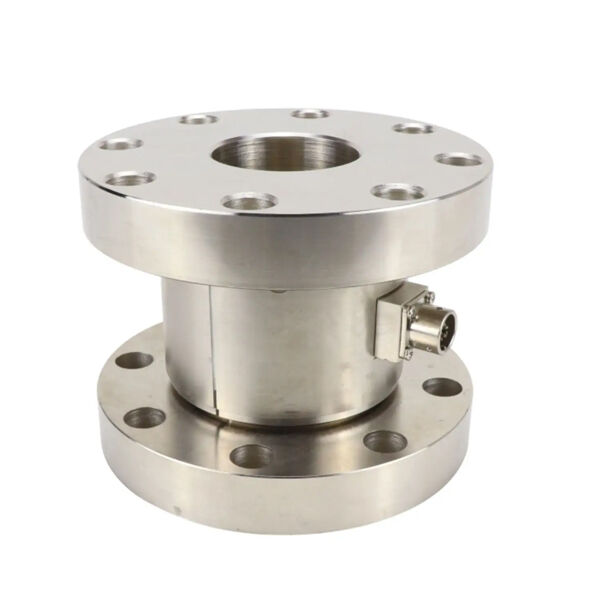
Modern automated systems demand precise monitoring and control mechanisms to maintain optimal performance across industrial applications. The integration of advanced sensing technology has revolutionized how engineers approach system optimization and reliability. Among the most critical components in this technological evolution is the torque transducer, a sophisticated device that provides real-time measurements of rotational force in mechanical systems. This precision instrument has become indispensable for manufacturers seeking to enhance their automated processes, reduce downtime, and achieve consistent quality standards.
The implementation of torque measurement technology in automated systems represents a significant advancement in industrial monitoring capabilities. Engineers and system integrators recognize that accurate torque data provides invaluable insights into equipment performance, wear patterns, and potential failure points. By incorporating a high-quality torque transducer into their monitoring infrastructure, organizations can transition from reactive maintenance strategies to predictive approaches that minimize unexpected shutdowns and optimize operational efficiency.
Fundamental Principles of Torque Measurement in Automation
Understanding Torque Dynamics in Rotating Systems
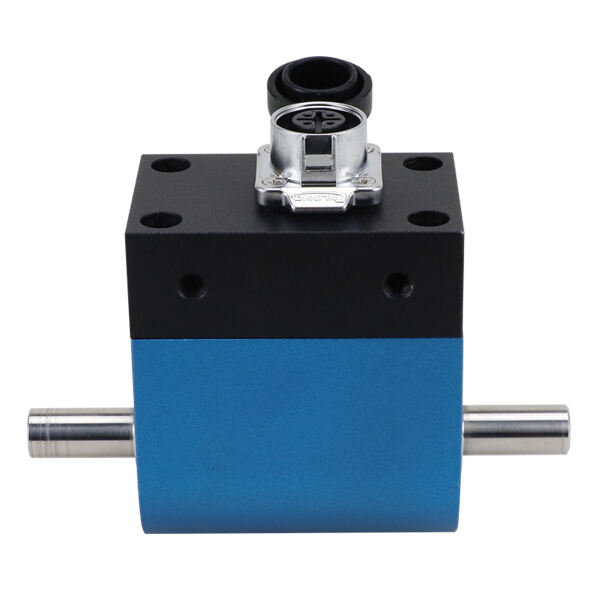
Torque measurement forms the foundation of effective performance monitoring in automated systems where rotating machinery operates continuously. The torque transducer functions by detecting the twist or deformation that occurs in a rotating shaft when force is applied, converting this mechanical strain into an electrical signal that can be processed and analyzed by control systems. This conversion process relies on strain gauge technology, which measures microscopic changes in shaft geometry under load conditions.
The accuracy and reliability of torque measurements depend heavily on the transducer's design specifications and installation methodology. Modern torque transducers incorporate advanced signal conditioning circuits that amplify and filter the raw strain signals, ensuring that the output remains stable even in challenging industrial environments characterized by electromagnetic interference, temperature fluctuations, and mechanical vibrations.
Signal Processing and Data Integration
Contemporary automated systems require seamless integration between torque measurement devices and supervisory control systems. The torque transducer generates analog or digital output signals that must be compatible with programmable logic controllers, distributed control systems, and human-machine interfaces. This integration enables real-time monitoring dashboards, automated alarm generation, and data logging capabilities that support comprehensive performance analysis.
Advanced signal processing algorithms can extract valuable performance indicators from raw torque data, including peak torque values, average operating loads, torque ripple characteristics, and trend analysis over extended operational periods. These processed metrics provide engineers with actionable insights for system optimization and maintenance planning.
Performance Enhancement Through Real-Time Monitoring
Predictive Maintenance Strategies
The implementation of continuous torque monitoring enables sophisticated predictive maintenance programs that significantly reduce unplanned downtime and maintenance costs. By establishing baseline torque signatures for normal operation, maintenance teams can identify developing problems before they result in catastrophic failures. A properly calibrated torque transducer can detect subtle changes in operating characteristics that indicate bearing wear, coupling misalignment, or load imbalances.
Predictive maintenance algorithms analyze torque data patterns to forecast when components will require attention, allowing maintenance activities to be scheduled during planned production breaks rather than emergency shutdowns. This proactive approach typically reduces maintenance costs by thirty to fifty percent while improving overall equipment effectiveness and production reliability.
Process Optimization and Quality Control
Torque monitoring provides critical feedback for process optimization initiatives in automated manufacturing systems. By correlating torque measurements with product quality metrics, engineers can establish optimal operating parameters that maximize throughput while maintaining consistent output standards. The torque transducer serves as a real-time quality indicator, enabling automatic adjustments to process variables when deviations from target values are detected.
In applications such as automated assembly, packaging, and material handling, precise torque control ensures that fastening operations, sealing processes, and component positioning meet stringent quality requirements. Statistical process control methods can be applied to torque data to identify trends and variations that might compromise product quality or indicate the need for equipment adjustments.
Industrial Applications and Use Cases
Manufacturing and Assembly Operations
Manufacturing facilities across various industries have successfully implemented torque measurement systems to enhance their automated production lines. In automotive assembly plants, torque transducers monitor critical fastening operations to ensure that wheel bolts, engine components, and safety systems are properly secured according to manufacturer specifications. The continuous monitoring capability allows for immediate detection of tool wear or calibration drift that could compromise joint integrity.
Pharmaceutical and medical device manufacturers utilize precision torque monitoring to control capping operations, ensuring that containers are sealed with the correct force to maintain product integrity while preventing damage to sensitive packaging materials. The torque transducer provides the accuracy and repeatability required for these critical applications where product safety and regulatory compliance are paramount.
Power Generation and Energy Systems
Power generation facilities rely on torque monitoring systems to optimize the performance of turbines, generators, and auxiliary equipment. Wind turbine installations use torque measurements to monitor blade pitch mechanisms, gearbox performance, and generator coupling systems. These measurements help operators maximize energy production while protecting equipment from overload conditions that could result in costly repairs or extended outages.
Traditional power plants employ torque monitoring on critical rotating equipment such as boiler feed pumps, forced draft fans, and turbine-generator sets. The continuous monitoring capability enables operators to detect developing problems early, schedule maintenance activities efficiently, and optimize equipment performance for maximum efficiency and reliability.
Technical Specifications and Selection Criteria
Accuracy and Measurement Range Requirements
Selecting the appropriate torque transducer for automated system applications requires careful consideration of measurement range, accuracy specifications, and environmental operating conditions. The measurement range must encompass the full spectrum of expected torque values while providing sufficient resolution for detecting small changes that might indicate developing problems. Accuracy specifications typically range from 0.1% to 0.5% of full scale, depending on the application requirements and budget constraints.
Dynamic response characteristics are equally important for applications involving rapidly changing loads or high-speed operations. The torque transducer must have sufficient bandwidth to capture transient events and oscillations that could provide important diagnostic information about system performance and mechanical condition.
Environmental Considerations and Protection Features
Industrial environments present numerous challenges for sensitive measurement equipment, including temperature extremes, humidity, corrosive atmospheres, and electromagnetic interference. Modern torque transducers incorporate robust protection features such as sealed housings, temperature compensation circuits, and EMI shielding to ensure reliable operation under harsh conditions.
The selection process must evaluate environmental factors such as operating temperature range, ingress protection ratings, and chemical compatibility with process fluids or cleaning agents. These considerations directly impact the long-term reliability and accuracy of the torque measurement system, influencing both initial capital costs and ongoing maintenance requirements.
Implementation Strategies and Best Practices
Installation and Calibration Procedures
Proper installation techniques are crucial for achieving optimal performance from torque measurement systems in automated applications. The torque transducer must be mounted with precise shaft alignment to prevent side loads and bending moments that could introduce measurement errors or accelerate component wear. Installation procedures typically involve specialized coupling systems that accommodate thermal expansion and minor misalignments while maintaining measurement accuracy.
Initial calibration procedures establish the relationship between applied torque and transducer output signals, creating the foundation for accurate measurements throughout the operational lifetime. Calibration protocols should include multiple loading points across the measurement range, temperature compensation verification, and linearity assessments to ensure compliance with specification requirements.
System Integration and Data Management
Successful integration of torque monitoring systems requires careful planning of data acquisition, processing, and storage capabilities. Modern automated systems generate substantial amounts of torque data that must be processed efficiently to extract meaningful performance indicators without overwhelming control system resources. Edge computing solutions can perform local data processing and analysis, reducing network traffic while providing real-time feedback for control algorithms.
Data management strategies should address long-term storage requirements, trending analysis capabilities, and integration with enterprise asset management systems. Cloud-based analytics platforms can provide advanced machine learning capabilities for pattern recognition and predictive modeling that enhance the value of torque measurement data.
FAQ
What factors should be considered when selecting a torque transducer for automated systems?
Key selection factors include measurement range and accuracy requirements, environmental operating conditions, dynamic response characteristics, and integration compatibility with existing control systems. The torque transducer must be capable of operating reliably in the specific temperature, humidity, and electromagnetic environment while providing sufficient accuracy and resolution for the intended application. Additionally, consideration should be given to calibration requirements, maintenance accessibility, and long-term availability of replacement parts and technical support.
How does torque monitoring contribute to predictive maintenance programs?
Torque monitoring enables predictive maintenance by providing continuous insight into mechanical system condition and performance trends. By establishing baseline torque signatures for normal operation, maintenance teams can identify developing problems such as bearing wear, coupling deterioration, or load imbalances before they result in equipment failures. Advanced analytics algorithms can process torque data to forecast maintenance requirements and optimize maintenance schedules, typically reducing maintenance costs and improving equipment availability.
What are the typical accuracy specifications for industrial torque transducers?
Industrial torque transducers typically offer accuracy specifications ranging from 0.1% to 0.5% of full scale, depending on the application requirements and design sophistication. High-precision applications such as calibration standards or research applications may require accuracies of 0.05% or better, while general industrial monitoring applications may accept accuracies of 0.25% to 0.5%. The selection of accuracy specifications should balance measurement requirements with cost considerations and environmental operating conditions.
How can torque measurement data be integrated with existing automation systems?
Modern torque transducers offer various output options including analog voltage or current signals, digital communication protocols such as Ethernet, Modbus, or CAN bus, and wireless transmission capabilities. Integration typically involves connecting the transducer output to programmable logic controllers, distributed control systems, or dedicated data acquisition systems. Software interfaces enable real-time monitoring, alarm generation, data logging, and integration with higher-level enterprise systems for comprehensive performance analysis and reporting.
Table of Contents
- Fundamental Principles of Torque Measurement in Automation
- Performance Enhancement Through Real-Time Monitoring
- Industrial Applications and Use Cases
- Technical Specifications and Selection Criteria
- Implementation Strategies and Best Practices
-
FAQ
- What factors should be considered when selecting a torque transducer for automated systems?
- How does torque monitoring contribute to predictive maintenance programs?
- What are the typical accuracy specifications for industrial torque transducers?
- How can torque measurement data be integrated with existing automation systems?