 EN
EN

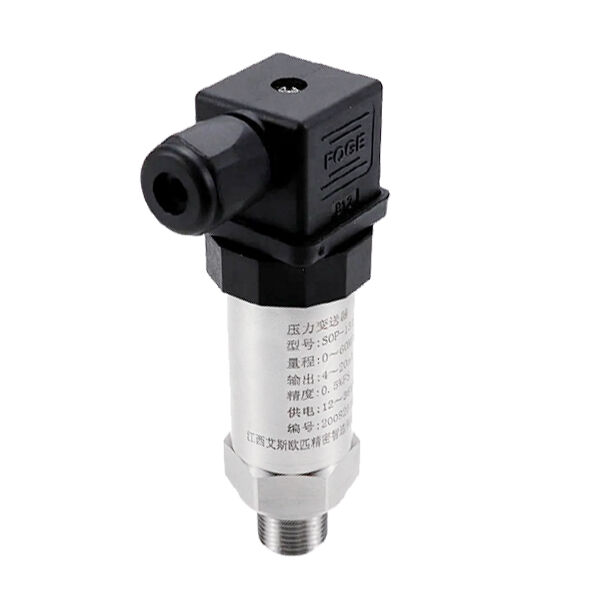
Industrial systems across manufacturing, oil and gas, chemical processing, and water treatment facilities rely heavily on accurate pressure monitoring to maintain operational excellence. A pressure transmitter serves as the critical link between system conditions and control mechanisms, providing real-time data that enables operators to make informed decisions. These sophisticated devices convert physical pressure measurements into standardized electrical signals, forming the backbone of modern process control systems
The integration of advanced pressure transmitters into industrial operations has revolutionized how facilities approach safety protocols and reliability standards. Modern pressure transmitter technology incorporates digital signal processing, smart diagnostics, and enhanced accuracy specifications that far exceed traditional mechanical gauges. Understanding how these devices enhance system performance requires examining their fundamental operating principles, advanced features, and real-world applications across diverse industrial sectors.
Understanding Pressure Transmitter Technology and Operation
Core Sensing Mechanisms and Signal Conversion
A pressure transmitter utilizes various sensing technologies to detect and measure pressure variations within industrial systems. The most common sensing elements include piezoresistive silicon sensors, capacitive diaphragms, and strain gauge configurations. Each sensing method offers distinct advantages depending on the application requirements, operating environment, and accuracy specifications. Piezoresistive sensors excel in high-pressure applications, while capacitive sensors provide exceptional stability and long-term reliability.
The signal conversion process transforms mechanical pressure forces into proportional electrical outputs, typically 4-20 mA current loops or digital communication protocols. This standardized output enables seamless integration with distributed control systems, programmable logic controllers, and supervisory control and data acquisition systems. Advanced pressure transmitter models incorporate microprocessor-based signal conditioning that compensates for temperature variations, linearity errors, and environmental influences.
Digital Communication and Smart Features
Modern pressure transmitters incorporate sophisticated digital communication capabilities that extend far beyond basic analog signal transmission. HART protocol, Foundation Fieldbus, and Profibus communication standards enable bidirectional data exchange between transmitters and control systems. These digital protocols facilitate remote configuration, diagnostic monitoring, and predictive maintenance capabilities that significantly enhance operational efficiency.
Smart pressure transmitter features include self-diagnostics, configuration storage, and process variable trending capabilities. These advanced functions enable operators to monitor transmitter health, detect potential failures before they occur, and optimize system performance through data-driven insights. The ability to access comprehensive diagnostic information remotely reduces maintenance costs and minimizes unplanned downtime.
Enhancing System Reliability Through Advanced Monitoring
Predictive Maintenance and Failure Prevention
A properly implemented pressure transmitter monitoring system provides early warning indicators that prevent catastrophic equipment failures and process disruptions. Continuous pressure monitoring enables operators to identify gradual changes in system behavior that may indicate developing problems such as valve degradation, pump wear, or pipeline restrictions. These early detection capabilities allow maintenance teams to schedule repairs during planned outages rather than responding to emergency situations.
The integration of pressure transmitter data with computerized maintenance management systems creates powerful predictive maintenance programs. Historical pressure trends combined with equipment performance data enable maintenance professionals to establish optimal service intervals and component replacement schedules. This data-driven approach significantly extends equipment life while reducing overall maintenance costs and improving system availability.
Process Optimization and Performance Monitoring
Accurate pressure measurement data from advanced transmitters enables precise process control that optimizes energy consumption, product quality, and throughput rates. Real-time pressure monitoring allows control systems to make continuous adjustments that maintain optimal operating conditions despite varying load demands and environmental changes. This level of control precision directly translates to improved efficiency and reduced operational costs.
A pressure transmitter equipped with advanced analytics capabilities can identify process inefficiencies and recommend optimization opportunities. Machine learning algorithms analyze pressure patterns to detect deviations from optimal performance parameters, enabling operators to implement corrective actions before problems impact production output or product quality.
Safety Enhancement Through Reliable Pressure Monitoring
Critical Safety System Integration
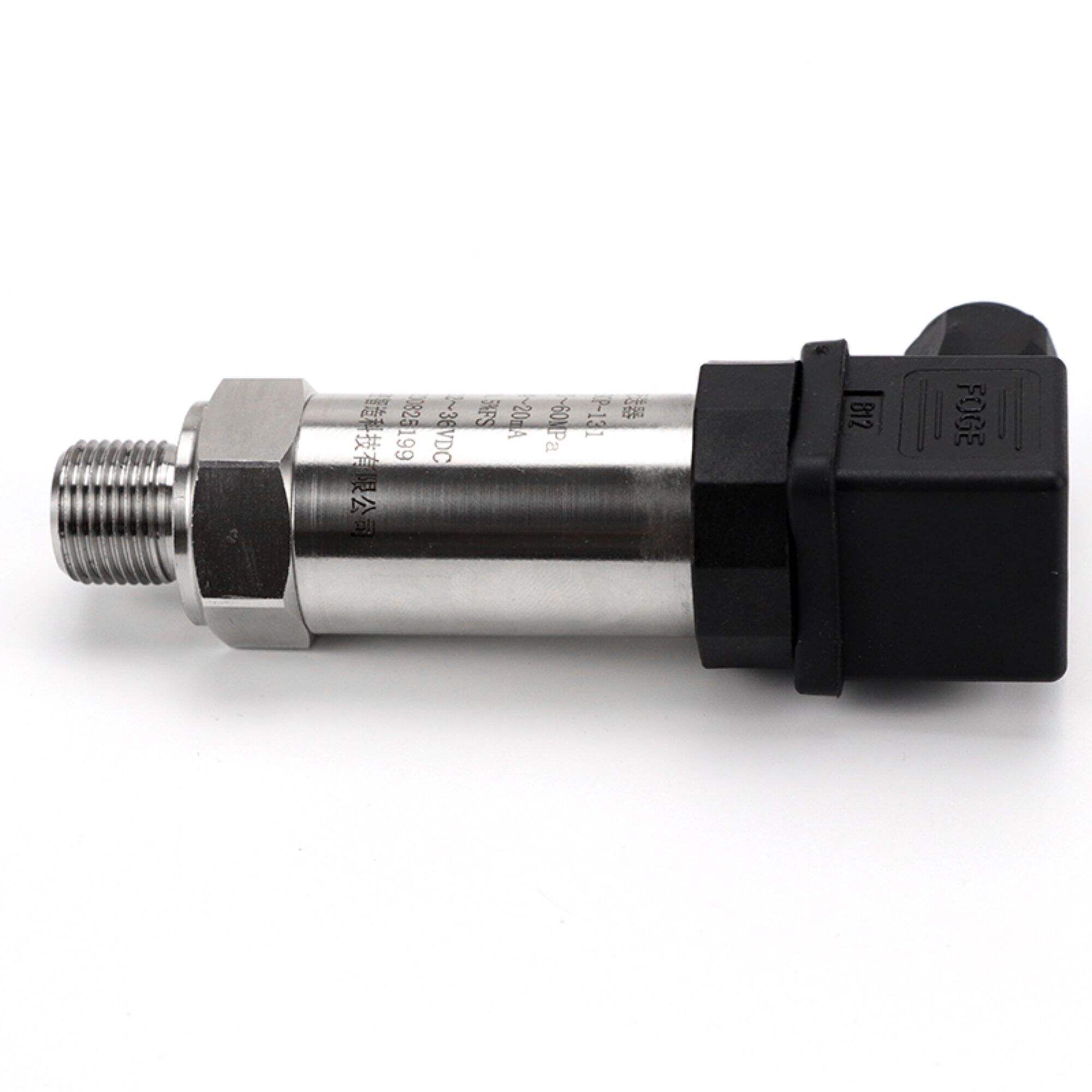
Industrial safety systems depend on accurate and reliable pressure measurements to protect personnel, equipment, and environmental resources. Pressure transmitters serve as primary sensors in safety instrumented systems that automatically initiate protective actions when dangerous conditions are detected. These systems must meet rigorous safety integrity level requirements that ensure reliable operation under all operating conditions.
The selection of appropriate pressure transmitter technology for safety applications requires careful consideration of failure modes, diagnostic coverage, and proof test intervals. Advanced pressure transmitter designs incorporate redundant sensing elements, continuous self-monitoring, and fail-safe output characteristics that maximize safety system reliability. Regular calibration and functional testing protocols ensure that safety systems respond correctly when needed.
Hazardous Area Operation and Compliance
Many industrial applications require pressure transmitters to operate safely in hazardous environments where explosive gases, vapors, or dust may be present. Intrinsically safe and explosion-proof pressure transmitter designs meet strict certification requirements that prevent ignition sources in classified locations. These specialized transmitters incorporate robust enclosures, certified barriers, and limited energy circuits that ensure safe operation in the most demanding environments.
Compliance with international safety standards such as IECEx, ATEX, and FM approvals demonstrates that pressure transmitter designs meet rigorous safety requirements. Regular recertification and maintenance procedures ensure continued compliance with evolving safety regulations and industry best practices.
Application-Specific Benefits Across Industries
Oil and Gas Sector Applications
The oil and gas industry presents unique challenges for pressure measurement systems including extreme temperatures, corrosive environments, and remote installation locations. Specialized pressure transmitters designed for these applications incorporate robust materials, extended temperature ranges, and advanced sealing technologies that ensure reliable operation in harsh conditions. Wireless pressure transmitter options eliminate the need for extensive cabling in remote locations while maintaining communication reliability.
Pipeline monitoring systems rely on distributed pressure transmitter networks to detect leaks, monitor flow rates, and ensure safe operating pressures throughout extensive distribution systems. Real-time pressure data enables rapid response to emergency situations and provides operators with comprehensive system visibility. Advanced diagnostic capabilities help identify potential problems before they escalate into major incidents.
Chemical Processing and Manufacturing
Chemical processing facilities require pressure transmitters that can withstand aggressive chemicals, extreme temperatures, and demanding accuracy requirements. Specialized wetted materials such as Hastelloy, Monel, and ceramic coatings provide exceptional corrosion resistance while maintaining long-term calibration stability. These materials ensure that pressure transmitter performance remains consistent despite exposure to harsh process conditions.
Batch processing applications benefit from pressure transmitter technology that provides precise control during critical reaction phases. Accurate pressure monitoring enables operators to maintain optimal reaction conditions that maximize yield while ensuring product quality consistency. Advanced control algorithms utilize pressure transmitter feedback to automatically adjust process parameters in response to changing conditions.
Installation and Configuration Best Practices
Proper Mounting and Connection Techniques
Successful pressure transmitter installation requires careful attention to mounting location, impulse line routing, and electrical connections. Optimal mounting positions minimize the effects of vibration, temperature variations, and process disturbances that can impact measurement accuracy. Proper impulse line design prevents condensation, freezing, and sedimentation issues that can cause measurement errors or transmitter damage.
Electrical installation practices must comply with applicable codes and standards while ensuring signal integrity and noise immunity. Proper grounding techniques, shield termination, and cable routing minimize electromagnetic interference that can degrade measurement performance. Regular inspection and maintenance of connections prevent corrosion and loosening that can cause signal degradation or safety hazards.
Calibration and Verification Procedures
Regular calibration ensures that pressure transmitter accuracy meets specification requirements throughout the device lifecycle. Calibration procedures should utilize traceable reference standards and follow documented protocols that verify both static accuracy and dynamic response characteristics. Advanced pressure transmitter models incorporate self-calibration features that reduce maintenance requirements while ensuring continued accuracy.
Verification testing confirms that pressure transmitter installation and configuration meet application requirements. Functional tests should verify alarm setpoints, output scaling, and communication parameters under simulated operating conditions. Documentation of calibration results and verification tests provides traceability for quality assurance and regulatory compliance purposes.
Future Trends and Technological Advances
Wireless and IoT Integration
The evolution of wireless communication technology is transforming pressure transmitter applications by eliminating installation costs and enabling monitoring in previously inaccessible locations. Advanced wireless pressure transmitters incorporate long-range communication protocols, extended battery life, and mesh networking capabilities that create robust monitoring networks. These technologies enable cost-effective implementation of comprehensive monitoring systems.
Internet of Things integration allows pressure transmitter data to be accessible through cloud-based platforms that provide advanced analytics and remote monitoring capabilities. Machine learning algorithms can analyze pressure patterns across multiple installations to identify optimization opportunities and predict maintenance requirements. This connectivity enables new service models and operational insights that were previously unavailable.
Advanced Materials and Sensing Technologies
Ongoing research in materials science is producing new sensing elements and housing materials that extend pressure transmitter capabilities into more demanding applications. Nanomaterial sensors offer improved sensitivity and stability while ceramic and composite materials provide enhanced corrosion resistance and temperature capabilities. These advances enable pressure transmitter deployment in applications that were previously impossible.
Microelectromechanical systems technology is creating miniaturized pressure transmitter designs that maintain high performance while reducing size and cost. These compact transmitters enable integration into space-constrained applications and original equipment manufacturer products. Advanced manufacturing techniques are reducing production costs while improving reliability and performance consistency.
FAQ
What factors should be considered when selecting a pressure transmitter for industrial applications
Key selection factors include pressure range and accuracy requirements, process temperature and pressure conditions, compatibility with process media, and electrical classification requirements for hazardous areas. Environmental conditions such as vibration, humidity, and electromagnetic interference should also be evaluated. Communication protocol compatibility with existing control systems and maintenance accessibility are important operational considerations.
How often should pressure transmitters be calibrated and maintained
Calibration frequency depends on application criticality, accuracy requirements, and operating conditions. Most industrial applications require annual calibration, while critical safety applications may require more frequent verification. Preventive maintenance should include regular inspection of connections, impulse lines, and enclosures. Advanced diagnostic features can help optimize maintenance schedules based on actual performance trends rather than fixed intervals.
Can pressure transmitters be used in explosive or hazardous environments
Yes, specially designed pressure transmitters with intrinsically safe or explosion-proof certifications are available for hazardous location installations. These transmitters meet strict safety standards that prevent ignition sources in classified areas. Proper selection requires matching the transmitter certification to the specific hazardous area classification and following installation requirements specified in the certification documentation.
What advantages do digital pressure transmitters offer over analog models
Digital pressure transmitters provide superior accuracy, stability, and diagnostic capabilities compared to analog models. Digital communication enables remote configuration, calibration verification, and comprehensive diagnostic information that reduces maintenance costs. Advanced features such as multiple process variable outputs, data logging, and predictive maintenance capabilities are only available in digital transmitter designs. Digital transmitters also offer better noise immunity and signal integrity over long cable runs.
Table of Contents
- Understanding Pressure Transmitter Technology and Operation
- Enhancing System Reliability Through Advanced Monitoring
- Safety Enhancement Through Reliable Pressure Monitoring
- Application-Specific Benefits Across Industries
- Installation and Configuration Best Practices
- Future Trends and Technological Advances
-
FAQ
- What factors should be considered when selecting a pressure transmitter for industrial applications
- How often should pressure transmitters be calibrated and maintained
- Can pressure transmitters be used in explosive or hazardous environments
- What advantages do digital pressure transmitters offer over analog models