 EN
EN

Introduction
When it comes to getting precise weight measurements, folks in the industry know how important it is to have the right gear. One tool that’s pretty much become a staple in many engineering and industrial setups is the S type load cell. Its unique shape and ability to deliver reliable results have made it a favorite for measuring tension and compression forces. In this article, I’ll walk you through the key features, benefits, and main uses of S type load cells—and how they’ve really changed the game for industries that depend on accurate load measurements.
What Are S Type Load Cells?
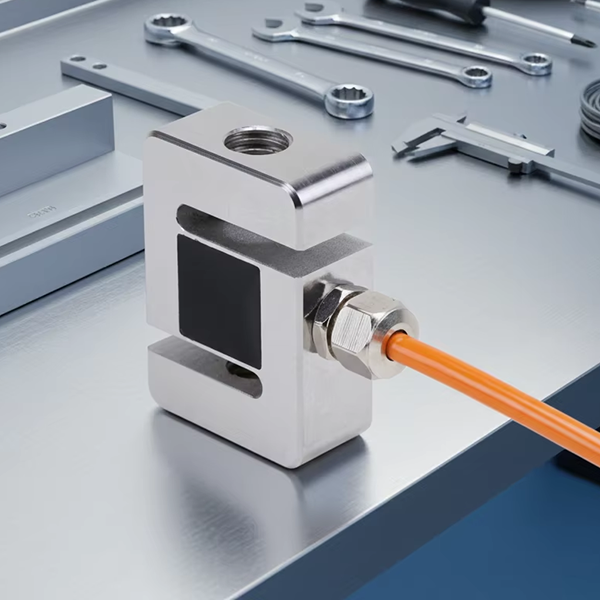
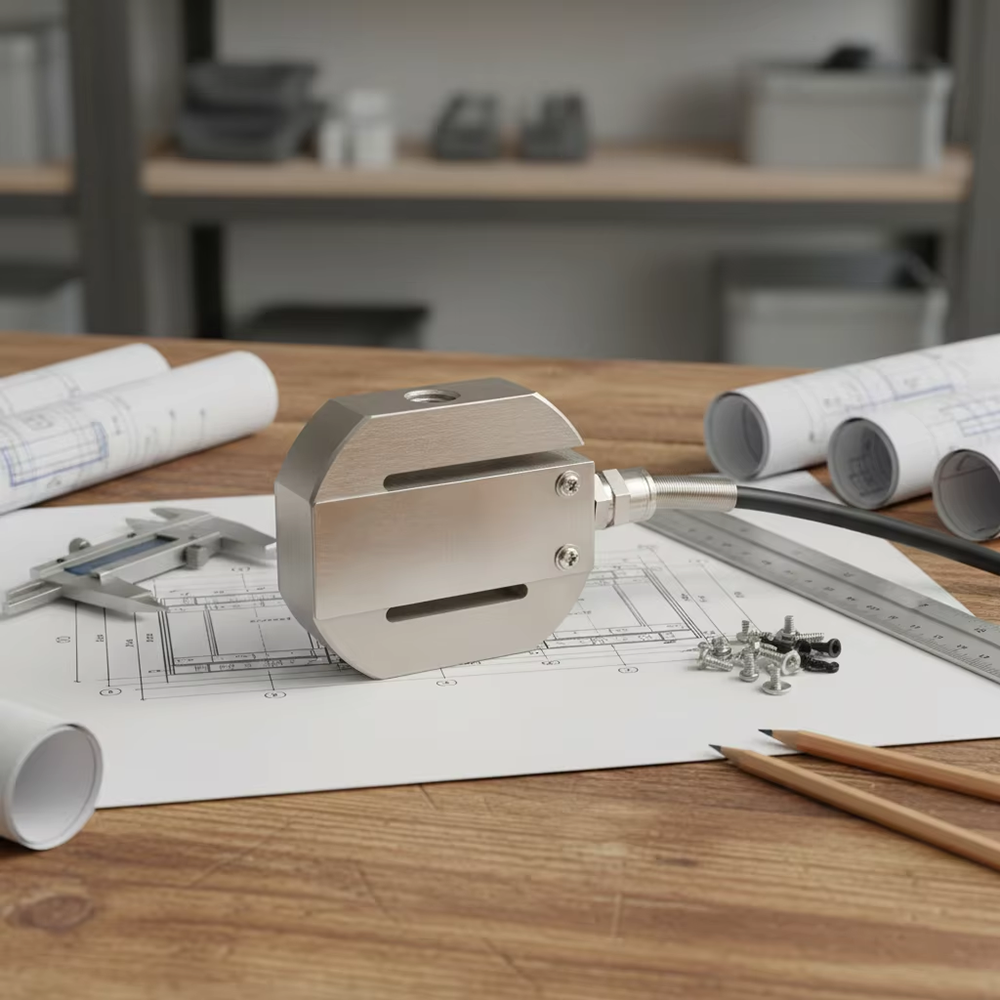
So, ‘S type’ simply describes the shape of this device—yeah, it looks like the letter ‘S.’ But it’s not just about looks; the shape actually helps the load cell do its job better. Unlike other types that might only handle one kind of force, S type load cells are designed to handle both tension (pulling forces) and compression (pushing forces) reliably. They’re usually made from tough materials like alloy steel or aluminum, which means they’re built to last—perfect for tough industrial environments where durability really counts.
Features of S Type Load Cell
1. Dual-Function Flexibility: One of the biggest perks is that they work with both tension and compression—so, versatile enough for a wide range of applications.
2. Accurate as Heck: They deliver high-precision readings with minimal drifting, plus consistent results every time—crucial when accuracy really matters.
3. Built to Last: Made from sturdy materials, these load cells can handle rough conditions, including extreme temperatures. Some models even come with sealing to keep out dust and moisture.
4. Simple to Set Up: Thanks to their compact size and straightforward design, installing them into existing systems is usually a breeze. That means less downtime and quicker results.
5. Range of Options: They come in various capacities—everything from a few kilos to several tons—so you can pick the right one for your needs.
Where Are They Used?
- Medical and Pharma: Precise measurements can make all the difference in healthcare and drug production. These load cells are key for calibrating medical tools and ensuring medications are dispensed correctly.
- Car Industry: In auto manufacturing, measuring parts accurately is super important for safety and performance. S type load cells help test the strength of car parts, playing a part in quality checks.
- Manufacturing: Basically, keeping tabs on material weights during production helps maintain product standards. These load cells make sure everything adds up just right.
- Aerospace: Up in the sky and beyond, precision and dependability are everything. S type load cells help verify the integrity of materials used in aircraft and spacecraft—making sure they meet strict industry standards.
Final Thoughts
Picking the right load cell is a big deal when you need top-notch measurement precision. The S type load cell packs a punch with its accuracy and versatility, making it a popular choice across many fields. Its durable build and reliable performance—whether measuring tension or compression—highlight just how important these tools are in today’s tech-driven world. Whether you’re testing materials for strength or calibrating medical equipment, S type load cells give you the confidence that your measurements are spot on. As industries keep pushing for better efficiency and precision, these load cells are sure to stay central in many high-tech applications.