 EN
EN

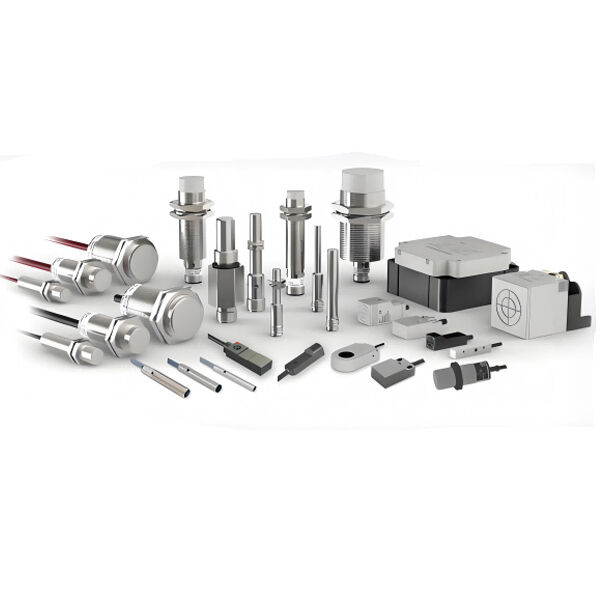
আজকের দ্রুতগতি, স্বয়ংক্রিয় বিশ্বে, কোনো বস্তুকে শারীরিক যোগাযোগ ছাড়াই সনাক্ত করার ক্ষমতা শুধু একটি সুবিধা নয়—এটি একটি অপরিহার্য প্রয়োজন। এখানেই প্রোক্সিমিটি সেন্সরগুলি কাজে লাগে। এই বুদ্ধিমান ডিভাইসগুলি অসংখ্য আধুনিক প্রযুক্তির পেছনে নীরব কর্মী, যা সিস্টেমগুলিকে নির্দিষ্ট পরিসরের মধ্যে কোনো বস্তুর উপস্থিতি বা অনুপস্থিতি সনাক্ত করতে সক্ষম করে, এবং এটি সম্পূর্ণ স্পর্শহীনভাবে করা হয়।
কিভাবে কাজ করে?
একটি নিকটবর্তী সেন্সর প্রযুক্তির উপর নির্ভর করে এটি পরিবর্তিত হয়, কিন্তু লক্ষ্যটি সার্বজনীন। ইনডাক্টিভ সেন্সরগুলি লোহাযুক্ত ও অ-লৌহ ধাতুর লক্ষ্যবস্তু সনাক্ত করতে একটি তড়িৎচৌম্বকীয় ক্ষেত্র তৈরি করে। ক্যাপাসিটিভ সেন্সরগুলি একটি তড়িৎ ক্ষেত্রের পরিবর্তন পরিমাপ করে, যা তরল, গুঁড়ো বা প্লাস্টিকের মতো অ-ধাতব বস্তু সনাক্ত করার জন্য আদর্শ। ফটোইলেকট্রিক সেন্সরগুলি বস্তু সনাক্ত করতে আলোর একটি রশ্মি—প্রায়শই অবলোহিত বা লেজার—ব্যবহার করে। প্রতিটি ধরনের সেন্সর একটি সংকেত প্রেরণ করে; যখন কোনও বস্তু দ্বারা সেই সংকেত বাধাগ্রস্ত হয় বা প্রতিফলিত হয়, তখন সেন্সরটি একটি প্রতিক্রিয়া সক্রিয় করে, যেমন একটি সার্কিট খোলা করা বা একটি নিয়ন্ত্রকে ডিজিটাল সংকেত পাঠানো।
এগুলি কোথায় ব্যবহৃত হয়? (প্রয়োগের পরিস্থিতি)
প্রক্সিমিটি সেন্সর এগুলি শিল্প স্বয়ংক্রিয়করণ এবং ভোক্তা ইলেকট্রনিক্সের মূল ভিত্তি। উৎপাদন শিল্পে, এগুলি উচ্চ-গতির অ্যাসেম্বলি লাইনে পণ্য গণনা করে, রোবটিক হাতগুলির সঠিক অবস্থানে থামার নিশ্চয়তা দেয় এবং ট্যাঙ্কগুলিতে তরল স্তর পর্যবেক্ষণ করে। স্বয়ংচালিত শিল্পে, এগুলি অ্যান্টি-লক ব্রেকিং সিস্টেম (ABS) এবং পাওয়ার উইন্ডো পরিচালনা করে। আমাদের দৈনন্দিন জীবনে, এগুলি স্মার্টফোনে (কলের সময় স্ক্রিন বন্ধ করা), স্বয়ংক্রিয় ফৌন্টেন এবং যানবাহনের পার্কিং সেন্সরে পাওয়া যায়। খাদ্য ও পানীয় প্রক্রিয়াকরণেও এগুলি অত্যন্ত গুরুত্বপূর্ণ, যেখানে যোগাযোগবিহীন সনাক্তকরণ স্বাস্থ্য ও নিরাপত্তার নিশ্চয়তা প্রদান করে।
সনাক্তকরণ পরিসর এবং ক্ষমতা
সেন্সিং পরিসর একটি গুরুত্বপূর্ণ বিশেষকরণ। স্ট্যান্ডার্ড ইনডাক্টিভ সেন্সরগুলির জন্য সনাক্তকরণ দূরত্ব ০.৮ মিমি থেকে ৪০ মিমি পর্যন্ত হয়, অন্যদিকে ক্যাপাসিটিভ সেন্সরগুলি ১ মিমি থেকে ২৫ মিমি (বা বিশেষায়িত মডেলগুলির ক্ষেত্রে এর চেয়ে বেশি) পর্যন্ত বস্তু সনাক্ত করতে পারে। তবে লং-রেঞ্জ ফটোইলেকট্রিক সেন্সরগুলি কয়েক সেন্টিমিটার থেকে শুরু করে ৫০ মিটার পর্যন্ত লক্ষ্যবস্তু সনাক্ত করতে পারে। এই নমনীয়তা ইঞ্জিনিয়ারদের চরম তাপমাত্রা, আর্দ্রতা বা বিস্ফোরক বাতাসের মতো যেকোনো পরিবেশের জন্য সঠিক সেন্সর নির্বাচন করতে সক্ষম করে।
নিরাপত্তা উন্নয়ন থেকে শুরু করে উৎপাদন গতি বৃদ্ধি পর্যন্ত, নিকটবর্তী সেন্সর এগুলি বিশ্বস্ত, রক্ষণাবেক্ষণ-মুক্ত কার্যকারিতা প্রদান করে। এগুলিকে আপনার সিস্টেমে একীভূত করুন এবং কার্যকারিতার একটি নতুন স্তরের অভিজ্ঞতা অর্জন করুন। আজকের দ্রুতগতি সম্পন্ন, স্বয়ংক্রিয় বিশ্বে কোনো বস্তুকে শারীরিক যোগাযোগ ছাড়াই সনাক্ত করার ক্ষমতা শুধুমাত্র একটি সুবিধা নয়—এটি একটি অপরিহার্য প্রয়োজন। এখানেই প্রোক্সিমিটি সেন্সরগুলির ভূমিকা শুরু হয়। এই বুদ্ধিমান ডিভাইসগুলি অসংখ্য আধুনিক প্রযুক্তির পেছনে নীরব কর্মী, যা সিস্টেমগুলিকে একটি নির্দিষ্ট পরিসরের মধ্যে কোনো বস্তুর উপস্থিতি বা অনুপস্থিতি সনাক্ত করতে সক্ষম করে, এবং এটি সম্পূর্ণ স্পর্শহীনভাবে করা হয়।