 EN
EN

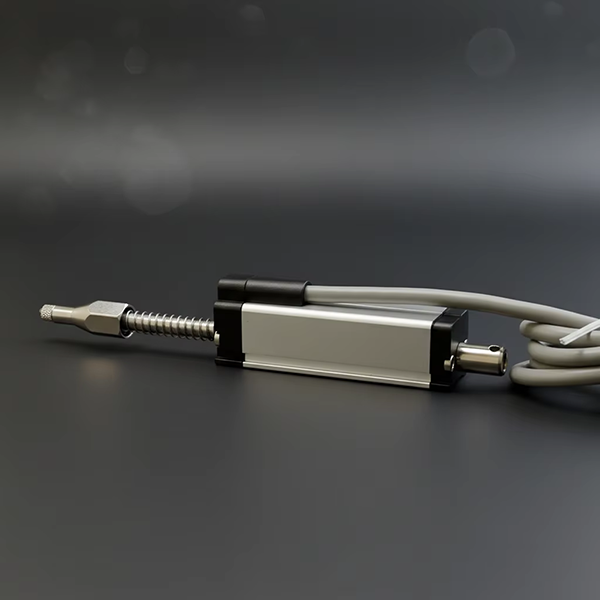
South America's industrial landscape is undergoing a remarkable transformation, driven by booming sectors like mining, oil and gas, and manufacturing. At the heart of this progress lies a critical yet often overlooked component: the linear displacement transducer. These precision devices are becoming indispensable, enabling industries to enhance efficiency, ensure safety, and reduce downtime across the continent.
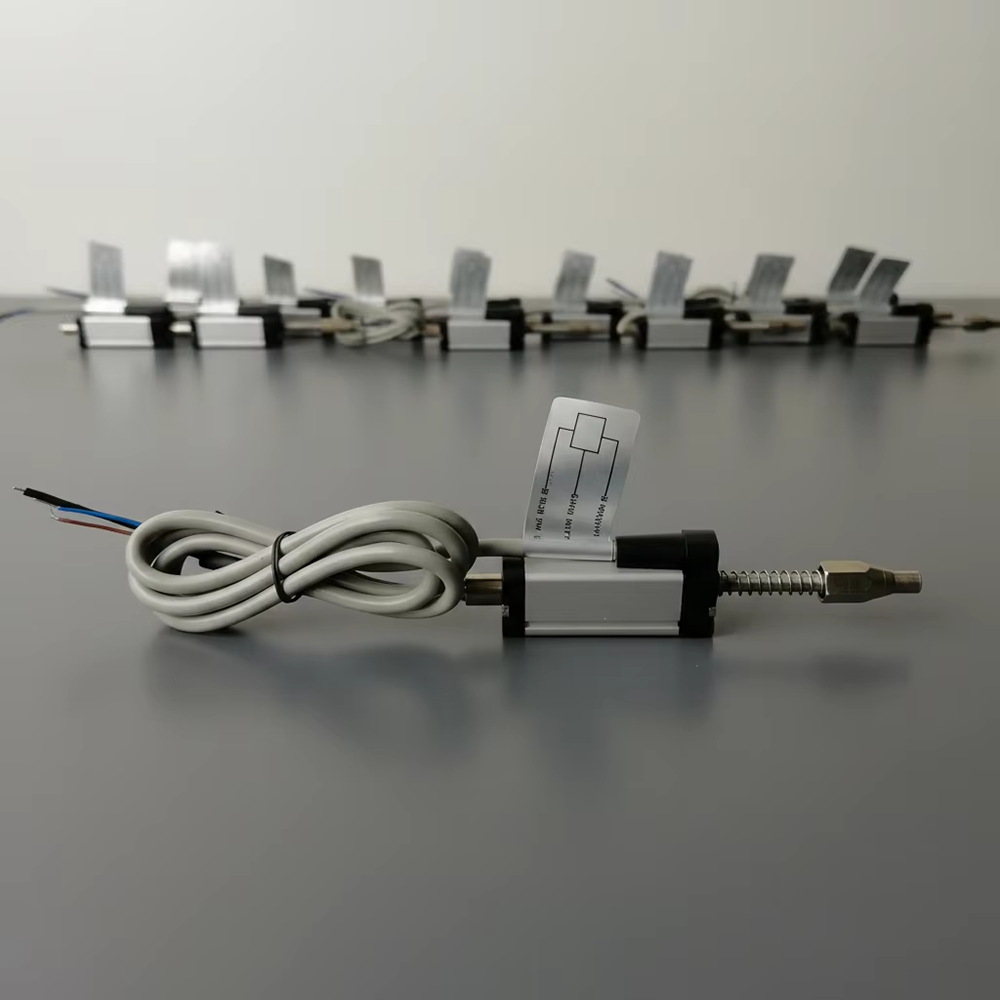
In the mining sector, which forms the backbone of economies in countries like Chile and Peru, These transducers are revolutionizing operations. Mounted on heavy-duty machinery such as hydraulic shovels and conveyor systems, they provide real-time data on position and movement. This allows operators to monitor equipment health, predict maintenance needs, and prevent costly breakdowns in remote, harsh environments. With mining companies increasingly focusing on sustainable practices, these transducers also play a key role in optimizing energy usage by ensuring machinery operates at peak efficiency.
The oil and gas industry, particularly in Brazil and Venezuela, is another major adopter of linear displacement transducer. technology. Used in drilling rigs, pipeline monitoring systems, and refinery equipment, these transducers ensure accurate positioning of valves, pumps, and other critical components. In an industry where precision is non-negotiable, linear displacement transducers help prevent leaks, reduce waste, and enhance overall operational safety. As offshore exploration expands in the region, the demand for rugged, subsea-compatible linear displacement transducers is on the rise, driving innovation in sensor design and materials.
Manufacturing hubs in Argentina and Colombia are also leveraging linear displacement transducers to improve production processes. In automotive assembly lines, for example, these transducers ensure precise alignment of components, reducing errors and improving product quality. In food and beverage processing, they help maintain consistent fill levels and packaging accuracy, meeting strict quality standards. As Industry 4.0 gains traction in South America, linear displacement transducers are integrating with IoT systems, enabling predictive maintenance and data-driven decision-making on the factory floor.
Despite the growing demand, challenges remain. The high cost of advanced linear displacement transducers and a lack of local technical expertise can hinder adoption, especially among small and medium-sized enterprises. However, governments and industry organizations are stepping in, offering training programs and incentives to promote the use of these technologies. Additionally, Chinese manufacturers are beginning to produce cost-effective linear displacement transducers tailored to the region's specific needs, making them more accessible to a wider range of businesses.
Looking ahead, the future of linear displacement transducers in South America is bright. As industries continue to modernize and embrace digital transformation, the demand for these precision devices will only increase. With ongoing innovation and a focus on local adaptation, linear displacement transducers are set to play a pivotal role in driving South America's industrial growth for years to come.