 EN
EN

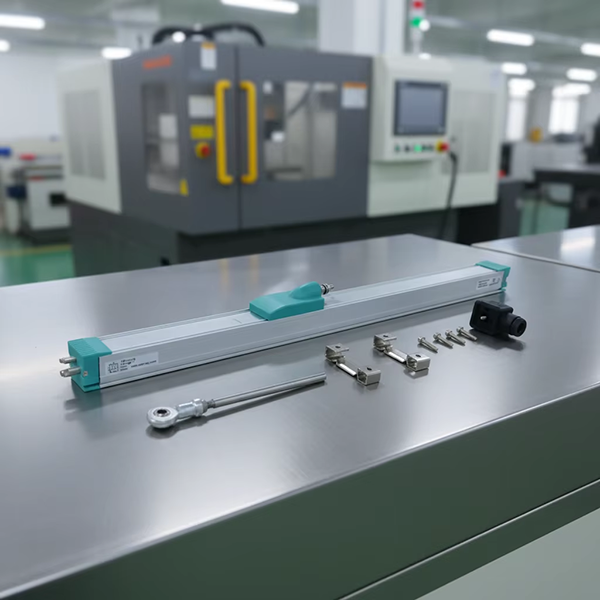
If you’ve ever walked through a busy factory floor, you’ve probably marveled at the massive robots, whirring conveyor belts, and precision assembly lines. But what keeps all these machines working with pinpoint accuracy? More often than not, it’s a small but mighty component called a linear displacement sensor.
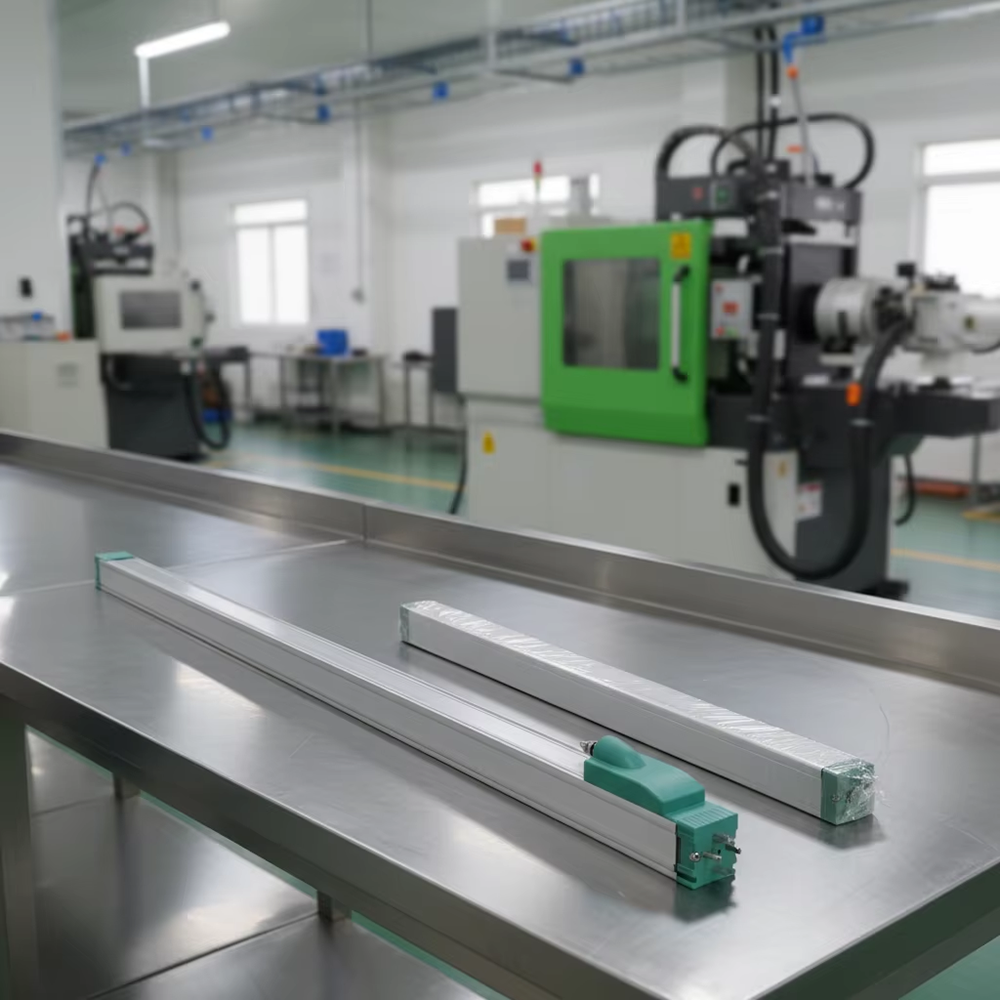
I’ve spent over a decade maintaining and optimizing factory equipment, let me break down why they matter so much.
First off, linear displacement sensors measure straight-line movement with incredible precision. Whether it’s a robotic arm positioning a delicate circuit board or a hydraulic press applying exactly the right amount of force, these sensors ensure every action is on target. I once worked with an automotive plant that was struggling with inconsistent door panel installations. After weeks of troubleshooting, we discovered a faulty sensor in the robotic welding arm. Replacing it cut error rates by 90% overnight—saved us thousands in rework and delays.
Another big win? Durability. Factory floors are harsh: dust, vibration, extreme temperatures, and moisture are constant threats. The latest linear displacement sensors are built to withstand all that. I’ve seen sensors keep ticking in foundries where temperatures regularly hit 150°C, and in food processing plants where they’re splashed with cleaning chemicals day in and day out. No more frequent replacements, no more unexpected downtime.
They also play a huge role in predictive maintenance. Many modern sensors connect to factory IoT systems, sending real-time data about performance and wear. This means we can spot potential issues before they cause a breakdown. Last year, our team used sensor data to identify a worn-out component in a packaging line. We replaced it during a scheduled shift, avoiding what would have been a 4-hour unscheduled shutdown that could have cost us $50,000 in lost production.
Let’s not forget about flexibility. These sensors come in all shapes and sizes—from compact models for tight spaces to heavy-duty versions for large machinery. Whether you’re retrofitting an old machine or designing a new one, there’s a sensor that fits the bill.
At the end of the day, linear displacement sensors might not be the flashiest part of a factory, but they’re the backbone of precision, reliability, and efficiency. Next time you see a factory running like a well-oiled machine, take a moment to appreciate the tiny sensor working behind the scenes. Trust me, it’s doing more than you think.