 EN
EN

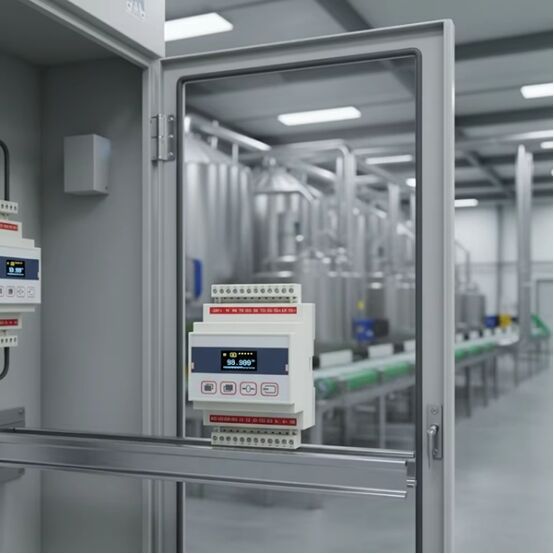
Industrial batching control represents the backbone of precision manufacturing, where even minor measurement errors can cascade into significant quality issues, material waste, and production delays. The accuracy of batching operations directly influences product consistency, regulatory compliance, and operational profitability across industries ranging from pharmaceuticals to petrochemicals. At the heart of these critical processes lies a sophisticated measurement ecosystem that demands real-time monitoring, precise control, and immediate feedback capabilities.
The integration of a load cell indicator into batching systems transforms raw weight measurements into actionable control intelligence, enabling operators to achieve the precision levels demanded by modern industrial applications. This critical component bridges the gap between mechanical force detection and digital process control, providing the interface necessary for maintaining consistent batch quality while optimizing throughput efficiency. Understanding why this technology has become indispensable requires examining its role in measurement accuracy, process automation, and operational reliability within complex batching environments.
Measurement Accuracy and Precision Control
Signal Processing and Digital Conversion
The fundamental value of a load cell indicator stems from its ability to convert analog signals from load cells into precise digital measurements that can be processed, displayed, and transmitted throughout the control system. Load cells generate small electrical signals proportional to applied weight, typically in the millivolt range, which require sophisticated amplification and filtering to achieve industrial-grade accuracy. The load cell indicator performs this critical signal conditioning, employing high-resolution analog-to-digital converters that can discern weight changes as small as 0.01% of full scale capacity.
Modern load cell indicator systems incorporate advanced digital signal processing algorithms that eliminate noise, compensate for temperature variations, and correct for non-linearities inherent in the measurement chain. These capabilities ensure that batching operations maintain consistent accuracy across varying environmental conditions, from temperature fluctuations to electromagnetic interference common in industrial settings. The precision achieved through proper load cell indicator implementation directly translates to reduced material waste, improved product quality, and enhanced regulatory compliance in batch manufacturing processes.
Real-Time Weight Monitoring and Control
Industrial batching operations require continuous monitoring of material addition rates, cumulative weights, and target achievement to maintain process control within acceptable tolerances. A load cell indicator provides this real-time visibility by continuously sampling weight data and presenting it in formats immediately useful to operators and control systems. The display capabilities of a quality load cell indicator enable operators to monitor batch progress visually while automated systems receive precise digital data for process control decisions.
The response time of the load cell indicator becomes critical during dynamic batching operations where ingredients are added rapidly or where multiple materials are being combined simultaneously. Advanced indicators can process and update weight readings multiple times per second, ensuring that control systems receive timely information to make precise cutoff decisions. This rapid response capability prevents overfilling, reduces material waste, and maintains the tight tolerances required for consistent product quality in industrial batching applications.
Process Integration and Automation Capabilities
Communication Protocols and System Connectivity
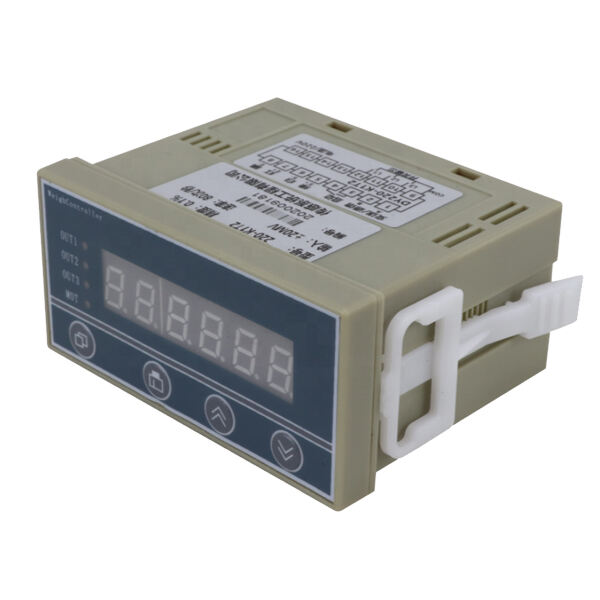
The integration of a load cell indicator into broader process control systems depends heavily on its communication capabilities and protocol support. Modern indicators support multiple industrial communication standards including Modbus, Ethernet/IP, and Profibus, enabling seamless data exchange with programmable logic controllers, supervisory control systems, and enterprise resource planning platforms. This connectivity allows the load cell indicator to function as an intelligent node within the overall automation architecture rather than as an isolated measurement device.
Through these communication pathways, the load cell indicator can receive recipe parameters, target weights, and tolerance specifications from higher-level control systems while transmitting real-time weight data, alarm conditions, and batch completion status. This bidirectional communication enables sophisticated batching sequences where multiple ingredients are added in specific orders with precise timing and quantity controls. The load cell indicator becomes an active participant in recipe execution rather than merely a passive measurement device.
Automated Control Functions and Logic
Beyond basic weight measurement and display, a sophisticated load cell indicator incorporates programmable control logic that can manage complex batching sequences autonomously. These systems can store multiple recipes, each containing specific target weights, addition rates, and sequencing requirements for different product formulations. The internal logic of the load cell indicator can coordinate valve operations, conveyor controls, and material handling equipment to execute these recipes with minimal operator intervention.
The control capabilities of the load cell indicator extend to managing pre-act functions, where the system anticipates the final approach to target weight and begins slowing material addition rates to prevent overshooting. This predictive control requires the indicator to analyze addition rates, material flow characteristics, and system response times to calculate optimal cutoff points. Such intelligent behavior significantly improves batching accuracy while reducing cycle times and material waste in industrial operations.
Quality Assurance and Compliance Support
Data Logging and Traceability Requirements
Industrial batching operations, particularly in regulated industries such as pharmaceuticals, food processing, and chemicals, require comprehensive documentation of all measurement data for quality assurance and regulatory compliance purposes. A load cell indicator equipped with data logging capabilities automatically records weight measurements, timestamps, operator actions, and alarm events throughout the batching process. This historical data provides the documentation trail necessary for batch records, regulatory audits, and quality investigations.
The storage capacity and data retention capabilities of the load cell indicator determine how much historical information remains readily available for analysis and reporting. Advanced systems can store thousands of batch records internally while simultaneously transmitting data to external databases for long-term archival. This redundant data storage ensures that critical batch information remains accessible even if primary data systems experience failures or require maintenance.
Alarm Management and Exception Handling
The load cell indicator serves as a critical component in the alarm management hierarchy for batching operations, detecting and reporting various error conditions that could compromise batch quality or process safety. These systems can identify overweight conditions, underweight situations, material addition rate anomalies, and equipment malfunctions that might otherwise go unnoticed until batch completion. Early detection of these conditions through the load cell indicator enables corrective actions that can save entire batches from rejection.
The configuration flexibility of modern load cell indicator systems allows operators to establish multiple alarm thresholds and response protocols tailored to specific process requirements. Warning alarms can alert operators to potential issues while allowing continued operation, while critical alarms can automatically halt material addition or initiate emergency procedures. This graduated alarm response capability helps maintain process efficiency while ensuring that serious quality or safety issues receive immediate attention.
Operational Efficiency and Cost Optimization
Batch Cycle Time Reduction
The processing speed and response characteristics of a load cell indicator directly impact overall batch cycle times, which translate to production capacity and operational efficiency in industrial facilities. High-speed indicators can process weight measurements and execute control decisions in milliseconds, enabling rapid material addition rates without sacrificing accuracy. This capability becomes particularly valuable in high-volume production environments where small improvements in cycle time generate significant productivity gains over extended operating periods.
The optimization features built into advanced load cell indicator systems can automatically adjust batching parameters based on historical performance data and real-time process conditions. These adaptive algorithms learn from previous batches to optimize addition rates, pre-act distances, and settling times for each specific recipe and material combination. The continuous improvement provided by intelligent load cell indicator systems helps facilities achieve progressively better performance without requiring manual parameter adjustments or process engineering intervention.
Material Waste Minimization
Precise weight control through a quality load cell indicator directly reduces material waste by minimizing overages and eliminating the need for rework due to out-of-specification batches. The accuracy and repeatability provided by proper indicator implementation ensure that each batch contains exactly the required amount of each ingredient, reducing raw material consumption and associated costs. In high-value ingredient applications, these savings can quickly justify the investment in advanced measurement and control systems.
The predictive capabilities of modern load cell indicator systems help prevent costly batch failures by detecting potential quality issues before they fully develop. Early warning of addition rate problems, equipment malfunctions, or ingredient supply issues allows operators to take corrective action while batches can still be salvaged. This proactive approach to quality management reduces the frequency of batch rejections and the associated costs of material disposal, equipment cleaning, and production delays.
FAQ
What makes a load cell indicator different from a simple digital display?
A load cell indicator incorporates sophisticated signal processing, communication capabilities, data logging, and control logic that extend far beyond basic weight display functionality. While simple displays only show weight values, a proper load cell indicator conditions signals from load cells, provides communication interfaces for system integration, stores batch data for compliance purposes, and can execute automated control sequences for batching operations.
How does a load cell indicator improve batching accuracy compared to manual control?
Load cell indicator systems eliminate human reaction time delays and subjective judgment errors that occur with manual batching control. These systems can process weight measurements multiple times per second and execute precise cutoff decisions based on predictive algorithms that account for material flow characteristics and system response times. The result is typically 10-50 times better accuracy than manual control methods, depending on the specific application and material handling characteristics.
Can multiple load cells be connected to a single load cell indicator?
Yes, most industrial load cell indicator systems support multiple input channels and can simultaneously monitor several load cells or complete weighing systems. Advanced indicators can handle complex configurations including multi-platform batching systems, ingredient staging areas, and finished product packaging stations. The system can manage different recipes and control sequences for each connected weighing point while maintaining centralized data logging and communication functions.
What communication protocols should a load cell indicator support for industrial integration?
Modern load cell indicator systems should support multiple industrial communication protocols including Ethernet/IP, Modbus TCP/RTU, Profibus, and DeviceNet to ensure compatibility with existing plant automation systems. Many also include analog output capabilities for legacy system integration and USB or Ethernet connections for data transfer and system configuration. The specific protocol requirements depend on the existing plant infrastructure and future expansion plans for the batching system.
Table of Contents
- Measurement Accuracy and Precision Control
- Process Integration and Automation Capabilities
- Quality Assurance and Compliance Support
- Operational Efficiency and Cost Optimization
-
FAQ
- What makes a load cell indicator different from a simple digital display?
- How does a load cell indicator improve batching accuracy compared to manual control?
- Can multiple load cells be connected to a single load cell indicator?
- What communication protocols should a load cell indicator support for industrial integration?