 EN
EN

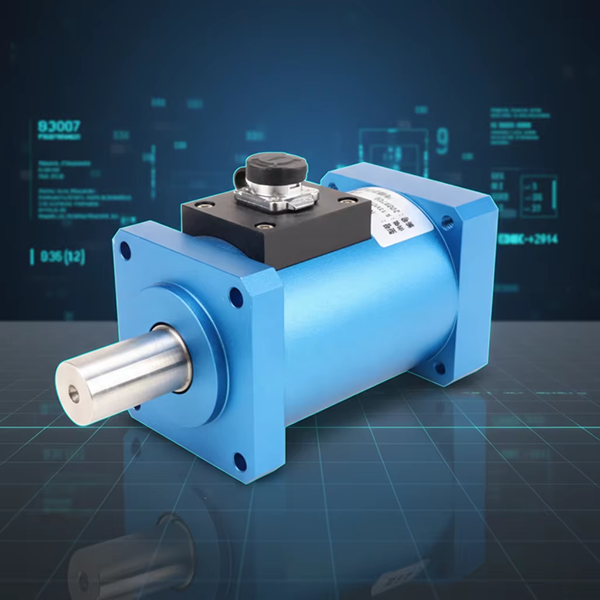
With 2026 fast approaching, the dynamic torque sensor field is undergoing a significant transformation, fueled by the interplay of technological progress and market pressures. From my work in industrial automation and robotics, I’ve seen firsthand how these devices—once seen as peripheral—are now central to groundbreaking innovation. Below, I’ll outline the key trends steering their future.
1. The Rise of Multi-Modal Fusion: More Than Just Torque
Can you picture when torque sensors were isolated units, quietly monitoring rotational force in their own bubble? That’s becoming history. The future is multi-modal fusion—where torque data blends with vibrations, temperatures, and visual inputs to create a complete picture of machine health.
For example, in autonomous vehicles, a torque sensor alone can’t determine if a wheel slips due to ice or mechanical issues. But integrate it with inertial data, pressure readings, and camera feeds, and the system gains predictive ability, foreseeing failures before they happen. This isn’t speculation; it’s already happening in robotics and aerospace, where downtime carries massive financial risks.
The obstacle? Making these systems dependable. Sensor fusion isn’t just about data collection—it’s about ensuring signals sync seamlessly, even in challenging conditions. Companies driving this change aren’t just sensor producers; they’re solution architects.
2. New Frontiers: EVs, Robotics, and Beyond
The applications are exploding in scope. Here’s where the buzz is loudest:
Electric Vehicles (EVs): Torque sensors are essential for motor control, regenerative braking, and battery management. As EVs dominate the market, demand for faster, more reliable sensors will soar.
Humanoid Robots: Pioneers like Tesla and Boston Dynamics are engineering robots that move like humans. Each joint needs precise torque feedback to prevent overloading or underperformance—it’s about finesse, not just force.
Industrial 5.0: The next generation of smart factories will rely on torque sensors to maximize efficiency, minimize waste, and enable predictive maintenance. Envision a conveyor belt that adjusts its speed on the fly using real-time torque data—cutting energy costs and avoiding downtime.
But the challenge? Cost. As sensors advance, affordability must keep pace. That’s sparking innovation in materials (like advanced composites) and manufacturing (such as 3D printing).
3. The Human Factor: Trusting the Data
Here’s a key point that’s often overshadowed: the human element. Engineers and operators need unwavering confidence in sensor data. A faulty torque reading in a factory or wind farm could cascade into total failure. That’s why transparency and calibration are now mission-critical—because precision saves lives and resources.
Today, sensors are smarter, with built-in self-diagnostics that preemptively alert users to potential errors. Meanwhile, AI is being woven into systems to spot patterns and predict deviations before they occur. It’s not just about measuring torque; it’s about understanding its real-world impact on safety and performance.
4. What Comes Next?
2026 will see the industry consolidate, with smaller players forced to adapt or fade away, while leaders focus on seamless integration and scalable solutions. Sustainability will also rise in importance—sensors designed for energy efficiency and eco-conscious materials will dominate the market.
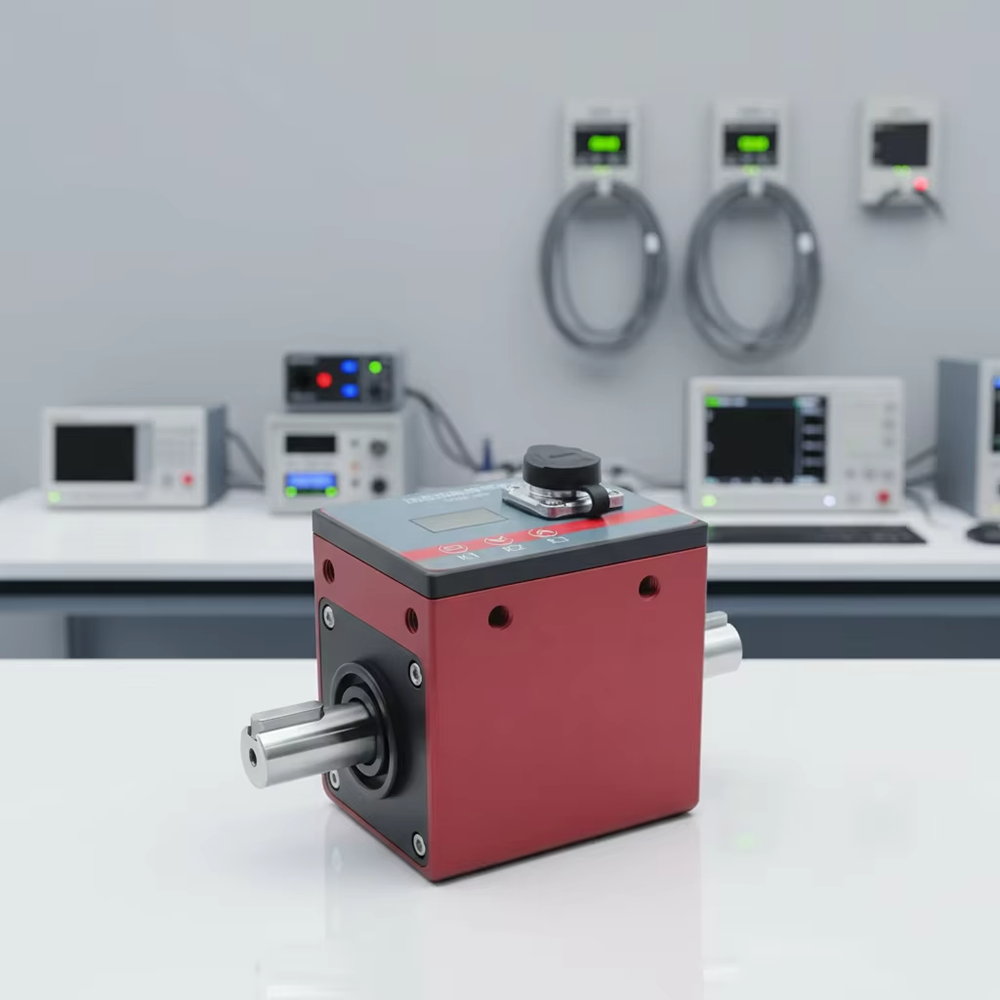
The most exciting development? The democratization of these technologies. As costs fall, high-precision torque sensing will become affordable for small manufacturers, driving innovation across sectors and fostering a more inclusive ecosystem..
Whether you’re in automotive, robotics, or industrial automation, one thing is certain: torque sensors will be at the heart of the next wave of innovation. The question isn’t if they’ll change—it’s how quickly you’ll adapt.
What’s your take? Are you seeing these trends in your work? I’d love to hear your thoughts.