 EN
EN

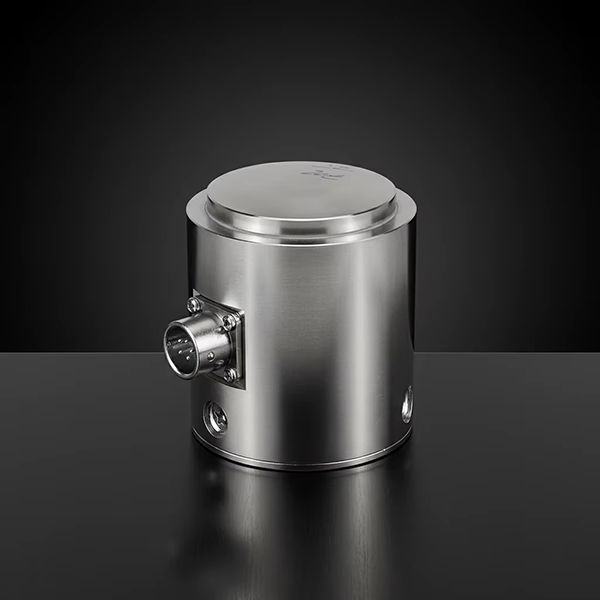
Column type load cells are precision sensors that convert mechanical force into electrical signals, primarily used for measuring compression loads. Here's a breakdown of their technology:
Core Components
Strain Gauges: Thin metal foil patterns bonded to a metal substrate. When force is applied, the substrate deforms, changing the gauge's resistance. This resistance change is proportional to the applied force.
Metal Substrate: Typically made of aluminum or steel, it transmits the applied force to the strain gauges. The substrate's design ensures uniform deformation under load.
Signal Conditioning Circuitry: Converts the small resistance changes into measurable voltage signals. This includes amplifiers and filters to enhance signal quality and reduce noise.
Column Type Load Cell's Working Principle
Force Application: When a load is applied, the metal substrate deforms slightly.
Resistance Change: The strain gauges detect this deformation, altering their electrical resistance.
Signal Output: The resistance change is converted into a voltage signal, which is then processed to provide a precise measurement of the applied force.
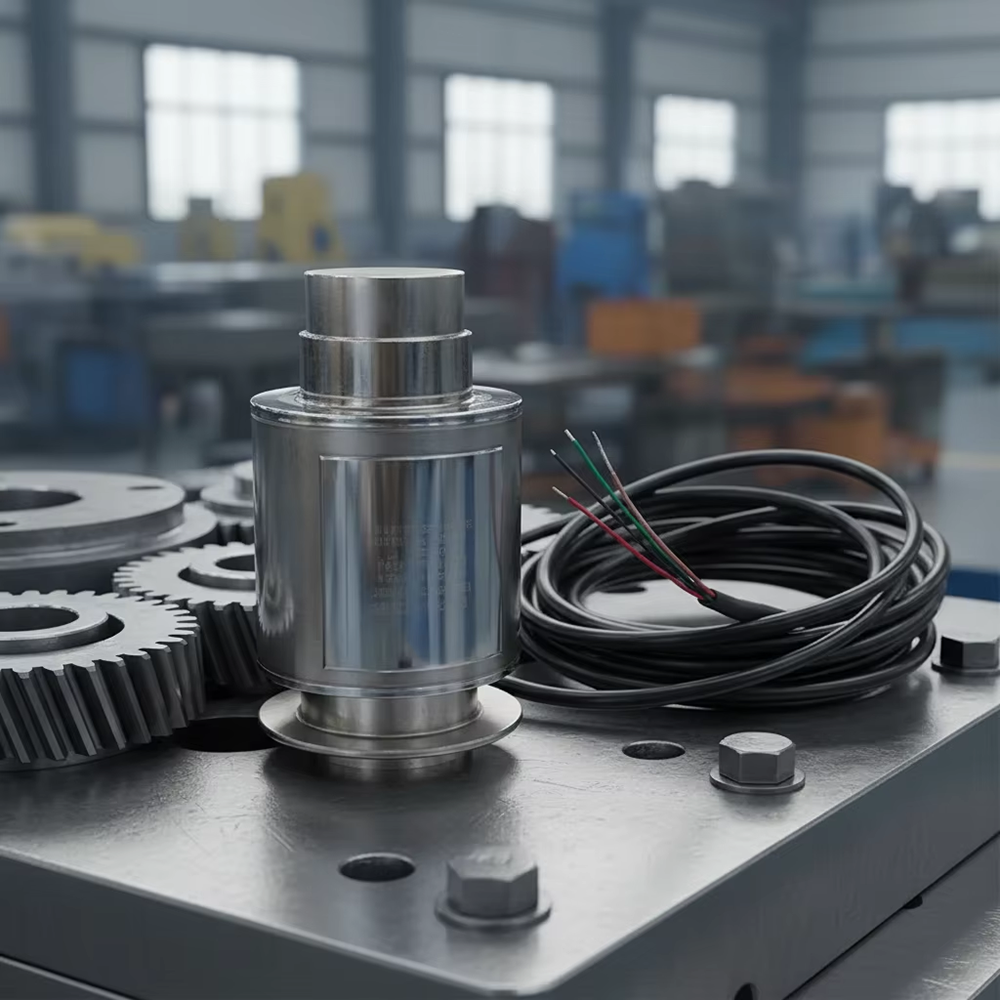
Applications
Industrial Scales: Used in weighing systems for materials and products.
Structural Monitoring: Measures loads in bridges, buildings, and other structures.
Material Testing: Evaluates the strength and deformation characteristics of materials under load.
Column Type Load Cell's Advantages
High Accuracy: Capable of precise force measurements.
Durability: Robust construction suitable for harsh environments.
Versatility: Can be adapted for various load ranges and applications.