 EN
EN

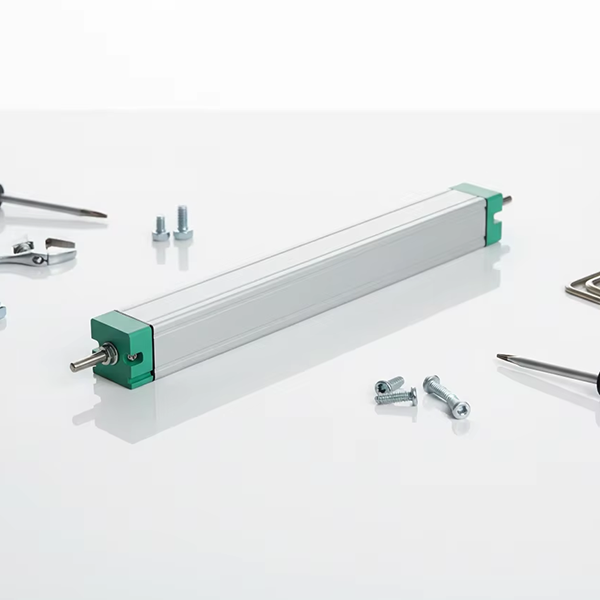
Looking ahead to 2026, it’s pretty exciting to see how the market for linear displacement sensors is shaping up. These little gadgets, which basically measure how far something has moved in a straight line, are becoming super important across a bunch of high-tech industries like manufacturing, automotive, aerospace, and healthcare.
By the time 2026 rolls around, we’re expecting some pretty cool advancements in how these sensors work — mainly, they’re getting more accurate, reliable, and even smaller. The industrial sector, especially with the push towards smart factories and the Internet of Things, is really leading the charge here. In those big automated environments, linear displacement sensors are key because they give real-time data, making sure everything runs smoothly and efficiently.
The automotive world is also jumping on the bandwagon. With electric cars and self-driving vehicles becoming more common, having precise position sensors isn’t just a nice-to-have anymore — it's a must. These sensors help monitor component positions and even help autonomous cars navigate safely by providing essential data for control systems.
And let’s not forget aerospace — it’s traditionally pretty cautious about new tech because of safety, but even there, these sensors are starting to make a difference. They're being used more and more for critical position monitoring in planes and spacecraft, aiming to boost safety, reliability, and overall performance.
Healthcare is another sector where these sensors are really making waves. From robotic surgical tools to patient monitors, the need for extremely precise measurements is driving demand. They’re becoming a fundamental part of making sure medical procedures are accurate and effective.
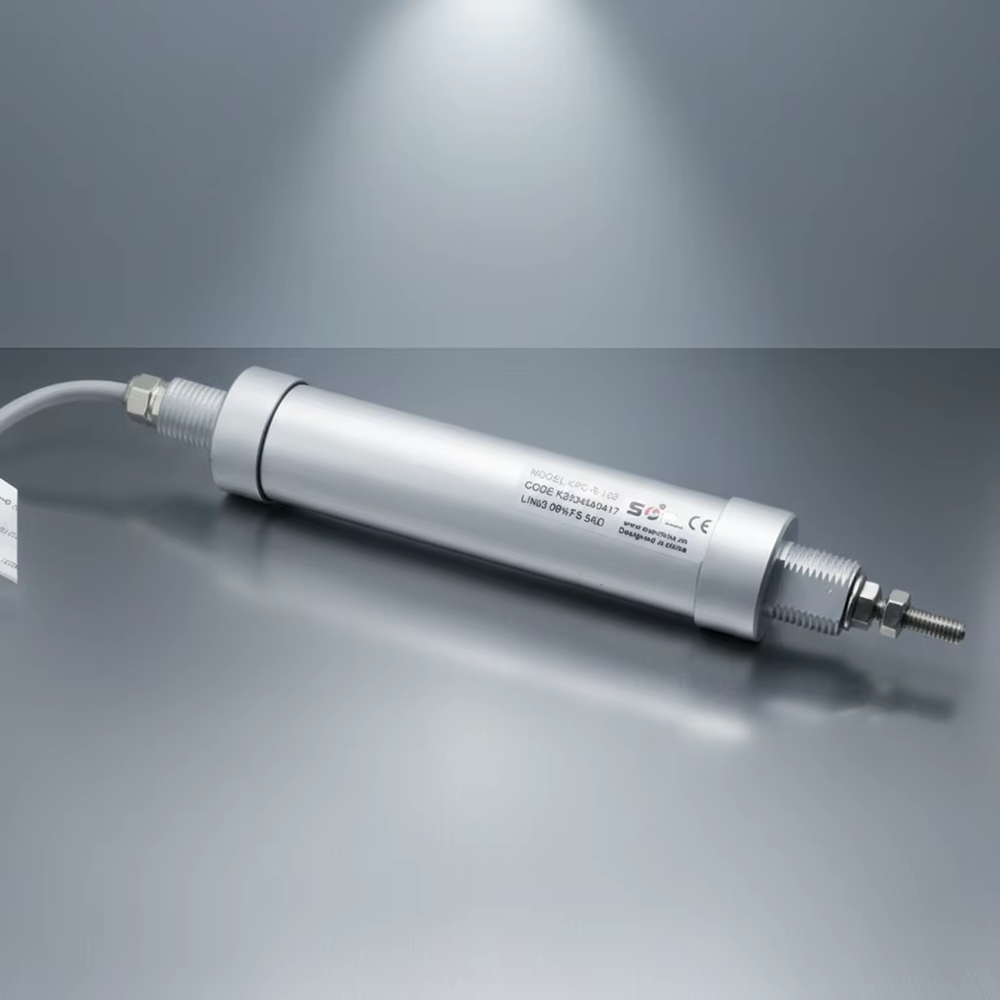
Looking ahead to 2026, manufacturers are likely to focus on rolling out innovations that tackle these complex needs. Miniaturization without sacrificing performance is a big trend — this’ll open up more options for tiny, complicated devices. Plus, using advanced materials and smarter sensing tech will help build more rugged and versatile solutions.
All in all, the outlook for 2026 is pretty bright for linear displacement sensors. Their growth is driven by how essential they’re becoming across these fast-growing, tech-driven industries. It’s an exciting time to see how they’ll evolve and shape the future!