 EN
EN

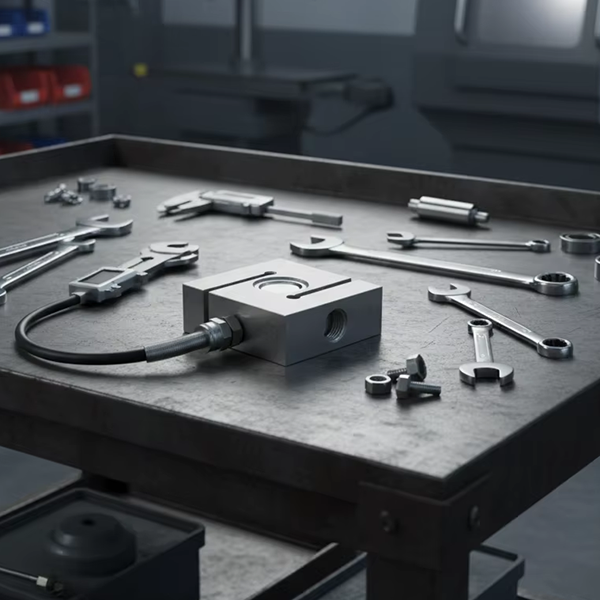
Alright, let's talk about load cell sensors — those little powerhouses of measurement that might not get much attention but actually play a huge role in making sure things are accurate. In industries and tech these days, getting precise data isn’t just important, it’s everything. That’s where load cells come in—they’re reliable, super precise, and pretty much essential across all sorts of fields.
So, what exactly is a load cell sensor? Think of it as a device that takes physical force — like weight or pressure — and turns it into an electrical signal you can measure. They’re the brains behind the weight scales we see everywhere, whether it’s in factories, trucks, or even some cars. Inside, they use tiny strain gauges attached to a metal body. When you put force on it, the metal bends just a little, and those gauges detect the change, converting it into an electrical signal that tells you exactly how much force is at play.
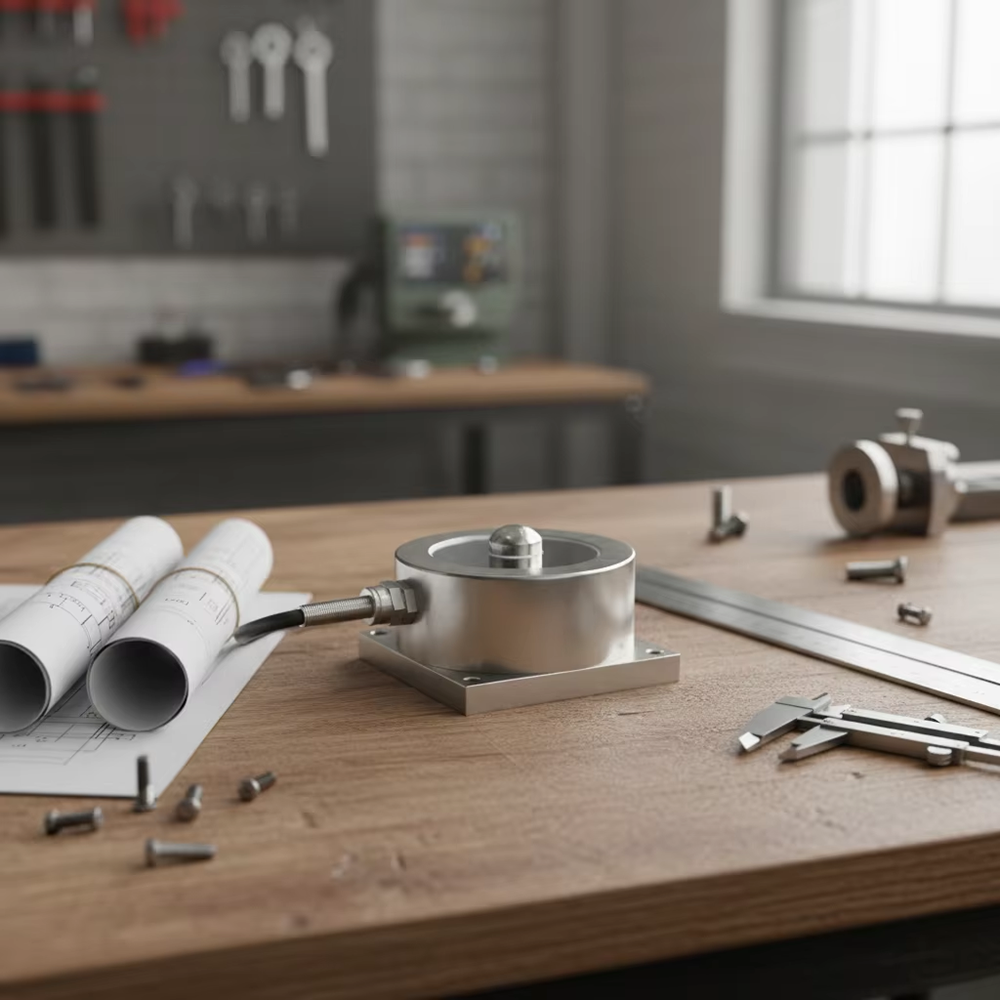
Now, not all load cells are created equal. There are a few different types, each suited for different jobs:
- Strain Gauge Load Cells: These are the most common, like the one you find in regular digital scales or industrial weighing equipment.
- Hydraulic Load Cells: These use a chamber filled with fluid. They’re perfect in rough environments where electronic sensors might not hold up.
- Pneumatic Load Cells: Using air pressure, they’re great when safety is a concern or you need a solution that’s inherently safe.
- Capacitive Load Cells: These measure changes in electrostatic fields and are a bit more specialized — used in certain industrial settings.
And where do you see load cells in action? Oh, almost everywhere:
- Manufacturing lines: Checking weights to keep product quality consistent.
- Medical stuff: Devices that monitor patients or do super-precise measurements.
- Cars: For things like testing how a vehicle handles loads or in crash tests.
- Retail and shipping: Those grocery scales or shipping station weights you see in stores and warehouses—they rely on load cells for accuracy.
What makes load cells so awesome? Well, for starters:
- They’re precise — really good at giving accurate readings.
- Super versatile — work well in all kinds of industries.
- Built tough — designed to handle harsh conditions without breaking a sweat.
- Easy to set up — can be integrated into existing systems without much fuss.
All in all, load cell sensors are pretty much indispensable when it comes to measuring force or weight accurately. As technology keeps improving, they get even better at pushing the boundaries of precision. Learning about them opens up loads of possibilities—whether you’re into innovation, making things more efficient, or just want to understand how the modern world stays balanced and measured. Pretty cool, right?