 EN
EN

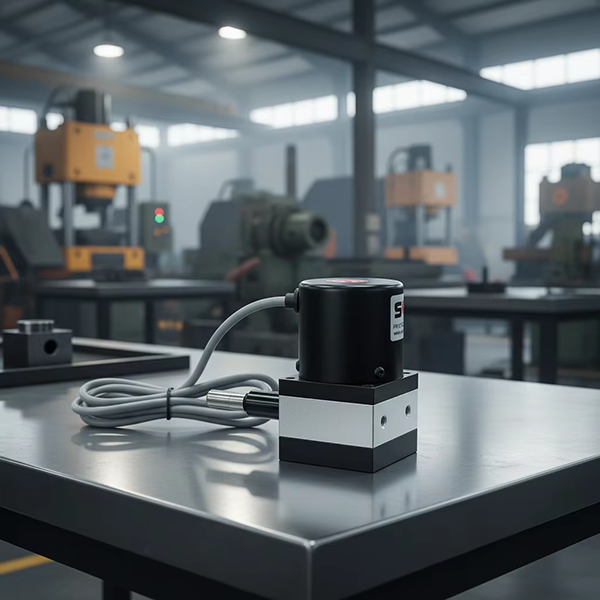
Hey there, fellow industrial tech enthusiasts! Today, I want to shine a light on a component that quietly powers so much of our modern machinery—the draw wire displacement sensor. If you’ve ever wondered how heavy-duty cranes know exactly when to stop lowering a load, or how automated assembly lines maintain pinpoint accuracy, chances are a draw wire sensor is behind the scenes.
What makes these sensors a game-changer? For starters, their rugged design. Built to withstand dust, vibrations, and extreme temperatures, they’re right at home in factories, construction sites, and even mining operations. Unlike some delicate sensors that need constant calibration, draw wire models offer long-term stability, which means less downtime and more consistent performance.
I’ve seen firsthand how they transform industrial processes. At a local manufacturing plant, they replaced outdated limit switches with draw wire sensors on their robotic arms. The result? A 20% boost in production speed, thanks to the sensor’s ability to provide real-time, precise position data. And let’s not forget about their versatility—they can measure linear displacement from just a few centimeters up to several meters, making them perfect for everything from hydraulic systems to material handling equipment.
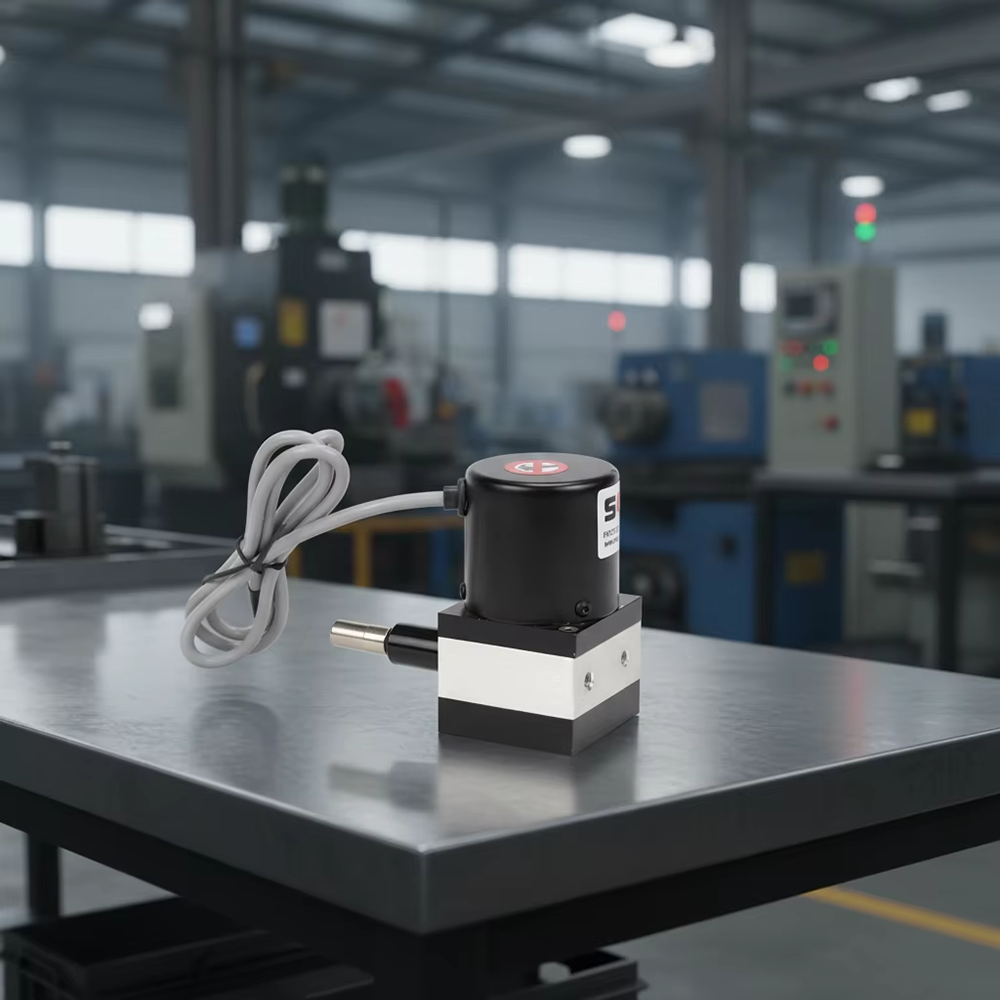
In an era where industrial automation is non-negotiable, draw wire displacement sensors are the unsung heroes keeping our operations running smoothly. If you’re looking to upgrade your equipment’s precision, do yourself a favor and give these sensors a closer look. Trust me, your machinery will thank you!