 EN
EN

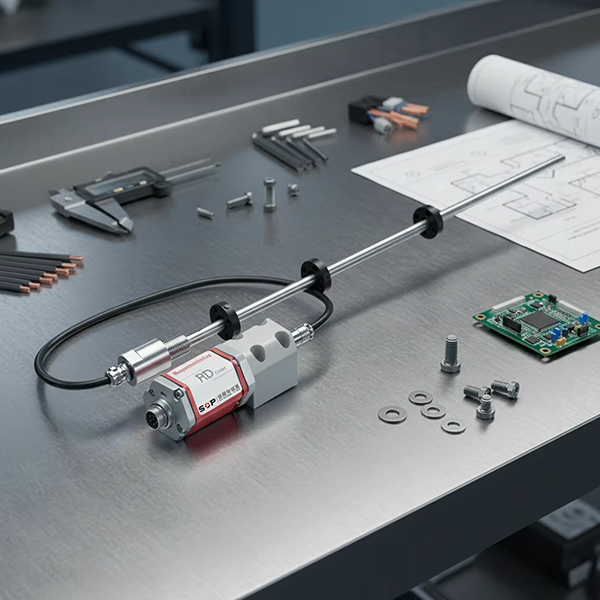
Keď sa stále viac presúvame do veku najnovších technológií, svet senzorov zažíva niekoľko veľmi vzrušujúcich zmien. Medzi všetkými rôznymi typmi senzorov sa magnetoštartívne senzory skutočne začínajú vyrážať – hlavne preto, lebo sú také presné a spoľahlivé. Vzhľadom na obdobie do roku 2026 sa predpokladá, že niekoľko kľúčových trendov bude formovať spôsob, akým tieto pokročilé zariadenia nájdu svoje uplatnenie stále vo väčšom počte aplikácií.
Takže, ako magnetoštartívne senzory práca? V podstate využívajú niečo, čo sa nazýva magnetostrikcia – teda zmena tvaru magnetických materiálov pri vystavení magnetickému poľu. Ide o dosť úžasnú „supermoc“, najmä v odvetviach, kde sa vyžadujú mimoriadne presné merania a pevné, dlhodobo odolné zariadenia. Jednou z hlavných budúcich trendov je ich stále väčšie využívanie v priemyselnej automatizácii. Keď sa továrne a montážne linky pripravujú na priemysel 4.0, potreba presných meraní polohy a rýchlosti prudko stúpa, čo robí tieto senzory takmer nevyhnutnými.
A nie je to len výroba – do zoznamu patria aj automobily. Najmä v elektrických a samoriadiacich vozidlách sa predpokladá výrazný nárast používania týchto senzorov. Pomáhajú zlepšiť bezpečnostné funkcie a zvyšujú účinnosť spotreby energie. Príkladmi sú systémy riadenia škrticích klapiek, riadenia alebo podvozkov – všetky tieto oblasti sú pre magnetostrikčné senzory ideálnym prostredím vzhľadom na ich odolnosť a presnosť na mikrometrovú úroveň.
Zdravotníctvo je ďalším odvetvím, v ktorom sa očakáva, že tieto senzory dosiahnu významný pokrok. Zdravotnícke prístroje a diagnostické nástroje sa opierajú o ultra spoľahlivé senzory, aby získali presné údaje. Keďže magnetostrikčné senzory nepotrebujú kontakt s meraným objektom, sú ideálne na udržiavanie sterility a zabezpečenie konzistentných výsledkov – čo je v zdravotníckych zariadeniach mimoriadne dôležité.
Ak sa pozrieme do vzdialenejšej budúcnosti, zdá sa, že integrácia týchto senzorov s internetom vecí (IoT) bude prelomovou udalosťou. Predstavte si senzory, ktoré dokážu posielať údaje v reálnom čase, čo umožní inteligentnejšiu údržbu a hladší chod prevádzky. Tento druh pripojenia otvorí celý rad nových možností pre vytváranie ešte inteligentnejších a integrovanejších systémov.
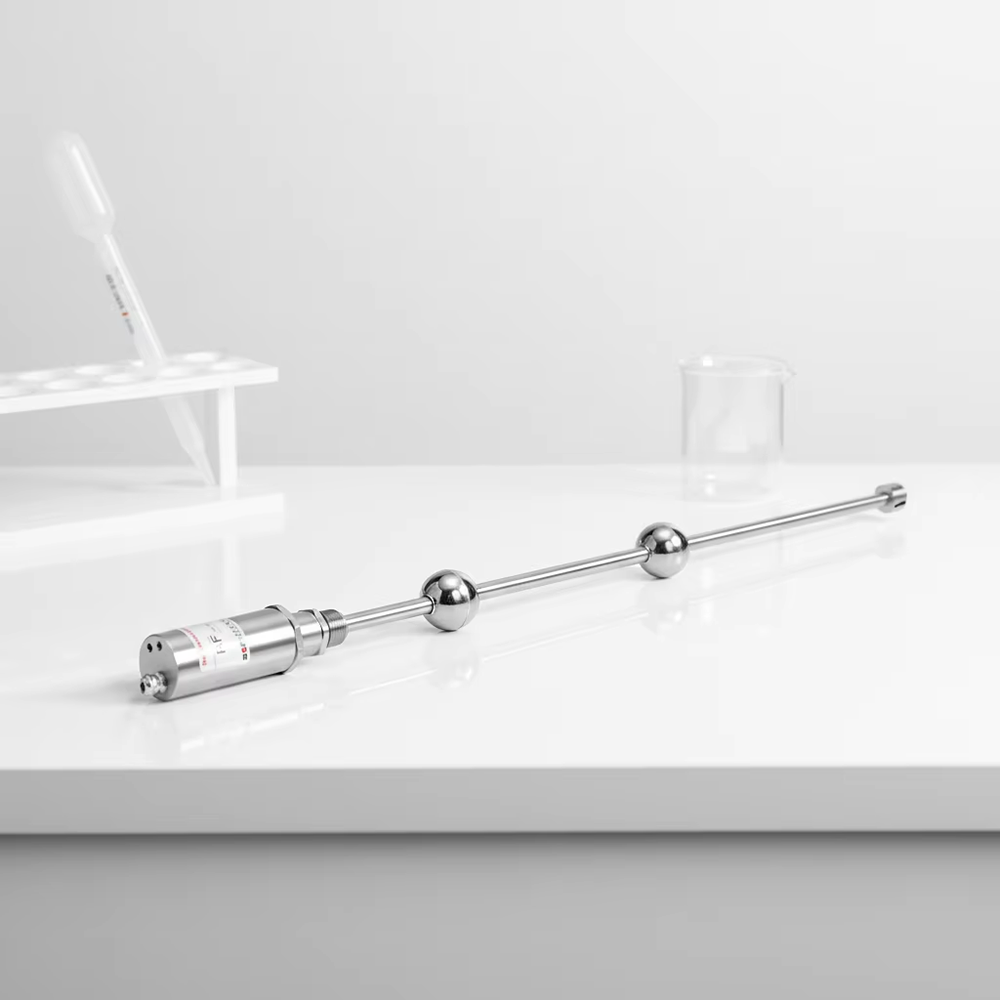
Celkovo povedané, do roku 2026, magnetorestrictívne čidlo sú pravdepodobne schopné výrazne zmeniť viaceré odvetvia vďaka svojej neprekonateľnej presnosti a všestrannosti. Keďže technológia stále pokročuje, tieto snímače budú stále na čele – zvyšujú efektívnosť a inovácie všade, kde sa používajú. Pre podniky, ktoré chcú využiť všetky výhody magnetostrikčného snímania, bude veľmi dôležité sledovať tieto trendy.