 EN
EN

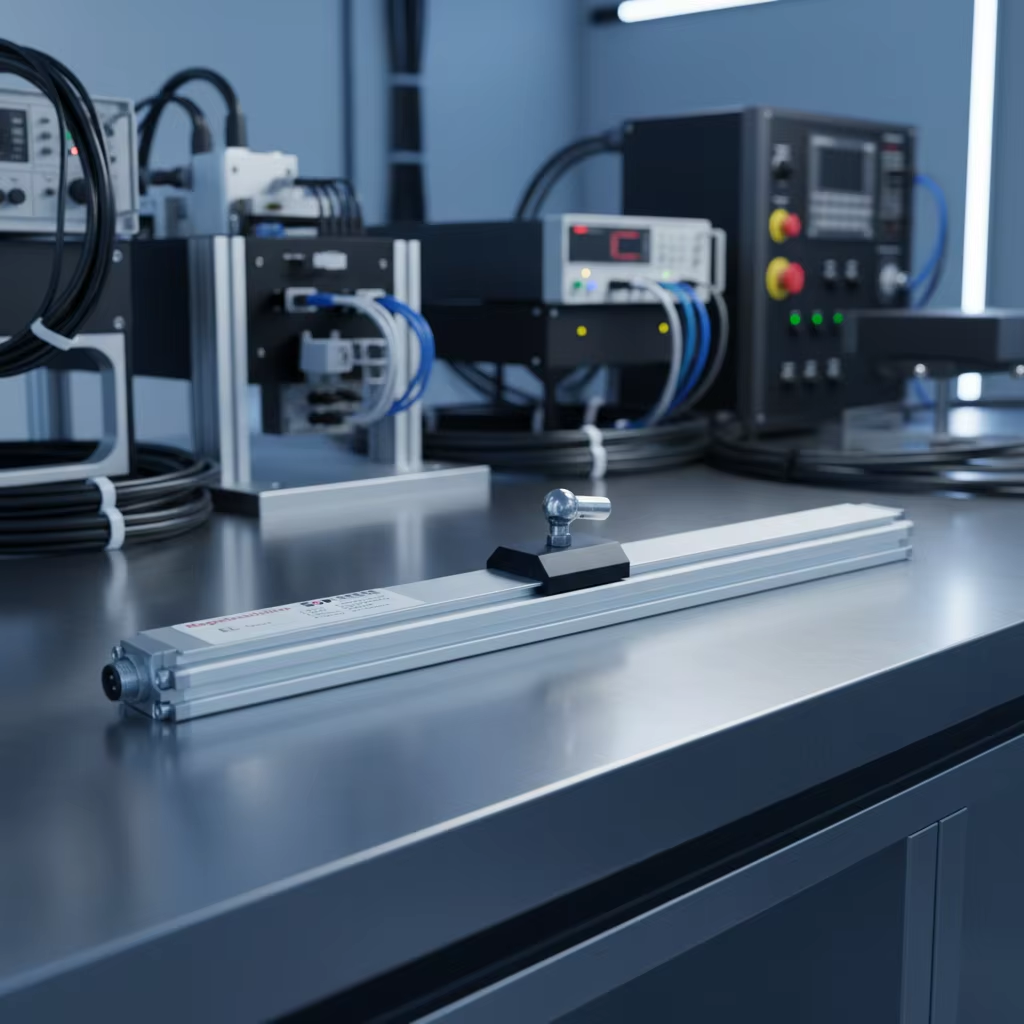
औद्योगिक स्वचालन और परिशुद्ध मापन प्रणालियाँ सटीक स्थिति निर्धारण और निगरानी क्षमताओं सुनिश्चित करने के लिए उन्नत सेंसिंग प्रौद्योगिकियों पर भारी निर्भरता रखती हैं। आज उपलब्ध सबसे विश्वसनीय और बहुमुखी सेंसिंग समाधानों में से एक, मैग्नेटोस्ट्रिक्टिव सेंसर निर्माण, भारी मशीनरी और प्रक्रिया नियंत्रण उद्योगों में अनगिनत अनुप्रयोगों के लिए एक मूलभूत प्रौद्योगिकि के रूप में उभरा है। ये उन्नत उपकरण अत्यधिक सटीकता और कठोर औद्योगिक वातावरणों में टिकाऊपन प्रदान करने के लिए विशिष्ट मैग्नेटोस्ट्रिक्टिव प्रभाव का उपयोग करते हैं।
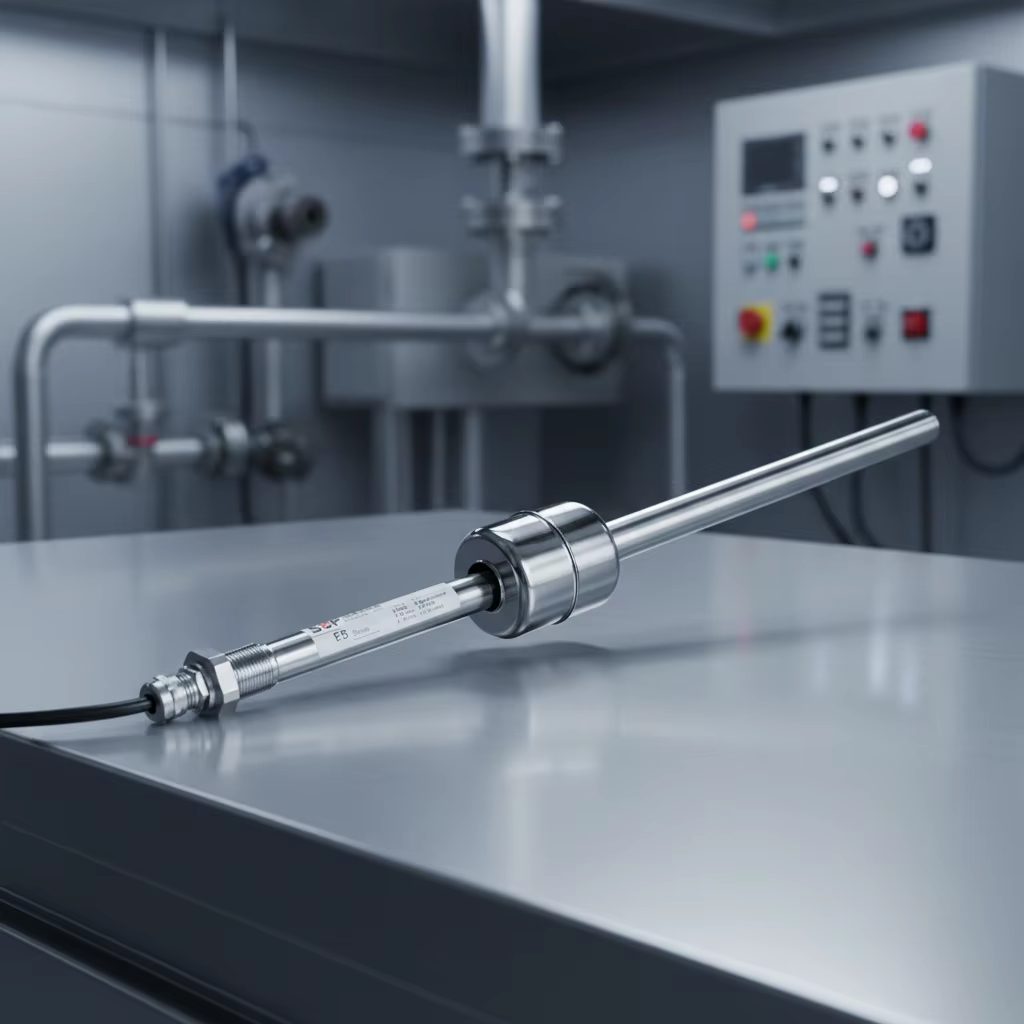
चुंबकीय विकृति सेंसर प्रणालियों के विभिन्न माउंटिंग विधियों को समझना इंजीनियरों और तकनीशियनों के लिए आवश्यक है, जिन्हें इन उपकरणों को अपने विशिष्ट अनुप्रयोगों में एकीकृत करने की आवश्यकता होती है। माउंटिंग दृष्टिकोण सीधे सेंसर के प्रदर्शन, माप की सटीकता और दीर्घकालिक विश्वसनीयता को प्रभावित करता है। प्रत्येक माउंटिंग विन्यास के अपने विशिष्ट लाभ होते हैं, जो स्थापना स्थल की संचालन आवश्यकताओं, पर्यावरणीय परिस्थितियों और यांत्रिक बाधाओं पर निर्भर करते हैं।
मैग्नेटोस्ट्रैक्टिव सेंसर प्रौद्योगिकी को समझना
मूलभूत संचालन सिद्धांत
चुंबकीय विकृति सेंसर चुंबकीय विकृति प्रभाव के माध्यम से काम करता है, जिसमें यांत्रिक विकृति एक विशेष रूप से डिज़ाइन किए गए वेवगाइड के भीतर चुंबकीय गुणों में मापनीय परिवर्तन उत्पन्न करती है। यह वेवगाइड, जो आमतौर पर चुंबकीय विकृति सामग्री से बनाया जाता है, सटीक स्थिति का पता लगाने के लिए मुख्य संवेदन तत्व के रूप में कार्य करता है। सेंसर अल्ट्रासोनिक पल्स उत्पन्न करता है जो वेवगाइड के अनुदिश ज्ञात वेग से यात्रा करते हैं, जिससे स्थिति की गणना के लिए सटीक समय माप प्राप्त होते हैं।
मैग्नेटोस्ट्रिक्टिव सेंसर सिस्टम में कई महत्वपूर्ण घटक शामिल होते हैं जो विश्वसनीय माप प्राप्त करने के लिए एक साथ कार्य करते हैं। इन घटकों में स्थिति चुंबक, तरंग-मार्ग छड़, सिग्नल प्रोसेसिंग इलेक्ट्रॉनिक्स और सुरक्षात्मक आवरण शामिल हैं। इन तत्वों के पारस्परिक संबंध को समझना विशिष्ट अनुप्रयोगों के लिए सबसे उपयुक्त माउंटिंग रणनीति निर्धारित करने में सहायता करता है तथा संचालन के पूरे जीवनचक्र के दौरान सेंसर के अनुकूलतम प्रदर्शन को सुनिश्चित करता है।
मुख्य प्रदर्शन वैशिष्ट्य
आधुनिक मैग्नेटोस्ट्रिक्टिव सेंसर डिज़ाइन अत्यधिक सटीकता के स्तर प्रदान करते हैं, जो विस्तारित मापन श्रेणियों में सामान्यतः माइक्रोमीटर के भीतर रिज़ॉल्यूशन क्षमता प्राप्त करते हैं। ये सेंसर व्यापक तापमान सीमा के भीतर सुसंगत प्रदर्शन बनाए रखते हैं तथा विद्युत चुंबकीय क्षेत्रों, कंपन और दूषण से होने वाले हस्तक्षेप का प्रतिरोध करते हैं। गैर-संपर्क मापन सिद्धांत के कारण घिसावट से संबंधित अवक्षय समाप्त हो जाता है, जिससे दीर्घकालिक स्थिरता और कम रखरखाव आवश्यकताएँ सुनिश्चित होती हैं।
पर्यावरणीय प्रतिरोध मैग्नेटोस्ट्रिक्टिव सेंसर तकनीक का एक अन्य महत्वपूर्ण लाभ है। ये मजबूत उपकरण हाइड्रोलिक द्रव, शीतलक, धूल और आर्द्रता के संपर्क में आने का सामना कर सकते हैं, जबकि माप की शुद्धता बनाए रखते हैं। यह टिकाऊपन उन कठोर औद्योगिक अनुप्रयोगों के लिए आदर्श बनाता है, जहाँ अन्य संवेदन तकनीकें विफल हो सकती हैं या बार-बार प्रतिस्थापन की आवश्यकता हो सकती है।
बाह्य माउंटिंग विन्यास
बाह्य रॉड माउंटिंग अनुप्रयोग
बाह्य माउंटिंग मैग्नेटोस्ट्रिक्टिव सेंसर प्रणालियों के लिए सबसे सामान्य स्थापना विधि है, जो अधिकतम पहुँच और सेवा योग्यता के लाभ प्रदान करती है। इस विन्यास में सेंसर हाउसिंग को मापे गए सिलेंडर या प्रणाली के बाहर स्थित किया जाता है, जबकि संवेदन रॉड उचित सीलिंग तंत्र के माध्यम से माप कक्ष में प्रवेश करती है। बाह्य माउंटिंग से सेंसर को आसानी से बदला जा सकता है, कैलिब्रेशन और रखरखाव किया जा सकता है, बिना प्राथमिक प्रणाली के संचालन में व्यवधान डाले।
बाहरी रॉड माउंट डिज़ाइन आमतौर पर धागेदार कनेक्शन, फ्लैंज़ वाले इंटरफ़ेस या कस्टम माउंटिंग ब्रैकेट्स को शामिल करता है, जो सेंसर हाउसिंग को उपकरण के फ्रेम या सिलेंडर हेड से सुरक्षित रूप से जोड़ते हैं। यह माउंटिंग विधि सटीक सेंसर संरेखण की अनुमति देती है और संवेदनशील इलेक्ट्रॉनिक्स के लिए उत्कृष्ट सुरक्षा प्रदान करती है, जबकि माप क्षेत्र तक पूर्ण पहुँच बनी रहती है। इंजीनियर्स अक्सर इस कॉन्फ़िगरेशन को हाइड्रोलिक सिलेंडर अनुप्रयोगों के लिए पसंद करते हैं, जहाँ स्थान बाहरी सेंसर स्थापना की अनुमति देता है।
माउंटिंग हार्डवेयर और एक्सेसरीज़
सफल बाहरी माउंटिंग के लिए ऐसे हार्डवेयर घटकों का सावधानीपूर्ण चयन आवश्यक होता है जो सुरक्षित सेंसर संलग्नता और उचित सीलिंग सुनिश्चित करें। मानक माउंटिंग एक्सेसरीज़ में विभिन्न थ्रेड एडाप्टर, सीलिंग रिंग्स, सुरक्षात्मक स्लीव्स और संरेखण गाइड्स शामिल हैं, जो विभिन्न सिलेंडर डिज़ाइनों और स्थापना आवश्यकताओं को समायोजित करते हैं। ये एक्सेसरीज़ सटीक सेंसर स्थिति को बनाए रखने में सहायता करती हैं और आवश्यक पर्यावरणीय सुरक्षा प्रदान करती हैं।
विशिष्ट अनुप्रयोगों के लिए अनुकूलित माउंटिंग समाधानों की आवश्यकता हो सकती है, जहाँ मानक हार्डवेयर अद्वितीय ज्यामितीय प्रतिबंधों या पर्यावरणीय चुनौतियों को संतुष्ट नहीं कर सकता। इन समाधानों में अक्सर मशीन किए गए ब्रैकेट, लंबित हाउसिंग या संशोधित कनेक्शन प्रणालियाँ शामिल होती हैं, जो सेंसर के प्रदर्शन को बनाए रखते हुए विशिष्ट स्थापना आवश्यकताओं के अनुकूल होती हैं। मैग्नेटोस्ट्रैक्टिव सेंसर निर्माताओं के साथ कार्य करने से कठिन अनुप्रयोगों के लिए आदर्श माउंटिंग हार्डवेयर के चयन को सुनिश्चित करने में सहायता मिलती है।
आंतरिक माउंटिंग विधियाँ
एकीकृत सिलेंडर डिज़ाइन
आंतरिक माउंटिंग विन्यास सिलेंडर बोर के भीतर सीधे मैग्नेटोस्ट्रिक्टिव सेंसर को एकीकृत करते हैं, जिससे बाहरी फुटप्रिंट की आवश्यकताओं को न्यूनतम करते हुए संक्षिप्त स्थापनाएँ बनाई जाती हैं। इस दृष्टिकोण में सेंसर के वेवगाइड को सिलेंडर की आंतरिक दीवार या केंद्रीय अक्ष के भीतर एम्बेड किया जाता है, जो विशिष्ट सिलेंडर डिज़ाइन और मापन आवश्यकताओं पर निर्भर करता है। आंतरिक माउंटिंग अधिक कुशल स्थान उपयोग और बाहरी क्षति या दूषण से सुरक्षा में वृद्धि प्रदान करती है।
आंतरिक माउंटिंग दृष्टिकोण के लिए सीलिंग प्रणालियों, तापमान प्रबंधन और रखरोट गतिविधियों के लिए पहुँच के बारे में सावधानीपूर्ण विचार करना आवश्यक है। उन्नत सिलेंडर डिज़ाइनों में समर्पित सेंसर चैनल या माउंटिंग प्रावधान शामिल होते हैं जो मैग्नेटोस्ट्रिक्टिव सेंसर की रक्षा करते हैं, जबकि माप की सटीकता बनाए रखते हैं। ये एकीकृत समाधान अक्सर कम हुए यांत्रिक युग्मन हानि और सुधारित कंपन अलगाव के कारण बेहतर गतिशील प्रतिक्रिया विशेषताएँ प्रदान करते हैं।
बोर-माउंटेड सेंसर प्रणालियाँ
बोर-माउंटेड मैग्नेटोस्ट्रिक्टिव सेंसर स्थापनाएँ विशेषीकृत माउंटिंग तकनीकों का उपयोग करती हैं जो सेंसर को मौजूदा सिलेंडर बोर या कस्टम-मशीन किए गए चैनलों के भीतर स्थित करती हैं। इस कॉन्फ़िगरेशन के लिए तरल रिसाव को रोकने के लिए सटीक मशीनिंग सहिष्णुताओं और उचित सीलिंग प्रणालियों की आवश्यकता होती है, जबकि सेंसर तक पहुँच बनाए रखी जाती है। बोर माउंटिंग अक्सर माप की सटीकता को बनाए रखते हुए समग्र प्रणाली के सबसे संक्षिप्त आयाम प्रदान करती है।
बोर-माउंटेड सेंसर की स्थापना में आमतौर पर सटीक संरेखण प्रक्रियाओं और विशिष्ट उपकरणों का उपयोग किया जाता है, ताकि संवेदनशील घटकों को क्षति पहुँचाए बिना सेंसर की उचित स्थिति सुनिश्चित की जा सके। माउंटिंग प्रक्रिया में तापीय प्रसार, दाब परिवर्तन और यांत्रिक प्रतिबल जैसे कारकों को ध्यान में रखा जाना आवश्यक है, जो सेंसर के प्रदर्शन को प्रभावित कर सकते हैं। विश्वसनीय दीर्घकालिक संचालन प्राप्त करने के लिए उचित स्थापना तकनीकों और गुणवत्तापूर्ण माउंटिंग हार्डवेयर का होना अत्यावश्यक है।
फ्लैंज माउंटिंग तकनीकें
मानक फ्लैंज कनेक्शन
फ्लैंज माउंटिंग मैग्नेटोस्ट्रिक्टिव सेंसर स्थापनाओं के लिए एक मजबूत और लचीली कनेक्शन विधि प्रदान करती है, जो उत्कृष्ट सीलिंग क्षमता और संरचनात्मक अखंडता प्रदान करती है। मानक फ्लैंज डिज़ाइन विभिन्न सेंसर आकारों और मापन सीमाओं को समायोजित करते हैं, जबकि सिलेंडर हेड, मैनिफोल्ड या कस्टम माउंटिंग ब्लॉक्स से विश्वसनीय कनेक्शन सुनिश्चित करते हैं। यह माउंटिंग दृष्टिकोण मानक उपकरणों और प्रक्रियाओं का उपयोग करके सेंसर की स्थापना और निकालने को सुगम बनाता है।
फ्लैंज माउंटिंग प्रणाली आमतौर पर उच्च-सटीकता वाले यांत्रिक रूप से संसाधित सतहों, उचित सीलिंग ग्रूव्स और मानकीकृत बोल्ट पैटर्न को शामिल करती है, जो विभिन्न अनुप्रयोगों में सुसंगत स्थापना गुणवत्ता सुनिश्चित करते हैं। ये माउंटिंग इंटरफ़ेस अक्सर SAE, ISO या विशिष्ट उपकरण आवश्यकताओं के अनुरूप कस्टम विनिर्देशों जैसे उद्योग मानकों के अनुपालन में होते हैं। उचित फ्लैंज माउंटिंग तकनीकें सेंसर संरेखण को बनाए रखने और तनाव से जुड़े प्रदर्शन में कमी को रोकने में सहायता करती हैं।
कस्टम फ्लैंज समाधान
विशिष्ट अनुप्रयोगों के लिए अद्वितीय ज्यामितीय प्रतिबंधों, दबाव आवश्यकताओं या पर्यावरणीय परिस्थितियों को समायोजित करने के लिए कस्टम फ्लैंज डिज़ाइन की आवश्यकता हो सकती है। ये कस्टम समाधान मानक फ्लैंज माउंटिंग के विश्वसनीयता लाभों को बनाए रखते हुए विशिष्ट स्थापना चुनौतियों के अनुकूल होते हैं। कस्टम फ्लैंज में अक्सर विस्तारित पोर्ट्स, संशोधित बोल्ट पैटर्न या एकीकृत सुरक्षात्मक तत्व जैसी अतिरिक्त सुविधाएँ शामिल होती हैं।
कस्टम फ्लैंज समाधानों का विकास अनुप्रयोग की आवश्यकताओं के सावधानीपूर्ण विश्लेषण की आवश्यकता होती है, जिसमें दबाव रेटिंग, तापमान सीमा, कंपन स्तर और रखरखाव तक पहुँच शामिल हैं। सेंसर निर्माताओं और अंतिम उपयोगकर्ताओं के बीच सहयोग सुनिश्चित करता है कि कस्टम फ्लैंज डिज़ाइन सभी प्रदर्शन आवश्यकताओं को पूरा करते हैं, जबकि मौजूदा उपकरणों और रखरखाव प्रक्रियाओं के साथ संगतता बनाए रखी जाती है।
थ्रेडेड कनेक्शन विधियाँ
मानक थ्रेड कॉन्फ़िगरेशन
थ्रेडेड कनेक्शन कई मैग्नेटोस्ट्रिक्टिव सेंसर अनुप्रयोगों के लिए एक सरल और लागत-प्रभावी माउंटिंग समाधान प्रदान करते हैं, विशेष रूप से छोटे सिलेंडरों या सीमित स्थान प्रतिबंधों वाले सिस्टमों में। मानक थ्रेड कॉन्फ़िगरेशन में मीट्रिक, एनपीटी (NPT) और विशिष्ट औद्योगिक थ्रेड शामिल हैं, जो मौजूदा उपकरण विनिर्देशों के अनुरूप होते हैं। ये कनेक्शन अधिकांश अनुप्रयोगों के लिए पर्याप्त सीलिंग और रिटेंशन बल प्रदान करते हैं, जबकि सीधी स्थापना प्रक्रियाओं को सक्षम करते हैं।
धागे वाली माउंटिंग विधि के लिए धागे की संलग्नता लंबाई, सीलिंग यौगिक के चयन और स्थापना टॉर्क विनिर्देशों पर सावधानीपूर्ण ध्यान देना आवश्यक है, ताकि विश्वसनीय प्रदर्शन सुनिश्चित किया जा सके। सेंसर घटकों को क्षतिग्रस्त होने से बचाने के लिए धागे की उचित तैयारी—जिसमें सफाई और निरीक्षण शामिल हैं—गैलिंग या क्रॉस-थ्रेडिंग को रोकने में सहायता करती है। धागे की गहराई और संलग्नता को सेंसर हाउसिंग के सामग्री पर अत्यधिक तनाव डाले बिना पर्याप्त धारण बल प्रदान करना चाहिए।
धागे की सीलिंग और सुरक्षा
धागे वाले मैग्नेटोस्ट्रिक्टिव सेंसर स्थापना के लिए प्रभावी सीलिंग प्रणालियाँ आवश्यक हैं, विशेष रूप से हाइड्रोलिक अनुप्रयोगों में, जहाँ उच्च दबाव और आक्रामक द्रव चुनौतियाँ पैदा करते हैं। धागे की सीलिंग में आमतौर पर विशिष्ट यौगिकों, सीलिंग टेप या ओ-रिंग प्रणालियों का उपयोग किया जाता है, जो द्रव के रिसाव को रोकते हैं जबकि सेंसर की पहुँच बनाए रखते हैं। सीलिंग विधि को सेवा जीवन के दौरान संचालन दबाव, तापमान परिवर्तनों और रासायनिक उजागरता का सामना करने में सक्षम होना चाहिए।
धागे की सुरक्षा उपाय स्थापना, संचालन और रखरोज़गार गतिविधियों के दौरान क्षति को रोकने में सहायता करते हैं। सुरक्षात्मक टोपियाँ, धागे की सुरक्षा रक्षाएँ और हैंडलिंग प्रक्रियाएँ उन धागे क्षतियों के जोखिम को कम करती हैं जो सेंसर माउंटिंग की अखंडता को समाप्त कर सकती हैं। धागे वाले कनेक्शन का नियमित निरीक्षण और रखरोज़गार सीलिंग प्रदर्शन को निरंतर सुनिश्चित करता है और आवश्यकता पड़ने पर सेंसर के प्रतिस्थापन को सुगम बनाता है।
ब्रैकेट और क्लैंप माउंटिंग
सार्वभौमिक ब्रैकेट प्रणालियाँ
ब्रैकेट माउंटिंग प्रणालियाँ उन मैग्नेटोस्ट्रिक्टिव सेंसर अनुप्रयोगों के लिए लचीले स्थापना विकल्प प्रदान करती हैं जहाँ प्रत्यक्ष सिलेंडर माउंटिंग संभव नहीं है या इष्टतम नहीं है। सार्वभौमिक ब्रैकेट डिज़ाइन विभिन्न सेंसर आकारों और माउंटिंग अभिविन्यासों को समायोजित करते हैं, जबकि स्थिर समर्थन और सटीक संरेखण क्षमताएँ प्रदान करते हैं। ये प्रणालियाँ अक्सर समायोज्य विशेषताओं को शामिल करती हैं जो माप की इष्टतम सटीकता के लिए सेंसर की स्थिति और कोण को सूक्ष्म-समायोजित करने की अनुमति देती हैं।
ब्रैकेट माउंटिंग दृष्टिकोण उन पुनर्स्थापना (रीट्रोफिट) अनुप्रयोगों में लाभ प्रदान करता है, जहाँ मौजूदा उपकरणों में समर्पित सेंसर माउंटिंग व्यवस्थाएँ अनुपस्थित होती हैं। मानकीकृत ब्रैकेट प्रणालियाँ स्थापना समय को कम करती हैं और कई स्थापनाओं के दौरान सुसंगत माउंटिंग गुणवत्ता सुनिश्चित करती हैं। इन ब्रैकेट्स में आमतौर पर मजबूत निर्माण सामग्री और क्षरण-प्रतिरोधी परतें होती हैं, जो कठोर औद्योगिक वातावरण के लिए प्रतिरोधी होती हैं और संरचनात्मक अखंडता को बनाए रखती हैं।
क्लैंप-ऑन स्थापना विधियाँ
क्लैंप-ऑन माउंटिंग तकनीकें मैग्नेटोस्ट्रिक्टिव सेंसर की स्थापना को स्थायी रूप से मौजूदा उपकरणों में कोई परिवर्तन किए बिना संभव बनाती हैं, जिससे ये अस्थायी निगरानी अनुप्रयोगों या पुनर्स्थापना स्थापनाओं के लिए आदर्श हो जाती हैं। ये प्रणालियाँ विशिष्ट क्लैंप्स, चुंबकीय आधार, या वैक्यूम माउंटिंग प्रणालियों का उपयोग करती हैं, जो उपकरण की अखंडता को बनाए रखते हुए सुरक्षित सेंसर संलग्नता प्रदान करती हैं। क्लैंप-ऑन विधियाँ अक्सर सिस्टम संचालन को बाधित किए बिना सेंसर के पुनः स्थानांतरण या निकालने को सुविधाजनक बनाती हैं।
सफल क्लैंप-ऑन स्थापनाओं के लिए माउंटिंग सतह की स्थिति, कंपन स्तरों और पहुँच आवश्यकताओं का सावधानीपूर्ण मूल्यांकन आवश्यक होता है। क्लैंपिंग प्रणाली को सेंसर के स्थानांतरण को रोकने के लिए पर्याप्त धारण बल प्रदान करना चाहिए, जबकि उपकरण की सतहों को क्षतिग्रस्त करने या सेंसर के प्रदर्शन को प्रभावित करने वाले अत्यधिक दबाव से बचना चाहिए। क्लैंप-ऑन माउंटिंग्स का नियमित निरीक्षण निरंतर विश्वसनीयता सुनिश्चित करता है और संचालन के दौरान सेंसर के विस्थापन को रोकता है।
माउंटिंग के लिए पर्यावरणीय विचार
तापमान और ऊष्मीय प्रभाव
तापमान परिवर्तन मैग्नेटोस्ट्रिक्टिव सेंसर की माउंटिंग आवश्यकताओं को विशेष रूप से ऊष्मीय प्रसार, सामग्री संगतता और सीलिंग प्रणाली के प्रदर्शन के संदर्भ में काफी प्रभावित करते हैं। उच्च-तापमान अनुप्रयोगों के लिए विशिष्ट माउंटिंग सामग्री, विस्तारित हाउसिंग या ठंडा करने वाली प्रणालियों की आवश्यकता हो सकती है, जो संवेदनशील इलेक्ट्रॉनिक्स की रक्षा करते हुए माप की सटीकता को बनाए रखती हैं। ऊष्मीय चक्र प्रभावों को समझना माउंटिंग पर तनाव को रोकने में मदद करता है और दीर्घकालिक विश्वसनीयता सुनिश्चित करता है।
मैग्नेटोस्ट्रिक्टिव सेंसर माउंटिंग के लिए थर्मल प्रबंधन रणनीतियों में ऊष्मा रोधक, तापीय अवरोधक और सक्रिय शीतलन प्रणालियाँ शामिल हैं, जो इष्टतम संचालन तापमान को बनाए रखती हैं। ये उपाय तापमान-संबंधित ड्रिफ्ट, घटकों के क्षरण और सील विफलता को रोकने में सहायता करते हैं, जो सेंसर के प्रदर्शन को समाप्त कर सकते हैं। उचित तापीय डिज़ाइन सेंसर के जीवनकाल को बढ़ाता है और विस्तृत तापमान सीमा में माप की सटीकता को बनाए रखता है।
विभ्रम और धक्का प्रतिरोध
औद्योगिक वातावरण अक्सर मैग्नेटोस्ट्रिक्टिव सेंसर माउंटिंग प्रणालियों को माप की सटीकता और घटकों की विश्वसनीयता को प्रभावित करने वाले महत्वपूर्ण कंपन और झटका भार के संपर्क में लाते हैं। माउंटिंग डिज़ाइन में उचित कंपन अलगाव, झटका अवशोषण और संरचनात्मक मजबूती शामिल होनी चाहिए ताकि इन स्थितियों के तहत सेंसर के प्रदर्शन को बनाए रखा जा सके। उचित माउंटिंग तकनीकें अनुनाद संबंधित समस्याओं और यांत्रिक तनाव को रोकने में सहायता करती हैं, जो संवेदनशील घटकों को क्षति पहुँचा सकते हैं।
कंपन-प्रतिरोधी माउंटिंग समाधानों में विशिष्ट कंपन विशेषताओं और मापन आवश्यकताओं के आधार पर इलैस्टोमरिक अलगावक, अवशोषक सामग्री या कठोर कपलिंग प्रणालियाँ शामिल हो सकती हैं। इन समाधानों को कंपन अलगाव और सेंसर स्थिरता के बीच संतुलन बनाए रखना चाहिए, ताकि मापन त्रुटियों को रोका जा सके और यांत्रिक क्षति से सुरक्षा प्रदान की जा सके। कंपन स्तरों की नियमित निगरानी से माउंटिंग प्रणाली के क्षरण का पता लगाया जा सकता है, जिससे सेंसर के प्रदर्शन पर इसका प्रभाव पड़ने से पहले ही उपयुक्त कार्यवाही की जा सके।
स्थापना के सर्वोत्तम अभ्यास
स्थापना से पहले की योजना
सफल मैग्नेटोस्ट्रिक्टिव सेंसर स्थापना व्यापक योजना बनाने के साथ शुरू होती है, जिसमें अनुप्रयोग की आवश्यकताएँ, पर्यावरणीय परिस्थितियाँ, रखरोट की पहुँच और भविष्य के विस्तार की आवश्यकताओं पर विचार किया जाता है। पूर्व-स्थापना योजना में माउंटिंग विकल्पों का मूल्यांकन करना, आवश्यक अतिरिक्त उपकरणों की पहचान करना और ऐसी स्थापना प्रक्रियाएँ तैयार करना शामिल होना चाहिए जो सेंसर के अनुकूलतम प्रदर्शन को सुनिश्चित करें। यह योजना चरण महँगी त्रुटियों को रोकने और स्थापना समय को कम करने में सहायता करता है।
साइट सर्वे और अनुप्रयोग विश्लेषण माउंटिंग विधियों और हार्डवेयर कॉन्फ़िगरेशन के चयन के लिए आवश्यक जानकारी प्रदान करते हैं। इन मूल्यांकनों में स्थानिक प्रतिबंधों, पर्यावरणीय खतरों, पहुँच की आवश्यकताओं और मौजूदा उपकरणों के साथ संगतता का आकलन करना शामिल होना चाहिए। व्यापक योजना बनाने से सेंसर स्थापना, माउंटिंग हार्डवेयर और स्थापना प्रक्रियाओं के बारे में सूचित निर्णय लेने में सहायता मिलती है, जो प्रणाली के प्रदर्शन को अधिकतम करती हैं।
स्थापना प्रक्रियाएं और गुणवत्ता नियंत्रण
विश्वसनीय मैग्नेटोस्ट्रिक्टिव सेंसर प्रदर्शन प्राप्त करने और जल्दी विफलता को रोकने के लिए उचित स्थापना प्रक्रियाएँ आवश्यक हैं। इन प्रक्रियाओं में सेंसर हैंडलिंग, माउंटिंग हार्डवेयर की तैयारी, संरेखण सत्यापन और प्रणाली परीक्षण के विस्तृत चरण शामिल होने चाहिए। स्थापना प्रक्रिया के दौरान गुणवत्ता नियंत्रण उपायों से संभावित समस्याओं की पहचान करने और उन्हें सेंसर के संचालन को प्रभावित करने से पहले सुधारने में सहायता मिलती है।
स्थापना प्रक्रियाओं की प्रलेखन, जिसमें फोटोग्राफ, माप और परीक्षण परिणाम शामिल हैं, भविष्य में रखरखाव और त्रुटि निवारण गतिविधियों के लिए मूल्यवान संदर्भ जानकारी प्रदान करता है। इस प्रलेखन में सेंसर विशिष्टताएँ, माउंटिंग हार्डवेयर के विवरण और प्रदर्शन सत्यापन डेटा शामिल होना चाहिए, जो उचित स्थापना गुणवत्ता को प्रदर्शित करता है। व्यापक रिकॉर्ड वारंटी दावों को सुविधाजनक बनाते हैं और निरंतर रखरखाव कार्यक्रमों का समर्थन करते हैं।
रखरखाव और सेवा तक पहुँच
नियमित रूप से रखरखाव की आवश्यकताएं
मैग्नेटोस्ट्रैक्टिव सेंसर रखरखाव की आवश्यकताएँ माउंटिंग विन्यास, पर्यावरणीय स्थितियों और अनुप्रयोग की मांगों के आधार पर भिन्न होती हैं। नियमित रखरखाव में आमतौर पर दृश्य निरीक्षण, कनेक्शन सत्यापन, सफाई प्रक्रियाएँ और प्रदर्शन परीक्षण शामिल होते हैं, जो निरंतर विश्वसनीयता सुनिश्चित करते हैं। माउंटिंग डिज़ाइन को इन रखरखाव गतिविधियों को सुविधाजनक बनाना चाहिए, बिना व्यापक विघटन या सिस्टम बंद किए बिना।
रखरखाव के निर्धारण और प्रक्रियाओं में माउंटिंग तक पहुँच की सुविधा, आवश्यक उपकरणों और सुरक्षा संबंधी विचारों को शामिल किया जाना चाहिए, जो सेवा गतिविधियों को प्रभावित करते हैं। उचित रखरखाव योजना में स्पेयर पार्ट्स का इन्वेंट्री प्रबंधन, सेवा दस्तावेज़ीकरण और तकनीशियन प्रशिक्षण शामिल होना चाहिए, जो कुशल रखरखाव संचालन का समर्थन करते हैं। नियमित रखरखाव सेंसर विफलताओं को रोकने में सहायता करता है और माप की सटीकता बनाए रखते हुए संचालन आयु को बढ़ाता है।
ट्राउबलशूटिंग और प्रतिस्थापन प्रक्रियाएँ
प्रभावी ट्राउबलशूटिंग प्रक्रियाएँ सेंसर माउंटिंग संबंधी समस्याओं की पहचान करने में सहायता करती हैं और उचित सुधारात्मक कार्यवाही के लिए मार्गदर्शन प्रदान करती हैं। ये प्रक्रियाएँ सामान्य माउंटिंग-संबंधित समस्याओं जैसे गलत संरेखण, सील विफलता, कंपन के कारण क्षति और कनेक्शन संबंधी समस्याओं को संबोधित करनी चाहिए, जो सेंसर प्रदर्शन को प्रभावित कर सकती हैं। व्यवस्थित ट्राउबलशूटिंग दृष्टिकोण डाउनटाइम को कम करते हैं और अनावश्यक घटक प्रतिस्थापन को रोकते हैं।
सेंसर प्रतिस्थापन की प्रक्रियाओं में माउंटिंग प्रणाली के डिज़ाइन, सुरक्षा आवश्यकताओं और प्रणाली बंद करने के विचारों को शामिल करना आवश्यक है। इन प्रक्रियाओं में सेंसर निकालने, माउंटिंग की तैयारी, स्थापना सत्यापन और प्रणाली पुनः प्रारंभ करने के लिए चरण-दर-चरण दिशा-निर्देश शामिल होने चाहिए, जो सुरक्षित और विश्वसनीय संचालन सुनिश्चित करते हैं। उचित प्रतिस्थापन प्रक्रियाएँ प्रणाली के प्रदर्शन को बनाए रखने में सहायता करती हैं तथा स्थापना की त्रुटियों को रोकती हैं, जो सुरक्षा या विश्वसनीयता को समाप्त कर सकती हैं।
सामान्य प्रश्न
एक मैग्नेटोस्ट्रिक्टिव सेंसर के लिए सबसे अच्छी माउंटिंग विधि का निर्धारण करने वाले कारक कौन-कौन से हैं?
आदर्श माउंटिंग विधि कई प्रमुख कारकों पर निर्भर करती है, जिनमें उपलब्ध स्थान, पर्यावरणीय परिस्थितियाँ, रखरखाव तक पहुँच, दाब आवश्यकताएँ और मापन की शुद्धता की आवश्यकताएँ शामिल हैं। बाह्य माउंटिंग रखरखाव के लिए आसान पहुँच प्रदान करती है, लेकिन इसके लिए अधिक स्थान की आवश्यकता होती है, जबकि आंतरिक माउंटिंग संक्षिप्तता प्रदान करती है, लेकिन इससे सेवा योग्यता सीमित हो सकती है। माउंटिंग दृष्टिकोण का चयन करते समय तापमान सीमा, कंपन स्तर, रासायनिक संपर्क और दाब रेटिंग पर विचार करें। इसके अतिरिक्त, स्थापना की जटिलता, लागत विचारों और मौजूदा उपकरणों के साथ संगतता का मूल्यांकन करें ताकि आपके विशिष्ट अनुप्रयोग के लिए सबसे उपयुक्त माउंटिंग समाधान निर्धारित किया जा सके।
माउंटिंग, मैग्नेटोस्ट्रिक्टिव सेंसर की शुद्धता और प्रदर्शन को किस प्रकार प्रभावित करती है?
सही माउंटिंग चुंबकीय संकुचन या मैग्नेटोस्ट्रिक्टिव सेंसर की सटीकता और दीर्घकालिक प्रदर्शन को बनाए रखने के लिए अत्यंत महत्वपूर्ण है। गलत संरेखण, अत्यधिक कंपन, तापमान में परिवर्तन और यांत्रिक तनाव सभी मापन की सटीकता को कम कर सकते हैं और सेंसर के शीघ्र विफल होने का कारण बन सकते हैं। सुदृढ़ माउंटिंग सेंसर की गति को रोकती है, जिससे मापन त्रुटियाँ पैदा होने से बचा जा सकता है, जबकि उचित कंपन अवरोधन संवेदनशील घटकों को क्षति से बचाता है। उचित माउंटिंग के माध्यम से तापीय प्रबंधन सेंसर की कैलिब्रेशन सटीकता को विभिन्न तापमान सीमाओं में बनाए रखने में सहायता करता है। उच्च गुणवत्ता वाले माउंटिंग हार्डवेयर और स्थापना प्रक्रियाएँ स्थिर सेंसर स्थिति और विश्वसनीय विद्युत कनेक्शन सुनिश्चित करती हैं, जो संचालन के पूरे जीवनकाल में सुसंगत प्रदर्शन का समर्थन करती हैं।
क्या चुंबकीय संकुचन या मैग्नेटोस्ट्रिक्टिव सेंसर्स को मौजूदा उपकरणों में पुनः स्थापित किया जा सकता है?
हाँ, मैग्नेटोस्ट्रिक्टिव सेंसर्स को अक्सर ब्रैकेट प्रणालियों, क्लैम्प-ऑन विधियों या थ्रेडेड कनेक्शन सहित विभिन्न माउंटिंग दृष्टिकोणों का उपयोग करके मौजूदा उपकरणों पर पुनः स्थापित किया जा सकता है। पुनः स्थापना के लिए आवश्यकताओं को पूरा करने के लिए कस्टम माउंटिंग समाधानों या उपकरण के संशोधन की आवश्यकता हो सकती है, जबकि उपकरण की कार्यक्षमता को बनाए रखा जाता है। संभवता उपलब्ध स्थान, स्थापना के लिए पहुँच और मौजूदा प्रणालियों के साथ संगतता पर निर्भर करती है। ब्रैकेट माउंटिंग और बाह्य विन्यास आमतौर पर पुनः स्थापना अनुप्रयोगों के लिए सबसे अधिक लचीलापन प्रदान करते हैं, जबकि आंतरिक माउंटिंग के लिए उपकरण संशोधन की आवश्यकता हो सकती है। पुनः स्थापना की आवश्यकताओं का पेशेवर मूल्यांकन सफल एकीकरण सुनिश्चित करने और प्रणाली के अवरोध को न्यूनतम करने में सहायता करता है।
विभिन्न माउंटिंग प्रकारों के लिए कौन-से रखरखाव विचार महत्वपूर्ण हैं?
रखराखाव की आवश्यकताएँ माउंटिंग प्रकारों के बीच काफी भिन्न होती हैं, जिसमें बाह्य माउंटिंग आमतौर पर नियमित सेवा और ट्राउबलशूटिंग के लिए आसान पहुँच प्रदान करती है। बाह्य विन्यासों में सेंसर को प्रणाली को असंयोजित किए बिना प्रतिस्थापित किया जा सकता है, जबकि आंतरिक माउंटिंग के लिए रखराखाव गतिविधियों के दौरान उपकरण के आंशिक असंयोजन की आवश्यकता हो सकती है। थ्रेडेड कनेक्शनों का नियमित रूप से सील की अखंडता और थ्रेड की स्थिति के लिए निरीक्षण किया जाना चाहिए, जबकि फ्लैंज माउंटिंग के लिए बोल्ट टॉर्क की पुष्टि और गैस्केट के प्रतिस्थापन की आवश्यकता होती है। सभी माउंटिंग प्रकारों को नियमित दृश्य निरीक्षण, कनेक्शन की जाँच और प्रदर्शन की पुष्टि से लाभ प्राप्त होता है। स्थायी दीर्घकालिक संचालन सुनिश्चित करने के लिए माउंटिंग विधियों का चयन करते समय रखराखाव की आवृत्ति, आवश्यक उपकरण, सुरक्षा प्रक्रियाओं और डाउनटाइम के प्रभावों पर विचार करें।
विषय सूची
- मैग्नेटोस्ट्रैक्टिव सेंसर प्रौद्योगिकी को समझना
- बाह्य माउंटिंग विन्यास
- आंतरिक माउंटिंग विधियाँ
- फ्लैंज माउंटिंग तकनीकें
- थ्रेडेड कनेक्शन विधियाँ
- ब्रैकेट और क्लैंप माउंटिंग
- माउंटिंग के लिए पर्यावरणीय विचार
- स्थापना के सर्वोत्तम अभ्यास
- रखरखाव और सेवा तक पहुँच
-
सामान्य प्रश्न
- एक मैग्नेटोस्ट्रिक्टिव सेंसर के लिए सबसे अच्छी माउंटिंग विधि का निर्धारण करने वाले कारक कौन-कौन से हैं?
- माउंटिंग, मैग्नेटोस्ट्रिक्टिव सेंसर की शुद्धता और प्रदर्शन को किस प्रकार प्रभावित करती है?
- क्या चुंबकीय संकुचन या मैग्नेटोस्ट्रिक्टिव सेंसर्स को मौजूदा उपकरणों में पुनः स्थापित किया जा सकता है?
- विभिन्न माउंटिंग प्रकारों के लिए कौन-से रखरखाव विचार महत्वपूर्ण हैं?