 EN
EN

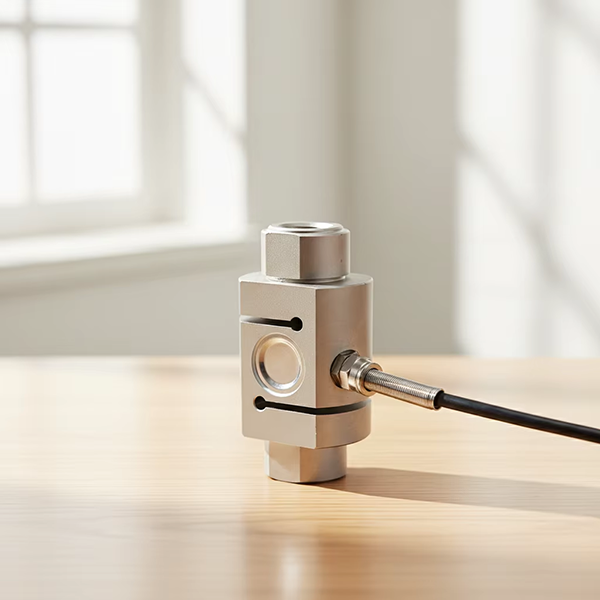
اگر در صنایعی فعالیت میکنید که به اندازهگیری دقیق وزن وابستهاند، احتمالاً متوجه شدهاید که سلولهای بار این دستگاهها بیش از آنکه صرفاً ابزاری باشند، به ستون فقرات عملیات مدرن تبدیل شدهاند. و در آمریکای شمالی، آیندهٔ آنها بهویژه روشن به نظر میرسد.
اول از همه، اتوماسیون در حال پیشبرد این تحول است. کارخانههای سراسر ایالات متحده، کانادا و مکزیک در تلاشاند تا خطوط تولید خود را ارتقا دهند و سلولهای بار (Load Cells) برای همهٔ موارد — از بازرسی کیفیت مونتاژ رباتیک تا جابهجایی خودکار مواد — حیاتی هستند. بخش مراقبتهای بهداشتی نیز بازیگر بزرگ دیگری است: با افزایش سن جمعیت، تقاضا برای مقیاسهای دقیق نظارت بر بیماران و تجهیزات تشخیصی بهسرعت در حال رشد است و هر یک از این ابزارها به فناوری قابلاطمینان سلولهای بار وابستهاند.
سپس زیرساختها را داریم. دولتها در حال سرمایهگذاری گسترده برای ارتقای جادهها، پلها و سیستمهای ریلی هستند. سلولهای بار اینها در اینجا نیز ضروری هستند و در نظارت بر بار محوری به کار میروند تا از آسیبدیدن زیرساختها توسط کامیونهای سنگین جلوگیری شود و امنیت حملونقل ریلی کالا تضمین گردد. حتی صنعت نفت و گاز که از مدتها پیش از سلولهای بار استفاده میکند، نیز با بهکارگیری این سلولها در جهت ارتقای کارایی و ایمنی عملیات حفاری، در حال نوآوری است.
هرچند رقابت، بهویژه با فناوریهای پیشرفته واردشده از آسیا، در حال تشدید شدن است، تولیدکنندگان چینی بیش از پیش بر نوآوری تمرکز دارند. سلولهای بار بیسیم که قابلیت انتقال دادهها را بهصورت بلادرنگ دارند، رواج فزایندهای یافتهاند و شرکتها روی تولید مدلهای با دوامتر و با دقت بالاتری تمرکز دارند که بهطور خاص برای نیازهای صنایع محلی طراحی شدهاند.

در مجموع، بازار آمریکای شمالی سلول بار نهتنها در حال رشد است—بلکه در حال تحول است. با ادامه اولویتدهی صنایع به کارایی، ایمنی و تصمیمگیریهای مبتنی بر داده، سلولهای بار ادامه خواهند داد در اثبات ضروریبودن خود. برای کسبوکارهای فعال در این حوزه، چند سال آینده فرصتهای فراوانی برای نوآوری و رشد همزمان با بازار فراهم خواهد کرد.