 EN
EN

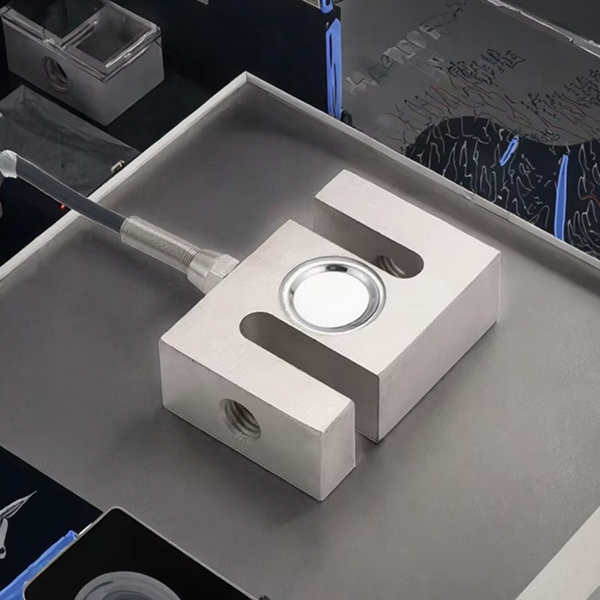
A medida que avanzamos hacia 2026, la cÉLULA DE CARGA industria está vibrando con innovación y cambios en la demanda. Por mi experiencia en automatización industrial, he visto de primera mano cómo estos pequeños transductores de fuerza—esos héroes anónimos que miden peso, tensión y compresión—están evolucionando más allá de las básculas tradicionales y los pisos de fábrica. Esto es lo que está moldeando su futuro.
1. La Industria 4.0 toma el centro del escenario
La apuesta por fábricas más inteligentes no está desacelerándose. Las celdas de carga ahora se integran con IoT y conectividad inalámbrica, permitiendo flujos de datos en tiempo real para mantenimiento predictivo y mejoras de eficiencia. Imagine una línea de fabricación donde las celdas de carga se comunican directamente con sistemas en la nube, alertando a los técnicos sobre posibles fallos antes de que ocurran. Esto no es ciencia ficción; ya está sucediendo en sectores como el automotriz y el aeroespacial, donde la precisión es imprescindible. ¿El reto? Las complejidades de calibración aún dificultan a muchos usuarios, pero el beneficio en la reducción de tiempos de inactividad vale la pena.
2. Miniaturización cumple necesidades de alta precisión
Más pequeño no significa menos potente. Los esfuerzos de I+D están enfocados intensamente en reducir el tamaño celdas de carga sin sacrificar precisión. Tomemos, por ejemplo, los dispositivos médicos: las celdas de carga de compresión compactas están revolucionando las herramientas desechables y los monitores de salud portátiles, ofreciendo retroalimentación fiable de fuerza en espacios donde el tamaño es crucial. Esta tendencia no se trata solo de comodidad, sino de posibilitar nuevas aplicaciones, como sensores integrados en equipos de ejercicio o herramientas diagnósticas portátiles. La carrera está en marcha para hacer estas versiones miniaturizadas asequibles sin comprometer la durabilidad.
3. La atención sanitaria surge como un impulsor del crecimiento
Más allá de las fábricas, las celdas de carga están desempeñando un papel fundamental en el sector sanitario. Piense en equipos médicos modernos: elevadores de pacientes, robots quirúrgicos o incluso camas hospitalarias inteligentes, donde mediciones precisas de peso garantizan la seguridad y eficacia. La pandemia puso de manifiesto la necesidad de soluciones de monitorización confiables, y este impulso continúa hacia 2026. La tecnología wearable que incorpora celdas de carga podría pronto rastrear la movilidad del paciente o el progreso en rehabilitación, integrándose perfectamente en las tendencias de biomonitorización orientadas a mejorar la salud de la mujer y el manejo de enfermedades crónicas. La intersección entre tecnología y atención está generando una nueva demanda.
4. Las cadenas de suministro globales se adaptan ante la incertidumbre
Las tensiones geopolíticas y los cambios económicos están redefiniendo cómo llegan las celdas de carga a los mercados. Los centros industriales de China, como Shenzhen y Ningbo, siguen siendo fundamentales debido a sus ecosistemas integrados, que ofrecen desde materias primas hasta laboratorios de calibración bajo un mismo techo. Para los compradores, esto significa tiempos de entrega más cortos y producción escalable, pero también resalta la importancia de la resistencia del proveedor. Diversificar las fuentes no es solo una estrategia; es una necesidad para evitar interrupciones en sectores que dependen de entregas puntuales.
5. Sostenibilidad y eficiencia económica entran en conflicto
A medida que las industrias adoptan prácticas sostenibles, los diseños de celdas de carga están evolucionando para ser más eficientes energéticamente y duraderos. Los materiales reciclables y los sensores de bajo consumo están ganando terreno, alineándose con objetivos ambientales más amplios. Mientras tanto, las presiones de costos persisten, especialmente en regiones que enfrentan desaceleraciones económicas. ¿El punto óptimo? Celdas de carga de alto rendimiento que ofrecen precisión sin encarecer el producto. Las empresas que inviertan en I+D para soluciones duraderas y asequibles probablemente liderarán el mercado.
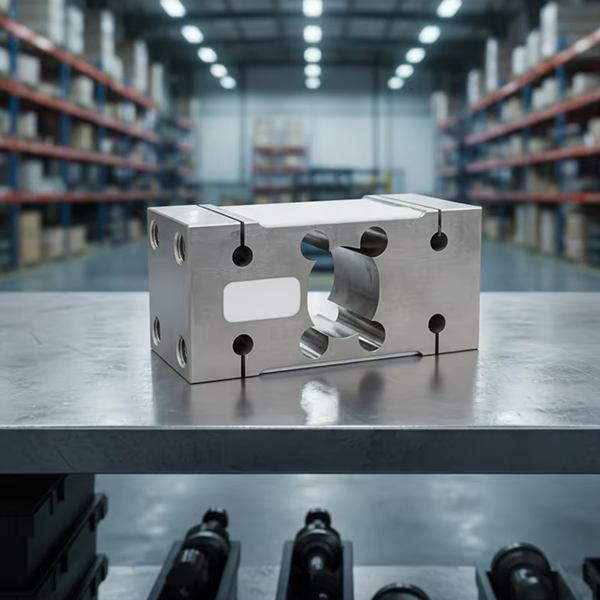
Mirando hacia el futuro
La cÉLULA DE CARGA el mercado en 2026 no se trata solo de medir peso, sino de medir progreso. Desde fábricas inteligentes hasta hospitales, estos dispositivos se están convirtiendo en impulsores invisibles de la innovación. Para profesionales de compras o ingeniería, estar a la vanguardia significa adoptar la integración digital, priorizar la miniaturización y navegar con agilidad las complejidades de la cadena de suministro. El futuro no consiste solo en lo que pesan las celdas de carga, sino en cómo influyen en nuestra trayectoria tecnológica.