 EN
EN


With 2026 on the horizon, advancements in precision measurement technology are reshaping industrial workflows. Draw wire displacement sensors are emerging as key players, quietly enhancing how linear motion is monitored in everything from heavy equipment to smart automation environments. For manufacturers, robotics engineers, and IoT developers, these sensors are worth watching closely—their evolution is pivotal to unlocking the potential of real-time data collection and automation.
1. Industry 4.0 Integration: Smarter, More Connected Systems
The rise of Industry 4.0 isn’t just about automation; it’s about intelligent systems that communicate seamlessly. Draw wire sensors are no longer standalone devices. In 2026, expect to see deeper integration with IoT platforms, where they’ll feed real-time displacement data into cloud-based analytics dashboards. Imagine a factory floor where every machine’s movement is monitored continuously, predicting maintenance needs before breakdowns occur. This shift isn’t just theoretical—early adopters are already reporting up to 30% reductions in downtime by leveraging predictive insights from these sensors.
2. Material Science: Durability Meets Precision
Harsh environments—think chemical plants or outdoor construction sites—demand sensors that won’t falter under pressure. Traditional plastic-based sensors are being phased out in favor of corrosion-resistant metal bodies, which offer unparalleled longevity in extreme conditions. 2026 will also witness breakthroughs in composite materials, balancing lightweight design with ruggedness. For engineers, this means fewer replacements and more consistent accuracy over years of use.
3. Performance Parameters: Pushing Boundaries
The race for longer measurement ranges and finer accuracy is heating up. While standard sensors today cap out around 5,000mm, prototypes in labs are now exceeding 35,000mm—ideal for large-scale applications like dam monitoring or wind turbine blade tracking. Meanwhile, accuracy levels are tightening to ±0.05% of full scale, ensuring microscopic movements are detected flawlessly. For industries where even a millimeter’s error can cascade into costly defects, this precision is a game-changer.
4. Communication Protocols: Flexibility is Key
Gone are the days of one-size-fits-all interfaces. Modern draw wire sensors are embracing multi-protocol communication, supporting both analog outputs for legacy systems and digital interfaces like RS485 for smart grids. This flexibility allows seamless integration into hybrid environments, whether you’re retrofitting old machinery or designing a cutting-edge robotic arm. In 2026, expect even more options, including wireless capabilities for truly mobile setups.
5. Cross-Industry Applications: Beyond Manufacturing
While factories remain the primary battleground, these sensors are infiltrating unexpected sectors. In healthcare, they’re enabling smoother motion control in robotic prosthetics. In agriculture, they’re optimizing irrigation systems by measuring soil displacement. The common thread? The need for reliable, adaptable linear measurement—something draw wire sensors deliver with aplomb.
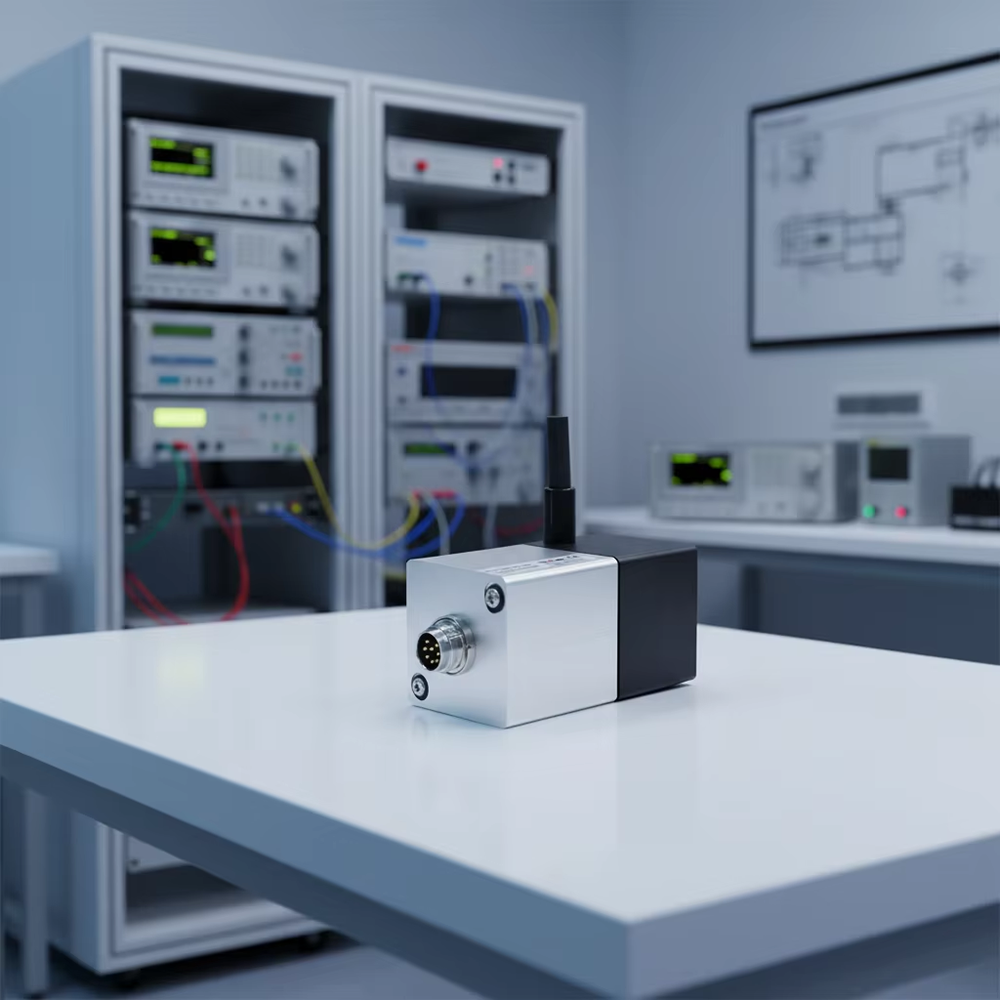
2026 and Beyond: A Sensor-Centric Future
The trends point to a clear trajectory: draw wire displacement sensors are evolving from mere tools into strategic assets. They’re becoming the eyes and ears of smart infrastructure, feeding data into AI-driven decision-making. For businesses, this isn’t just about upgrading equipment—it’s about future-proofing operations in an era where real-time insights dictate competitiveness.
So, what’s the takeaway? If you’re involved in industrial innovation, keep an eye on these sensors. They’re not just keeping pace with Industry 4.0—they’re helping define it.