 EN
EN


Hey there, fellow tech enthusiasts! Ever wondered how massive industrial scales or cranes manage to weigh colossal loads with pinpoint accuracy? Well, let me introduce you to the unsung hero behind these marvels—the spoke type load cell. This little powerhouse plays a pivotal role in converting mechanical force into electrical signals, ensuring precision in weighing systems. Stick around as I break down what makes spoke type load cells indispensable in industries like manufacturing, logistics, and even aerospace.
The Anatomy of a Spoke Type Load Cell
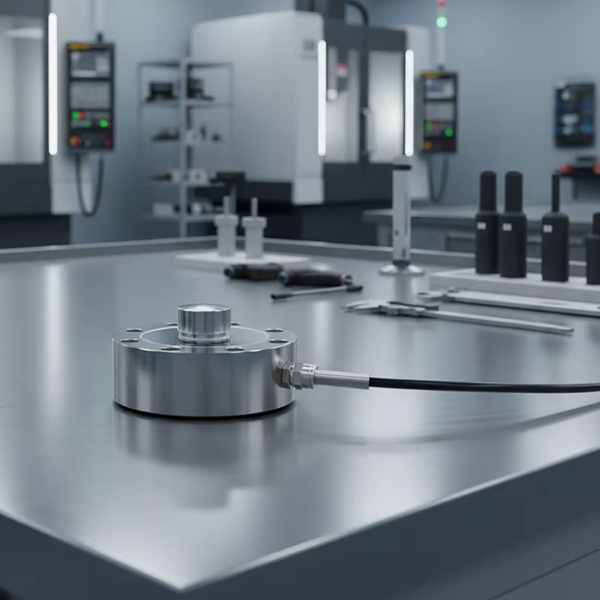
At its core, a spoke type load cell is a transducer designed to measure force or weight by converting mechanical deformation into an electrical signal. Picture this: it’s like a miniaturized bridge where force applied to the central hub causes tiny spokes to flex ever so slightly. These spokes, usually made from high-grade steel or aluminum, are strategically placed to maximize sensitivity and durability. The magic happens when these deformations alter the resistance in embedded strain gauges—tiny sensors that detect changes in shape under stress. The result? A precise electrical output proportional to the applied force, ready to be interpreted by a control system.
What sets spoke type load cells apart is their space-saving design. Unlike bulkier alternatives, they fit snugly into existing machinery, often replacing standard pins or bolts without requiring major modifications. This makes them a favorite in environments where real estate is tight, like inside robotic arms or conveyor systems. Plus, their robust construction ensures they can handle hefty loads while maintaining accuracy over time—a critical factor in industries where downtime costs money.
Why Spoke Type Load Cells Shine in Industry
Now, let’s talk about why these load cells are industry darlings. First off, their versatility is unmatched. Whether it’s monitoring the weight of materials in a warehouse or ensuring a crane doesn’t exceed its capacity, spoke type load cells deliver reliable data under demanding conditions. Their ability to withstand vibrations, temperature fluctuations, and corrosive environments makes them ideal for outdoor or harsh industrial settings.
Take the example of a busy shipping dock. Here, spoke type load cells integrated into overhead cranes provide real-time feedback on container weights, preventing overloading and potential accidents. Or consider aerospace applications, where precision is non-negotiable—these load cells help verify aircraft components during testing phases. The benefits extend beyond safety; they enhance operational efficiency by enabling predictive maintenance. By continuously monitoring forces, they alert engineers to wear before failures occur, reducing unplanned stoppages.
Another standout feature is their cost-effectiveness. Compared to more complex load cell types, spoke variants offer a sweet spot of performance and affordability. Their simple yet effective design minimizes calibration needs and simplifies integration into existing systems. For startups or small-scale manufacturers, this means access to high-quality weighing solutions without breaking the bank.
Wrapping Up: The Future Weighs Bright
So, what’s the takeaway? Spoke type load cells are silent workhorses, blending innovation with practicality to keep industries humming. From ensuring safety in heavy lifting to streamlining production lines, their impact is profound. As technology advances, we can expect even smarter iterations—think IoT-enabled load cells that wirelessly transmit data for seamless analytics.
If you’re involved in engineering, logistics, or just love geeking out about how things work, appreciating these devices adds a layer of insight into the machinery that shapes our world. Next time you see a scale or crane in action, remember: there’s a spoke type load cell doing its invisible job, making precision look effortless. Stay curious, and keep exploring the tech that drives progress!